The Story
Why it exists.
The beginning
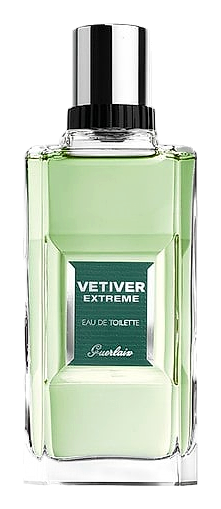
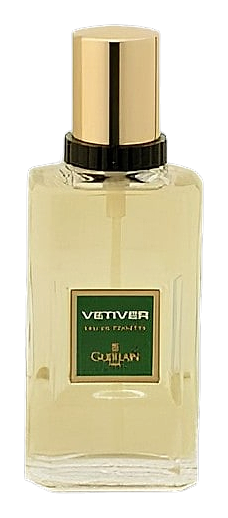
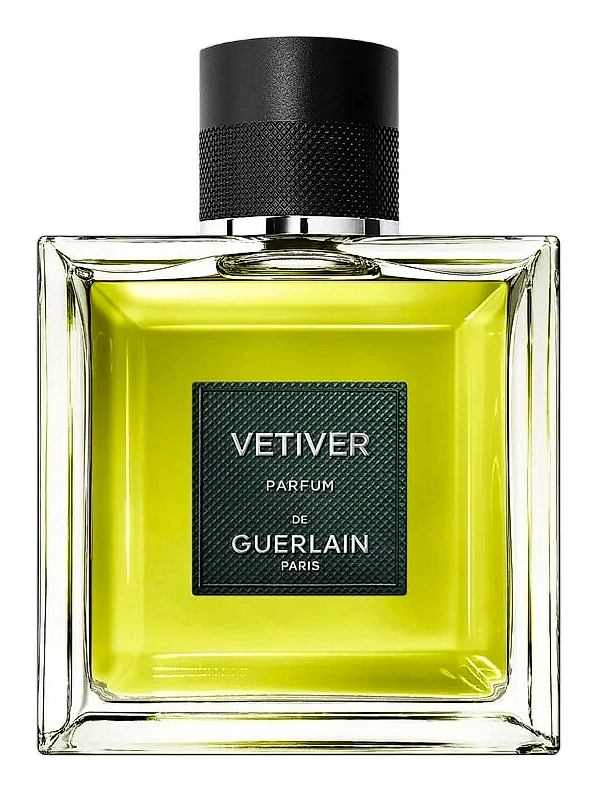
Jean-Paul Guerlain returned to vetiver in 2000, revisiting a composition that had long defined the house. The original had become a reference point, masculine, grounded, quietly confident. The reissue kept that spirit intact while sharpening the citrus opening and deepening the smoky base. Guerlain's approach was never about reinvention for its own sake. It was about precision. About knowing which notes deserved emphasis and which could be trusted to speak for themselves. The vetiver in this fragrance carries an earthy, smoky character that anchors the entire composition. It sits at the heart of the scent, supported by warm woods and creamy orris that keep the darker elements from overwhelming. What makes this creation remarkable is its restraint.
The use of vetiver in both heart and base is unusual. Most fragrances treat it as a single-layer material, top or bottom, rarely both. Here, Jean-Paul Guerlain lets it appear twice, first as a green, slightly bitter anchor in the heart, then as the smoky, almost tar-like root that defines the drydown. The result is a fragrance that doesn't just open and close. It circles back. The leather and myrrh in the base don't compete with the vetiver. They amplify it, adding resinous weight to what might otherwise read as too austere. Pipe tobacco appears as a supporting note, not a statement, threading through the composition like a detail you notice only when someone points it out.
The evolution
The opening is a study in restraint. Bergamot, lemon, mandarin, neroli, bright, clean, almost brisk. A hint of coriander adds faint spice underneath, keeping the citrus from feeling too sharp. Thirty minutes in, the spices arrive. Nutmeg, black pepper, carnation. The citrus doesn't disappear. It gets absorbed into something warmer. By the second hour, the vetiver has taken over the heart, and the sandalwood and orris are adding a creaminess that keeps the whole thing from reading as harsh. The interplay between the earthy vetiver and the creamy woods creates a tension that feels intentional, as if the fragrance is finding its balance in real time. By the third hour, the composition has settled into its deepest register. The drydown is where this fragrance earns its reputation. Oakmoss, leather, myrrh, civet, tonka bean, amber.
Cultural impact
Vetiver by Guerlain has become the reference point for masculine vetiver fragrances. The 2000 reissue maintained the spirit of the original while updating the citrus opening. It's worn by men who appreciate structure, restraint, and the kind of confidence that doesn't need to announce itself. The fragrance speaks through its composition rather than its volume. Its smoky, earthy vetiver heart sets a standard that other fragrances in this category are measured against. The balance between brightness and darkness, between citrus freshness and deep woods, creates something that feels both timeless and refined.
The House
GuerlainGuerlain stands as one of the oldest and most revered perfume houses in the world, founded in Paris in 1828 by Pierre-François-Pascal Guerlain. What began as a boutique on rue de Rivoli quickly became the preferred destination for Parisian society, attracting dandies and elegant women who sought custom-crafted fragrances. The house's influence grew to such heights that Guerlain earned the title of Official Perfumer to Napoleon III after presenting Eau de Cologne Impériale to Empress Eugénie as a wedding gift in 1853. This royal patronage marked the beginning of Guerlain's enduring association with European aristocracy, as the house went on to create fragrances for Queen Victoria and Queen Isabella II of Spain. Today, under the creative direction of Thierry Wasser, the fifth-generation perfumer, Guerlain continues to shape the landscape of fine fragrance with a portfolio spanning over 1,100 olfactory creations. The house remains headquartered at its legendary Champs-Élysées mansion, a historic monument that anchors Guerlain's position at the intersection of heritage and contemporary luxury.
The Creator
Jean-Paul GuerlainJean-Paul Guerlain's style resists easy categorization, though richness and depth define nearly every composition. He favored opulent oriental structures, warm woods and resins, and florals treated with almost sculptural precision.