The Story
Why it exists.
The beginning
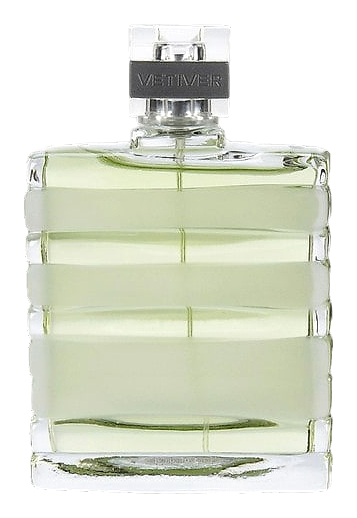
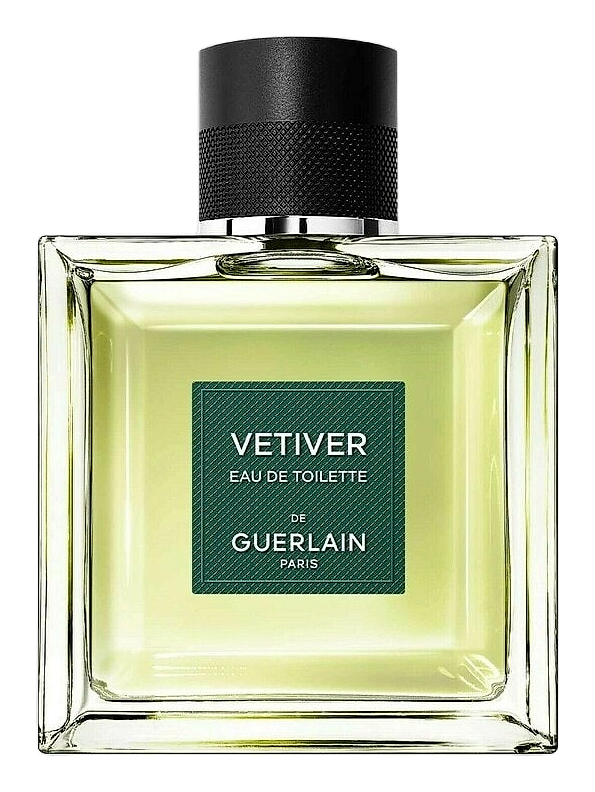
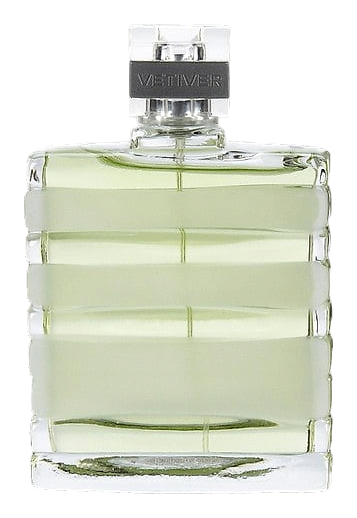
Jean-Paul Guerlain created this fragrance as a fresh reinterpretation of the house's 1961 Vetiver. The original had become something of a legend, a smoky, earthy, uncompromising masculine scent. The 'Eau Glacee' designation signals a shift in tone and temperature. Where the original carried weight and depth, this version arrives with clarity and presence, maintaining the vetiver heritage while expressing it through a cooler, more luminous lens. The cool feeling isn't minty or aquatic. It's the sensation of stepping into cold air after heat. For the first several minutes, it's all about the citrus assault. Then, as the initial burst settles, the neroli and pepper arrive. The pepper adds warmth. The neroli adds a floral lift that feels orange blossom-adjacent but sharper.
What makes this composition work is the way it handles vetiver itself. The note isn't hidden or softened, it's channeled through a different register. The citrus top notes (lime, orange, bergamot) arrive first and stay present long enough to reframe what vetiver can be when Guerlain's house style applies a cool filter. Neroli and black pepper in the heart add aromatic warmth that prevents the fragrance from reading as cold or clinical. Tonka bean in the base is the quiet anchor, providing the sweetness that keeps vetiver's earthiness from ever becoming harsh.
The evolution
The opening is the show. Lime, bergamot, orange, all at once, bright and almost startling. The cool feeling isn't minty or aquatic. It's the sensation of stepping into cold air after heat. For the first several minutes, it's all about the citrus assault. Then, as the initial burst settles, the neroli and pepper arrive. The pepper adds warmth. The neroli adds a floral lift that feels orange blossom-adjacent but sharper. The hand-off is smooth, citrus doesn't disappear so much as it becomes part of the conversation. By hour two, vetiver has fully established itself. Earthy, smoky, mineral. The tonka bean is there too, softening the vetiver's edges, adding a subtle sweet cream that stops the drydown from reading as harsh or green. The final hours are intimate. Vetiver and tonka, inseparable. Close to the skin.
Cultural impact
Vetiver Eau Glacee occupies a distinctive position within the Guerlain men's lineup, offering the house's characteristic quality and refinement in a lighter, more dynamic register. The fragrance demonstrates how a house can reinterpret its own signature materials, finding fresh expression for familiar components. Where the 1961 Vetiver established a benchmark for smoky intensity, this version carves out its own territory through brightness and clarity. The fragrance remains notable for demonstrating how a house can reinterpret its own materials without erasing them.
The House
GuerlainGuerlain stands as one of the oldest and most revered perfume houses in the world, founded in Paris in 1828 by Pierre-François-Pascal Guerlain. What began as a boutique on rue de Rivoli quickly became the preferred destination for Parisian society, attracting dandies and elegant women who sought custom-crafted fragrances. The house's influence grew to such heights that Guerlain earned the title of Official Perfumer to Napoleon III after presenting Eau de Cologne Impériale to Empress Eugénie as a wedding gift in 1853. This royal patronage marked the beginning of Guerlain's enduring association with European aristocracy, as the house went on to create fragrances for Queen Victoria and Queen Isabella II of Spain. Today, under the creative direction of Thierry Wasser, the fifth-generation perfumer, Guerlain continues to shape the landscape of fine fragrance with a portfolio spanning over 1,100 olfactory creations. The house remains headquartered at its legendary Champs-Élysées mansion, a historic monument that anchors Guerlain's position at the intersection of heritage and contemporary luxury.
The Creator
Jean-Paul GuerlainJean-Paul Guerlain's style resists easy categorization, though richness and depth define nearly every composition. He favored opulent oriental structures, warm woods and resins, and florals treated with almost sculptural precision.