The Story
Why it exists.
The beginning
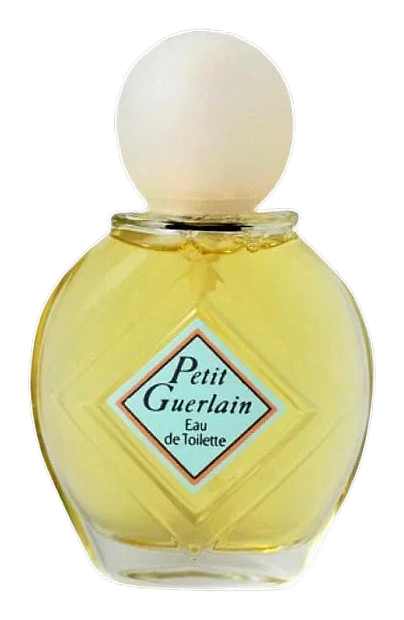
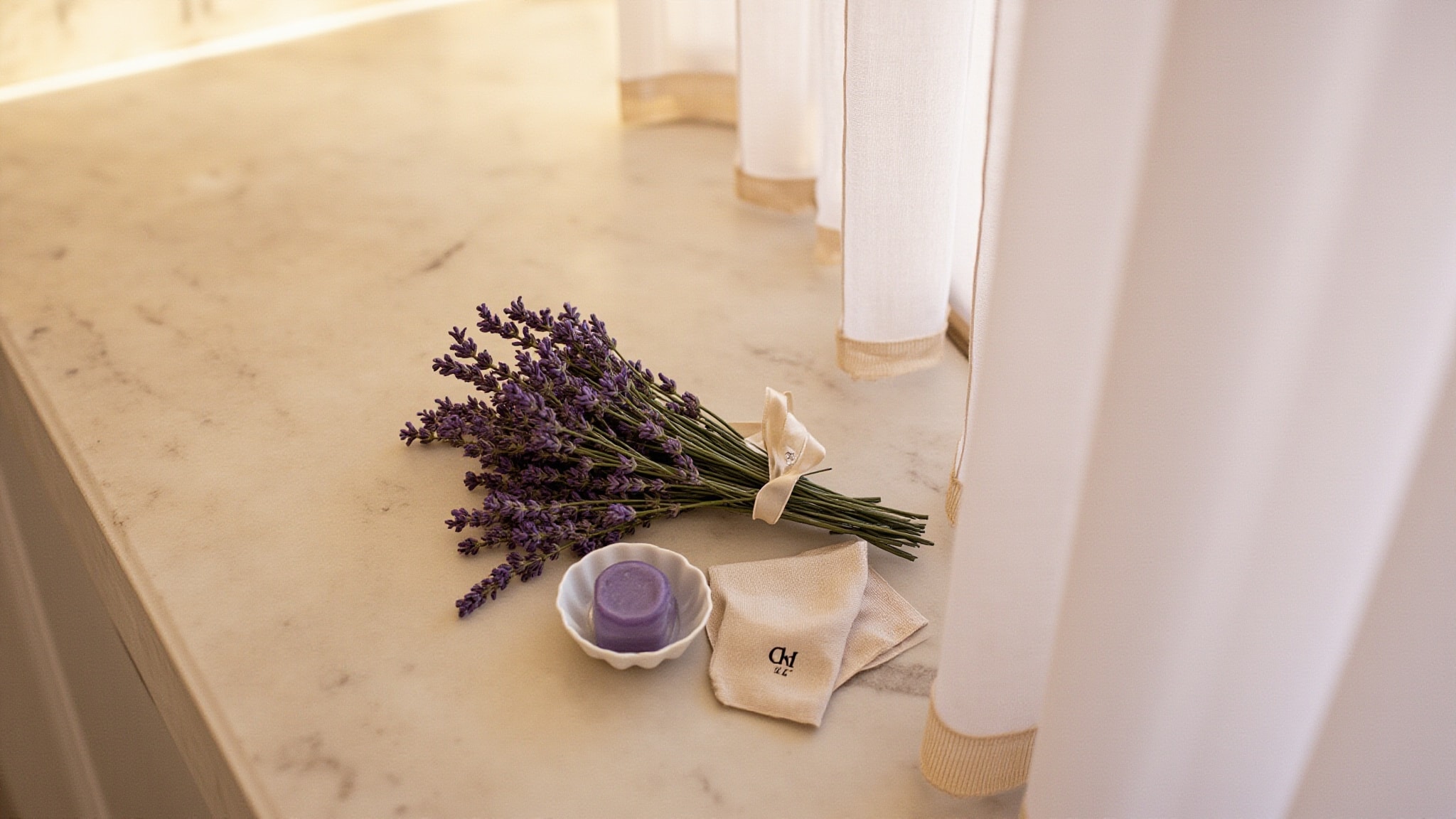
Petit Guerlain arrived in 1994 from the house of Guerlain, composed by Jean-Paul Guerlain, who built this composition around lavender and violet, two ingredients with deep roots in French perfumery. From the opening spray, the lavender speaks first, clean and slightly herbal, the way it smells when you crush a stem between your fingers. Violet follows close behind, lending a sweet softness that smooths the lavender's edges without burying them. Mimosa and mandarin arrive to soften the whole, giving the blend a sunlit warmth that keeps it from reading as sharp or austere. The result feels less like a perfume designed to announce itself and more like a gesture, compact and adaptable, the kind of composition that works as easily on a quiet morning as it does on a crowded evening.
What makes this composition worth knowing is its restraint. Lavender is one of perfumery's loudest materials, usually content to dominate whatever bottle it enters. Here it's tamed by violet and mimosa, which turn its herbal sharpness into something almost creamy. The citrus top, mandarin and orange, arrives not to brighten but to soften the entry, like warm water before soap. It's a floral-powdery structure that lets each note take a turn at the center without any of them shouting over the others.
The evolution
The first minutes are the brightest this fragrance ever gets. Mandarin sits on top like thin citrus peel dropped into warm tea, bright enough to register but never sharp or aggressive. Underneath, lavender pushes forward, clean and slightly herbal, the way it smells when you crush a stem between your fingers. Violet arrives within the first ten minutes, lending a sweet, almost candied softness that smooths the lavender's edges without burying them. Mimosa comes next, faint and honeyed, giving the heart a sunlit quality without ever pushing into actual sweetness. From the second hour onward, the composition settles into something quieter. The citrus fades entirely. What remains is a soft, soapy lavender-violet accord that reads almost like warm talc, the kind of scent you'd catch if someone wearing it walked past you in a narrow hallway. It doesn't project much past arm's length.
Cultural impact
Petit Guerlain sits in an unusual spot within the Guerlain line. It carries the Guerlain name and the Guerlain expectation, but it reads quieter than most of the house's more famous compositions. Wearers tend to describe it less as a statement and more as a preference, the kind of scent someone reaches for when they want to smell clean, composed, and a little French without having to think about it. The lavender gives it that just-showered feeling, the violet adds a soft sweetness, and the mimosa keeps everything from feeling too austere. It doesn't try to fill a room.
The House
GuerlainGuerlain stands as one of the oldest and most revered perfume houses in the world, founded in Paris in 1828 by Pierre-François-Pascal Guerlain. What began as a boutique on rue de Rivoli quickly became the preferred destination for Parisian society, attracting dandies and elegant women who sought custom-crafted fragrances. The house's influence grew to such heights that Guerlain earned the title of Official Perfumer to Napoleon III after presenting Eau de Cologne Impériale to Empress Eugénie as a wedding gift in 1853. This royal patronage marked the beginning of Guerlain's enduring association with European aristocracy, as the house went on to create fragrances for Queen Victoria and Queen Isabella II of Spain. Today, under the creative direction of Thierry Wasser, the fifth-generation perfumer, Guerlain continues to shape the landscape of fine fragrance with a portfolio spanning over 1,100 olfactory creations. The house remains headquartered at its legendary Champs-Élysées mansion, a historic monument that anchors Guerlain's position at the intersection of heritage and contemporary luxury.
The Creator
Jean-Paul GuerlainJean-Paul Guerlain's style resists easy categorization, though richness and depth define nearly every composition. He favored opulent oriental structures, warm woods and resins, and florals treated with almost sculptural precision.