
The Story
Why it exists.
The beginning
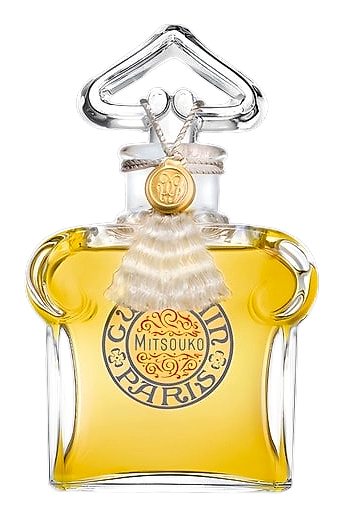
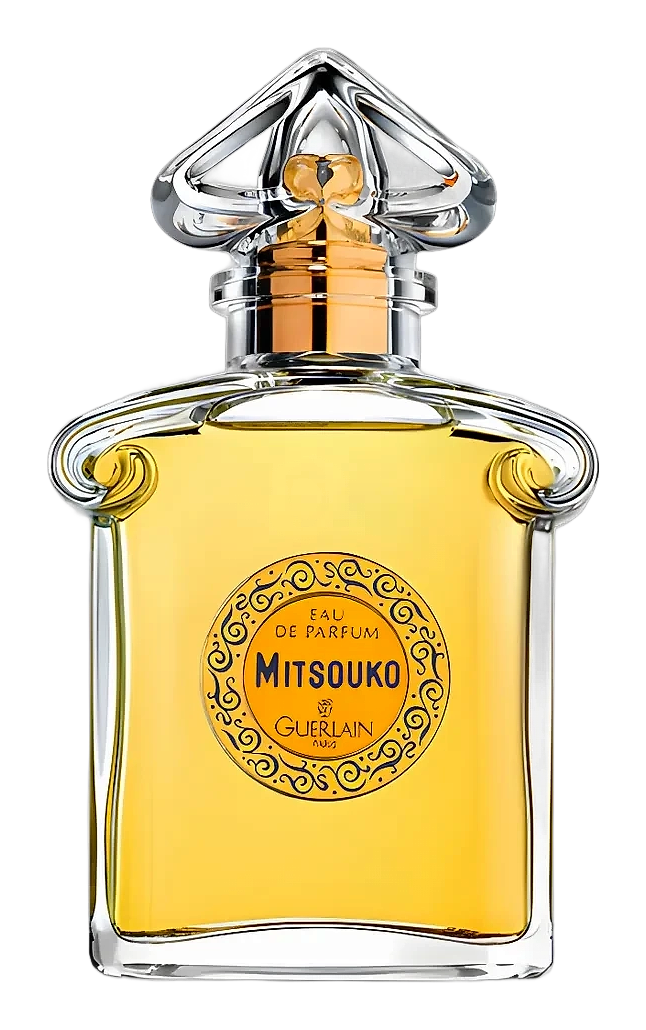
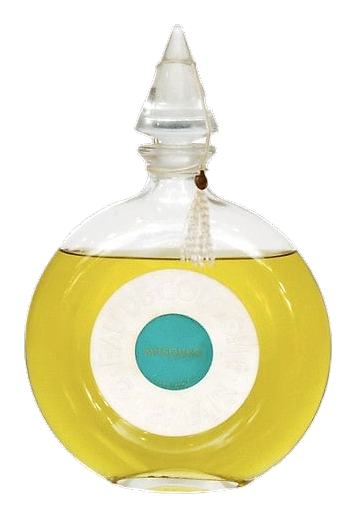
Mitsouko was born from a novel. Jacques Guerlain drew inspiration from Claude Farrère's 'La Bataille,' where Mitsouko, wife of Japanese Admiral Togo, waits through the 1905 Russo-Japanese War to learn which man will return to her. An impossible love, a woman hiding her feelings with dignity. That tension, restraint against longing, became the fragrance itself. Guerlain translated Farrère's heroine into scent in 1919, creating something that didn't announce itself. Something that made you wait.
What makes Mitsouko extraordinary is the pairing that shouldn't work: peach and oakmoss. Fruit next to earth. Warmth beside cool. In 1919, this was a radical move, the first fruity chypre in perfume history. The peach keeps the chypre from becoming severe. The oakmoss keeps the fruit from becoming sweet. Neither one wins. The tension holds. That's the achievement here: a fragrance that argues with itself and somehow comes out whole.
The evolution
The opening is long. Bergamot and rose arrive together, playing slow across the skin like a conversation that doesn't need you to contribute. Thirty minutes in, the peach emerges, not a burst, but a warmth that builds. The florals (jasmine, lilac, ylang-ylang) layer in, and for a while Mitsouko is something close to golden. Then the handoff: oakmoss and vetiver arrive, cool and grounding. The spices, cinnamon especially, add a quiet heat beneath. By hour three, the chypre structure is fully in control. The fruit is gone. What remains is moss, earth, and a warmth that stays close to the skin for hours more. On some skin, this lasts until the next morning.
Cultural impact
Mitsouko arrived in 1919 as the first fruity chypre fragrance, a structural innovation that reshaped what perfume could be. The peach-and-oakmoss pairing that Guerlain introduced here became a template other houses would follow for decades. Still discussed today as a landmark of the chypre genre.