The Story
Why it exists.
The beginning
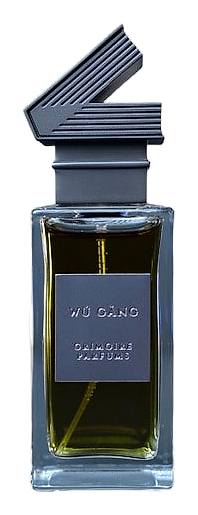
Wú Gāng draws its name from a figure in Chinese mythology, a woodcutter condemned to chop the cassia tree on the moon forever. Every swing brings it down. Every time, it heals. The punishment is the repetition itself. This fragrance translates that myth into scent, not literally, not didactically, but in spirit. The idea that something cut back keeps growing, that the cycle itself is the point, runs through every layer of the composition. The opening offers bright citrus and green notes that arrive like morning light: sharp, immediate, impossible to ignore. The heart blooms slowly, osmanthus and magnolia unfurling over jasmine and mate. By the time tobacco and birch tar arrive in the base, the fragrance has completed its circuit and arrived somewhere it couldn't have reached directly.
The opening citrus and green notes arrive like morning light: sharp, immediate, impossible to ignore. The heart blooms slowly, osmanthus and magnolia unfurling over jasmine and mate. By the time tobacco and birch tar arrive in the base, the fragrance has completed its circuit and arrived somewhere it couldn't have reached directly. The castoreum and asparagus in the drydown are unexpected, animalic without being aggressive, green without being raw. The structure of this fragrance moves through distinct phases, each building on what came before.
The evolution
The opening hits immediately: mandarin and apricot give brightness, but the raspberry leaf and Sichuan pepper introduce a green, slightly numbing quality that keeps things interesting. Cardamom and davana layer beneath, adding warmth that prevents the whole thing from reading as just citrus. The heart is where Wú Gāng earns its name. Osmanthus arrives first, a stone-fruit floral that smells like autumn and memory. Magnolia follows, creamy and slightly waxy. Mate adds a bitter greenness that keeps the sweetness honest. Jasmine and carnation deepen it further, and cinnamon adds a warmth that signals the transition before you consciously notice it. The base is where this fragrance lives longest. Tobacco comes in earthy and slightly sweet. Birch tar adds a smoky, medicinal quality, think old leather, cold ash. Cedar grounds everything.
Cultural impact
Wú Gāng enters a specific moment in independent perfumery: the ongoing recovery of animalic materials from their reputation as vulgar or dated. Castoreum, historically used in perfumery for centuries, has experienced a renaissance among collectors who appreciate its honesty, its willingness to smell human, to smell like skin rather than a laboratory. The fragrance sits alongside recent releases from independent houses that have embraced animalic bases not as shock value but as a counterargument to the industry's trend toward abstraction. Grimoire Parfums, with their mythological framing, gives this approach a narrative home.
The House
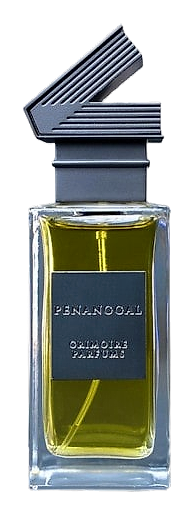
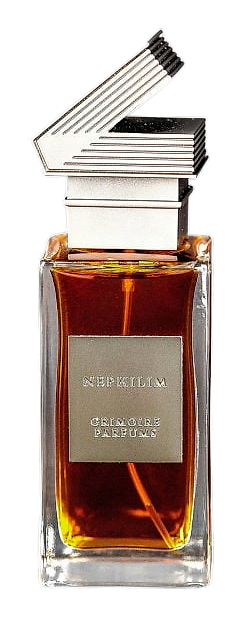
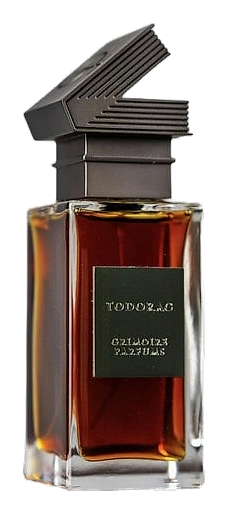
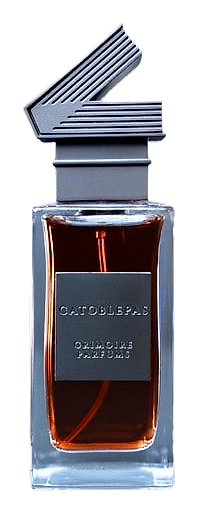
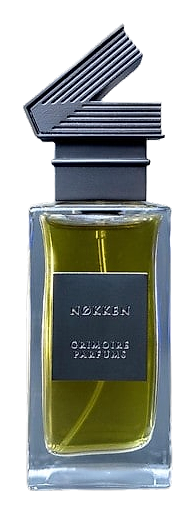
Grimoire ParfumsGrimoire Parfums is an independent Australian fragrance house founded by self-taught perfumer Trung Vu, who also goes by the name Troy. The brand takes its name from the French word for a spell book, reflecting its dedication to crafting scents inspired by folklore, mythology, and cultural narratives from around the world. Vu operates the house as both perfumer and creative director, bringing a collector's sensibility to fragrance creation. Each release draws from literary sources, historical figures, and mythological traditions, resulting in perfumes that function as olfactory storytelling. The house launched its initial collection in 2025, introducing five distinct fragrances named after creatures and figures from global folklore. All formulations maintain IFRA compliance, with materials sourced from the French supplier Robertet.
The Creator
Oleg GrabchukGrabchuk favors a laboratory‑like precision paired with an artist’s spontaneity. He starts with a clear accord, often built around aldehydes, lily of the valley or green grass, then adds depth through woods, musk or amber.