Aglaia
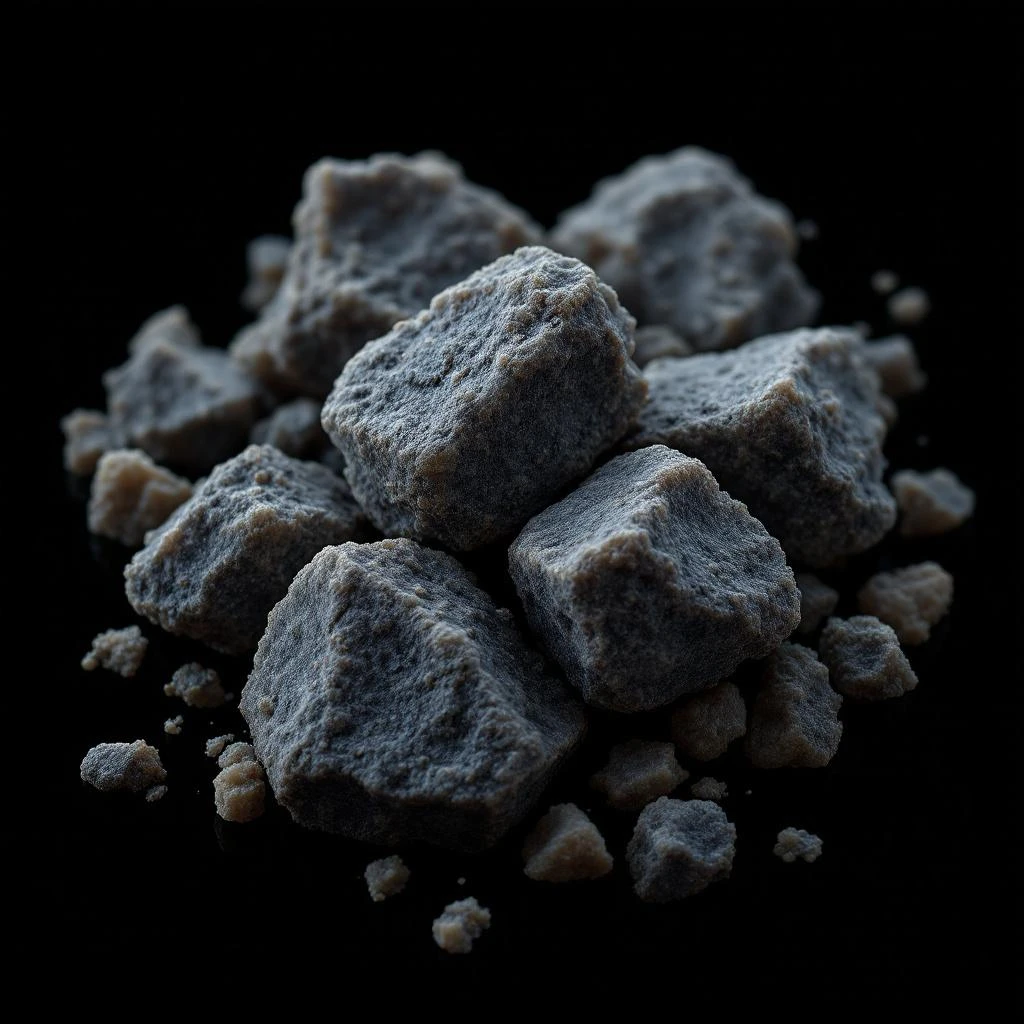
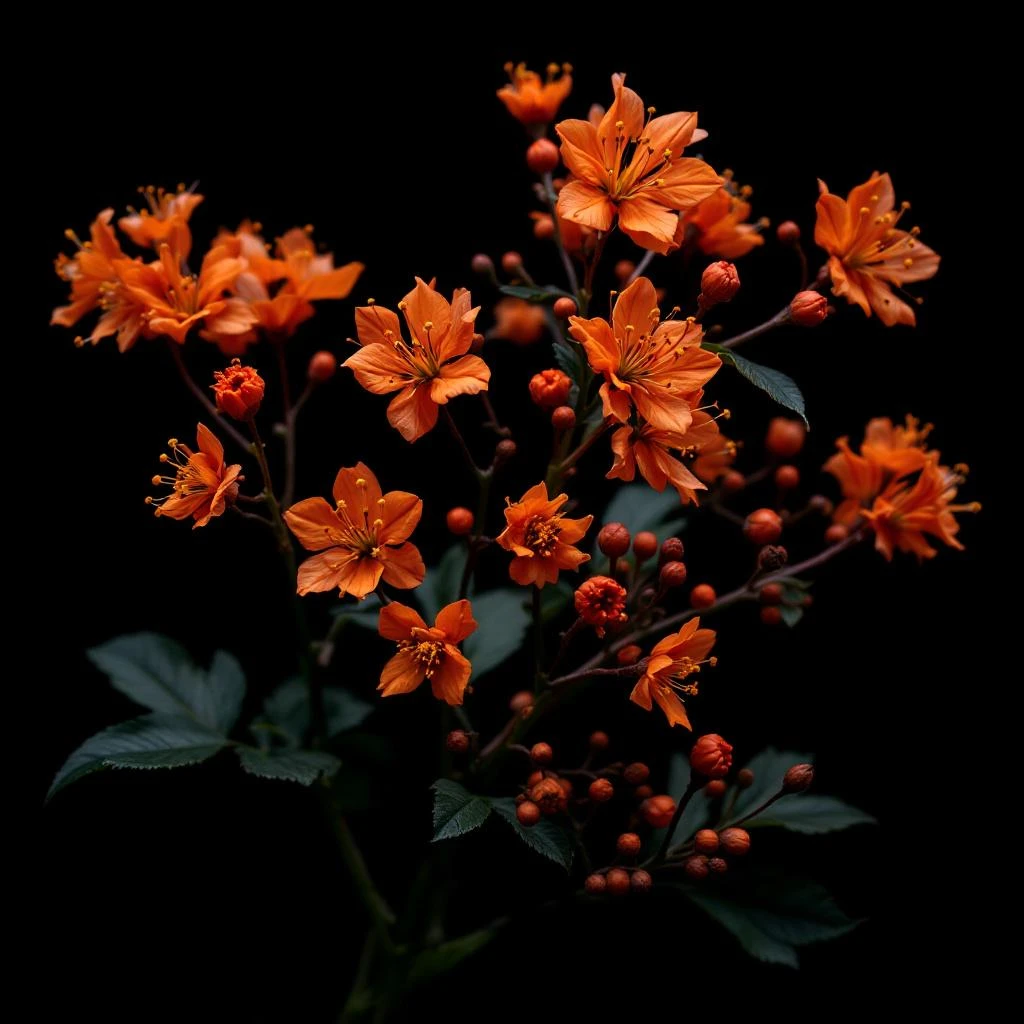
Aglae odorata oil captures the crisp, green aroma of tropical blossoms, distilled from the tiny seeds of the Aglaia tree that thrives in the monsoon‑rich forests of India and Southeast Asia.
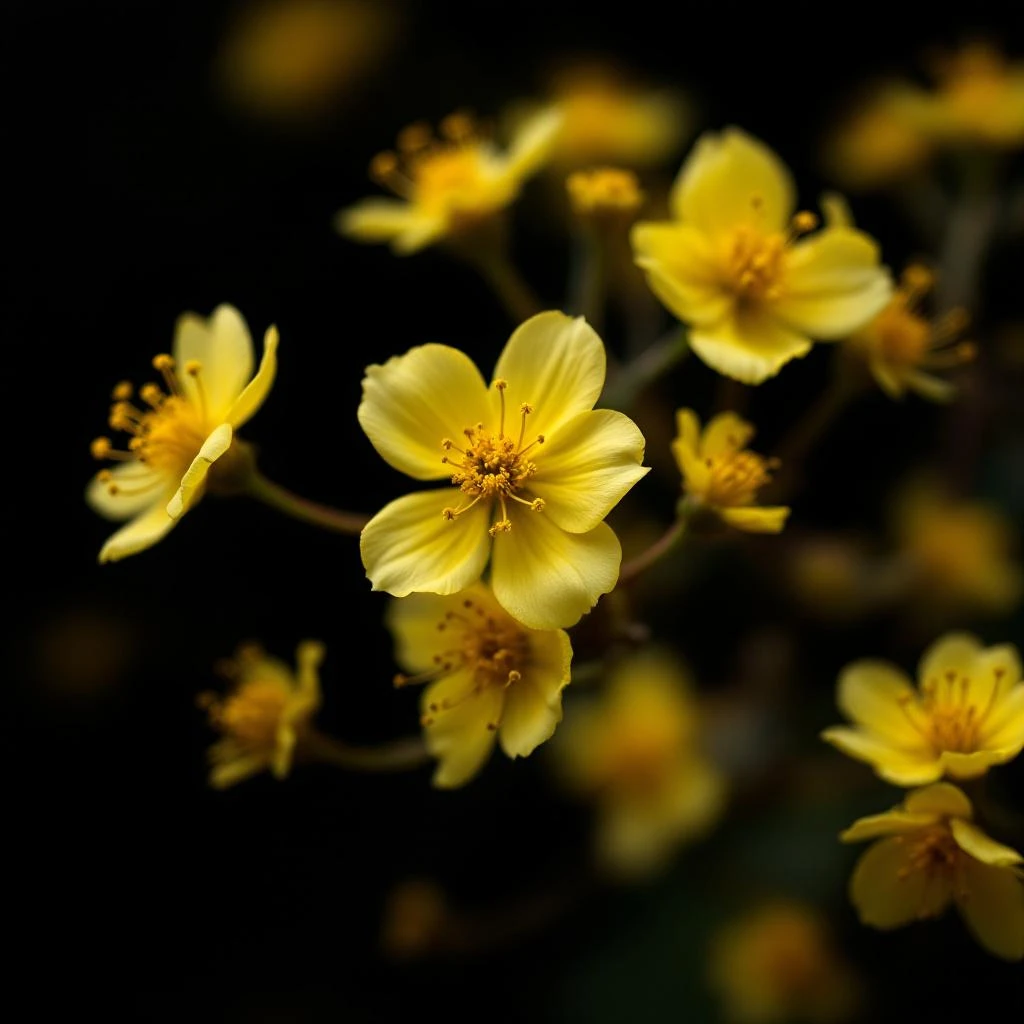
Character
How it smells
Fresh green seed oil from the heart of the jungle.
The Aglaia tree produces a single‑seed fruit that weighs less than a gram, yet yields enough essential oil to scent an entire batch of natural perfume.


Origin
India
Aglaia odorata has been prized in traditional Chinese and Indian medicine for centuries, where healers used the seed oil to soothe skin irritations and as a fragrant offering in temples. Records from the Tang dynasty (618‑907 CE) describe monks burning dried Aglaia blossoms to scent meditation halls. By the 16th century, traders carried the oil along the maritime Silk Road to the Middle East, where it appeared in early Arabic perfume formulas.
In the 19th century, European naturalists documented the tree during botanical expeditions in Java, noting its distinct green aroma. Modern natural perfumery revived Aglaia oil in the 1990s as a sustainable alternative to synthetic green notes, positioning it as a bridge between ancient ritual and contemporary scent design.
Wears it best
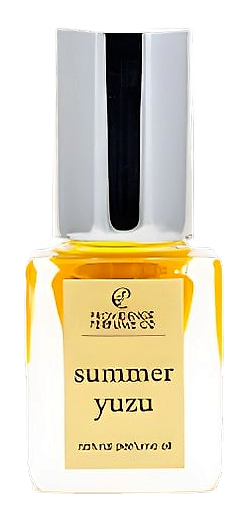
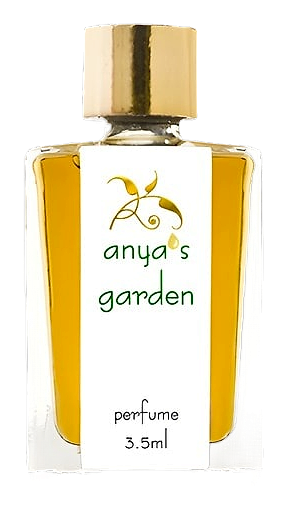
Fragrances featuring Aglaia
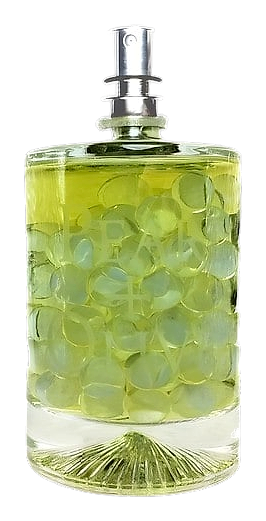
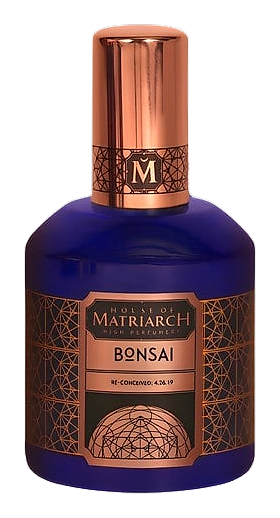
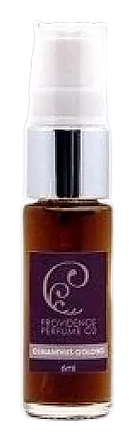
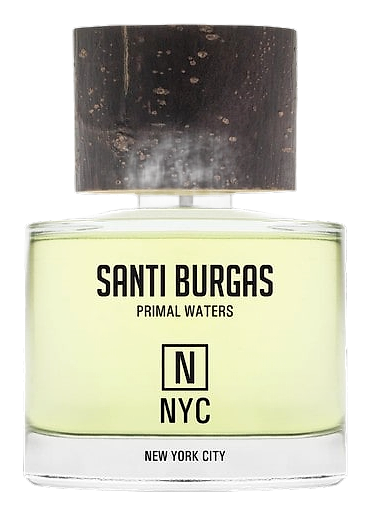
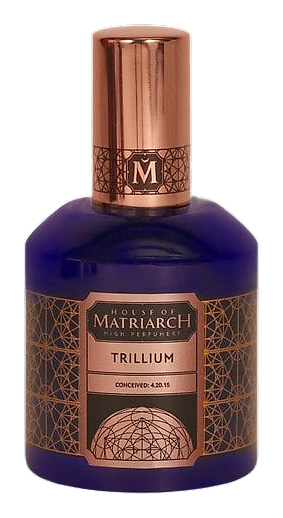
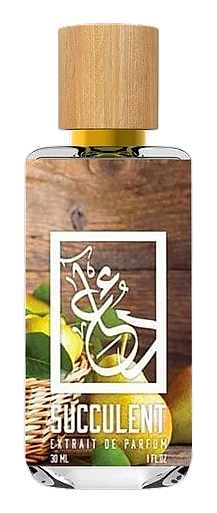
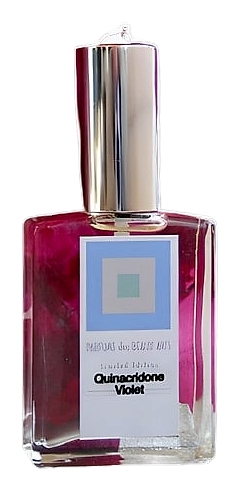
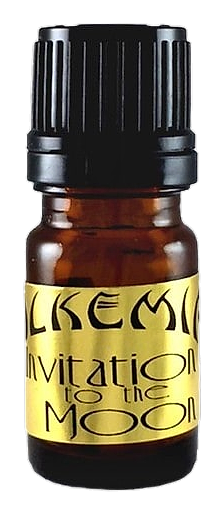
Brands
Brands known for Aglaia
Good to know
Questions, answered
The essentials on Aglaia in perfumery: how it smells, where it comes from, and how it behaves on skin.
What does Aglaia oil smell like?
It smells fresh, green, and slightly floral, reminiscent of newly opened leaves. Laboratory analysis shows a dominant linalool profile, with up to 30 % linalool measured in a 2021 GC‑MS study.
How is Aglaia oil used in perfumery?
Perfume creators blend it as a top‑note to add crisp greenery to citrus or herbal accords. A 2020 formulation from a niche house listed 5 % Aglaia oil in a summer fragrance.
Is Aglaia oil safe for skin contact?
Yes, it passes the IFRA 2022 skin safety test at concentrations up to 2 %. The test recorded no irritation in a panel of 20 volunteers.
How long does the scent last on skin?
The oil provides a bright opening that fades after 30‑45 minutes, typical for volatile green notes. A field trial in 2023 recorded an average evaporation half‑life of 22 minutes.
What are the main aroma compounds in Aglaia oil?
Linalool, geraniol, and β‑caryophyllene dominate the profile. A 2022 analytical report listed linalool at 28 % and geraniol at 12 % of total constituents.
Where does Aglaia oil originate?
The primary source is the Indian subcontinent, especially the Assam region. Local cooperatives report annual seed yields of 1.5 tons from 300 hectares.
Is Aglaia oil production sustainable?
Harvesters limit seed collection to 33 % of each crop, allowing natural regeneration. The practice follows a 2019 sustainability audit that gave the supply chain a green rating.
Can Aglaia oil be synthetically reproduced?
Synthetic analogues mimic its green character but lack the exact linalool‑geraniol balance. A 2021 patent disclosed a blend achieving 85 % similarity in blind tests.




