
The Story
Why it exists.
The beginning
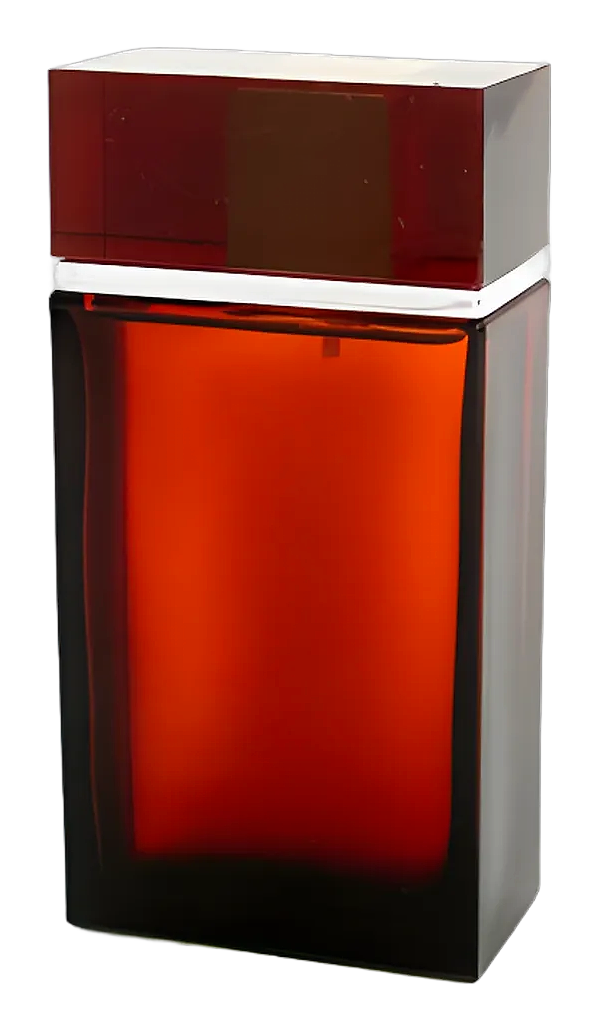
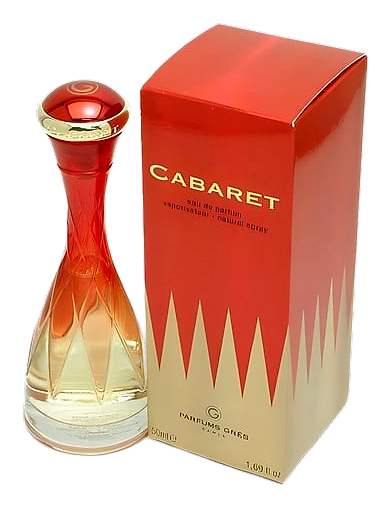
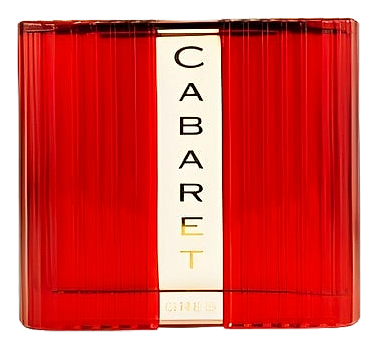
Cabaret Pour Homme arrived in 2004 from a house whose real legacy lives in couture, not fragrance, Grès, founded by Madame Alix Grès in the 1940s, known for sculptural jersey dresses and a rare understanding of form. The name Cabaret signals something theatrical, a stage, a performance. Pierre Bourdon was the architect behind this particular act, reaching back to the fougère template that had defined men's fragrance for a century. The result is a classic structure rendered with clean, modern precision, the kind of masculine fragrance that holds its own alongside contemporary releases while carrying the unmistakable weight of a timeless template.
What makes Cabaret Pour Homme interesting is the pineapple. Not in the tropical sense, Bourdon used it as a bright, almost effervescent counterweight to the herbal assault of rosemary, basil, and juniper at the top. The effect is that the opening feels simultaneously bright and complex, with the citrus and coriander lifting the composition while the herbal notes provide structure. The pineapple note brings a crisp, clean quality that defines the first act, setting the tone for what follows.
The evolution
Juniper and pineapple hit first, crisp, bright, almost effervescent. The herbal notes of rosemary, basil, and juniper provide a sharp, green counterpoint. Within moments the lavender takes over, establishing the fougère structure in full, soapy and cool, classic in execution. The floral heart, jasmine and lily of the valley, softens the herbs without losing their presence. As the fragrance develops, the oakmoss and vetiver arrive, turning the initial brightness into something dry and mineral. The sandalwood and amber provide warmth beneath the surface, while tonka and patchouli do quiet work as the scent settles. The base lingers close to the skin, revealing layers of woody depth that unfold gradually over time.
Cultural impact
Cabaret Pour Homme occupies an unusual position: it's a classic fougère structure built clean enough to feel relevant rather than dated. The soapy quality that defines it is central to its character, a defining charm that gives the fragrance its identity. The lavender-fougère template reads vintage on paper, but the execution feels contemporary, blending tradition with restraint in a way that distinguishes it from both heritage releases and modern creations.
The House
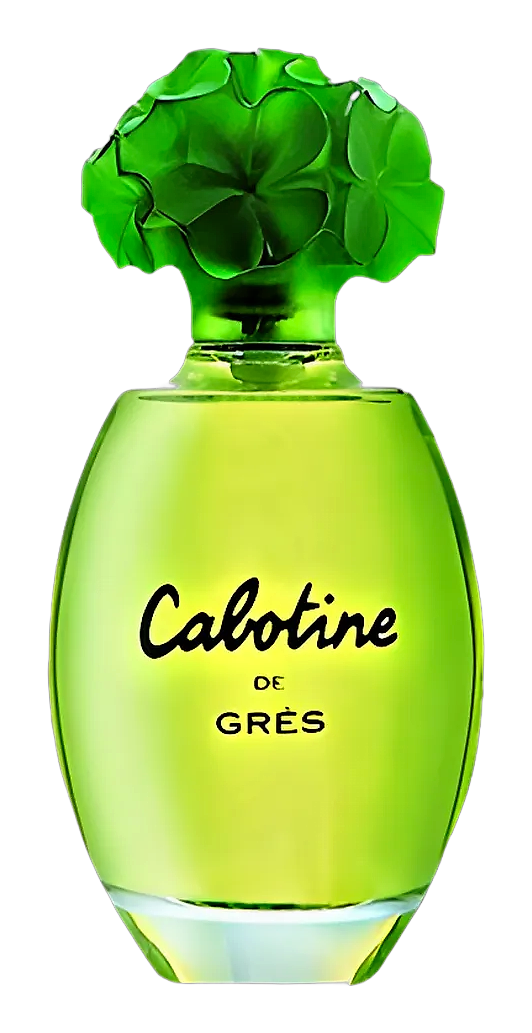
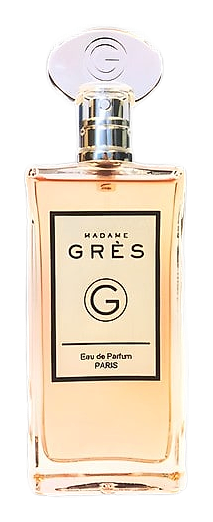
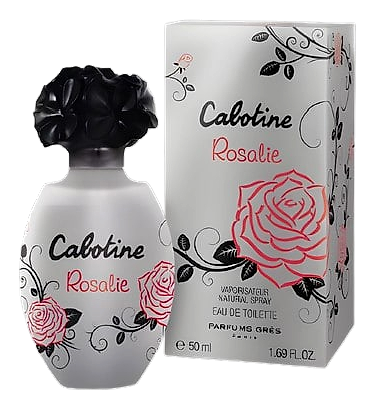
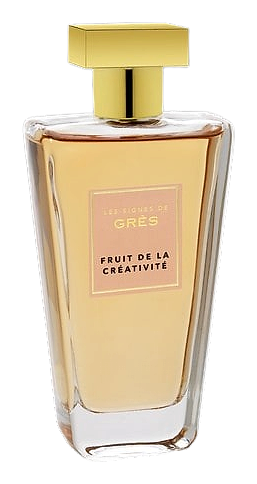
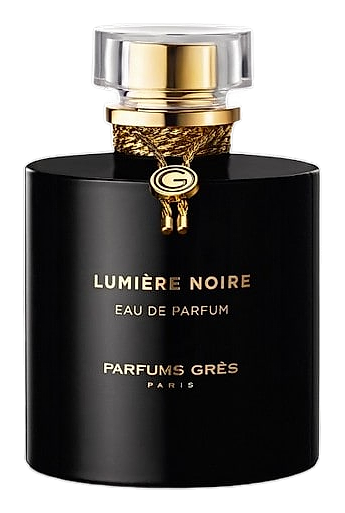
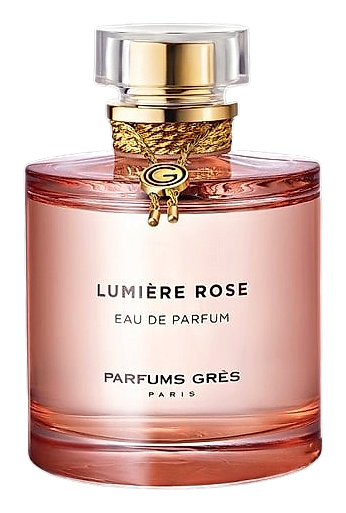
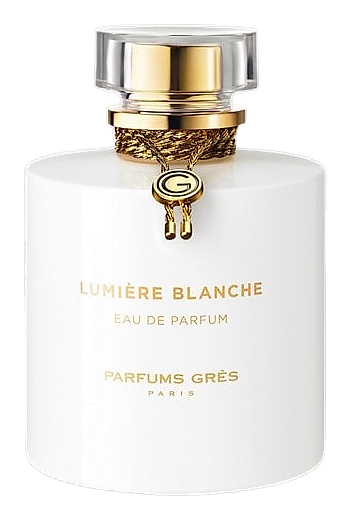
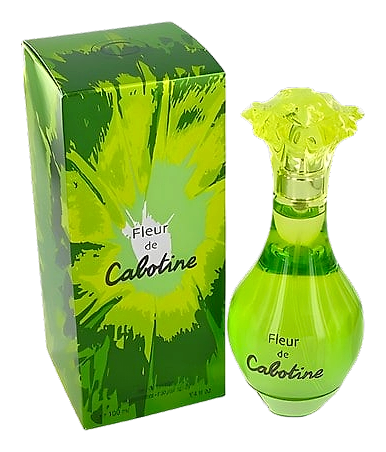
GrèsGrès is a French perfume house that grew out of the legendary couture atelier of Madame Grès. Founded in 1942 on Rue de la Paix, the brand translates the designer’s love of draped silhouettes into olfactory compositions that balance classic French ingredients with a restrained modernity. Over the decades the house has released more than a dozen fragrances, each bearing the same quiet confidence that defined the founder’s fashion legacy. Today Grès remains a niche label that appeals to collectors who value heritage, subtle elegance and a scent’s ability to tell a story without shouting.
The Creator
Pierre BourdonBourdon's signature lies in clarity and restraint. He favors transparency in composition, building fragrances that breathe rather than overwhelm.