The Story
Why it exists.
The beginning
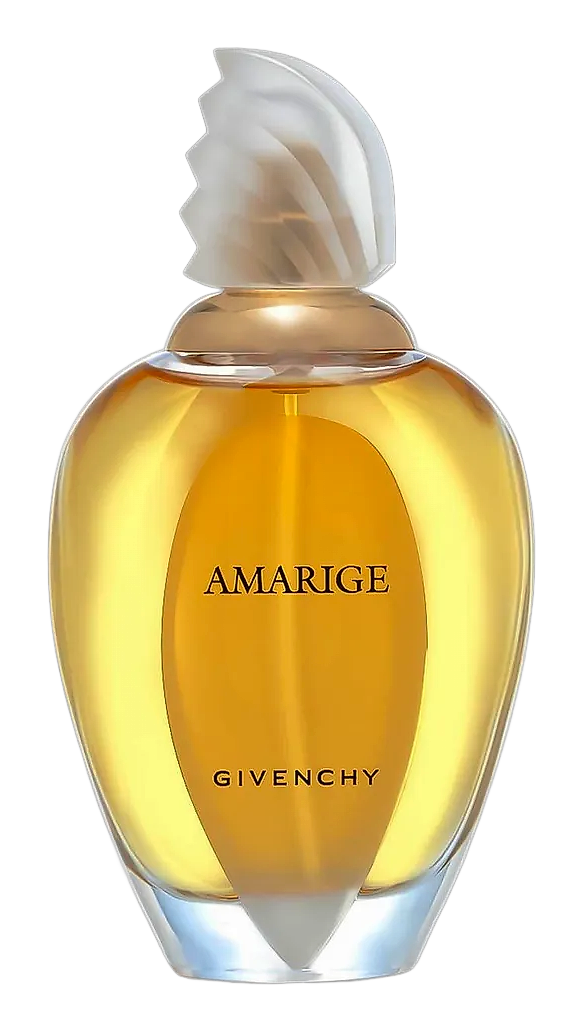
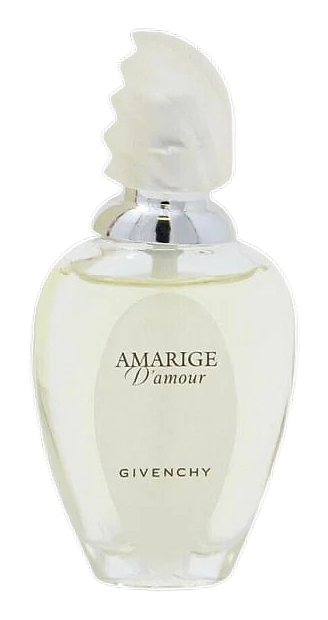
Amarige d'Amour arrived in 2002 from the house of Givenchy. The composition was developed by Bertrand Duchaufour and Emilie Bevierre-Coppermann, two perfumers who built the fragrance around a crisp, green opening and a softer floral core. Where many fragrances from the era leaned on heavy indolic jasmine or dense white-flower constructions, this one pulls toward transparency. The sweet pea note at the top gives it a watery, almost cucumber-cool lift, and the white mimosa in the heart reads as powdery and honey-soft rather than narcotic. There's a clear daylight sensibility in how the notes are weighted, with bright fruit at the opening and a creamy sandalwood base that never tips into sweetness overload.
Sweet pea and cassia lead the top notes, with white mimosa anchoring the heart. Sweet pea brings a green, almost watery floral lift that rose-jasmine builds can't replicate; it reads cool and slightly vegetal, like morning air through a garden gate. Cassia sits underneath, contributing a warm woody undertone that keeps the opening from reading too innocent or too green. White mimosa is the quieter star of the composition, giving a powdery, honey-tinged softness that makes the heart feel sunlit.
The evolution
The first ten minutes belong to the green and fruit. Blackcurrant opens with a tart, almost wine-like sweetness, quickly joined by cassia's woody warmth and the cool green of sweet pea. The combination gives the opening a fresh, lifted character that feels close to a chilled glass of something on a terrace. Within thirty minutes, the floral heart takes over: jasmine arrives with its familiar indolic edge, but the white mimosa is the real driver, giving everything a powdery, slightly nutty softness that smooths the jasmine's sharper angles. Rose hip adds a fruity edge that keeps the bouquet from collapsing into a single register. After two hours, sandalwood and ambergris emerge from underneath, and the base settles into its final shape.
Cultural impact
Amarige d'Amour occupies an interesting place within the broader Amarige collection, functioning as a lighter, more transparent companion to the original. Its green-fruity opening and softer floral heart give it a character that reads as distinctly its own rather than as a simple dilution. The fragrance has maintained a quiet presence in the years since its 2002 launch, and it tends to appeal to wearers who appreciate well-defined individual notes rather than blended abstraction. The sweet pea and white mimosa combination in particular has earned it recognition among collectors who value less common floral materials in commercial perfumery.