White Mimosa
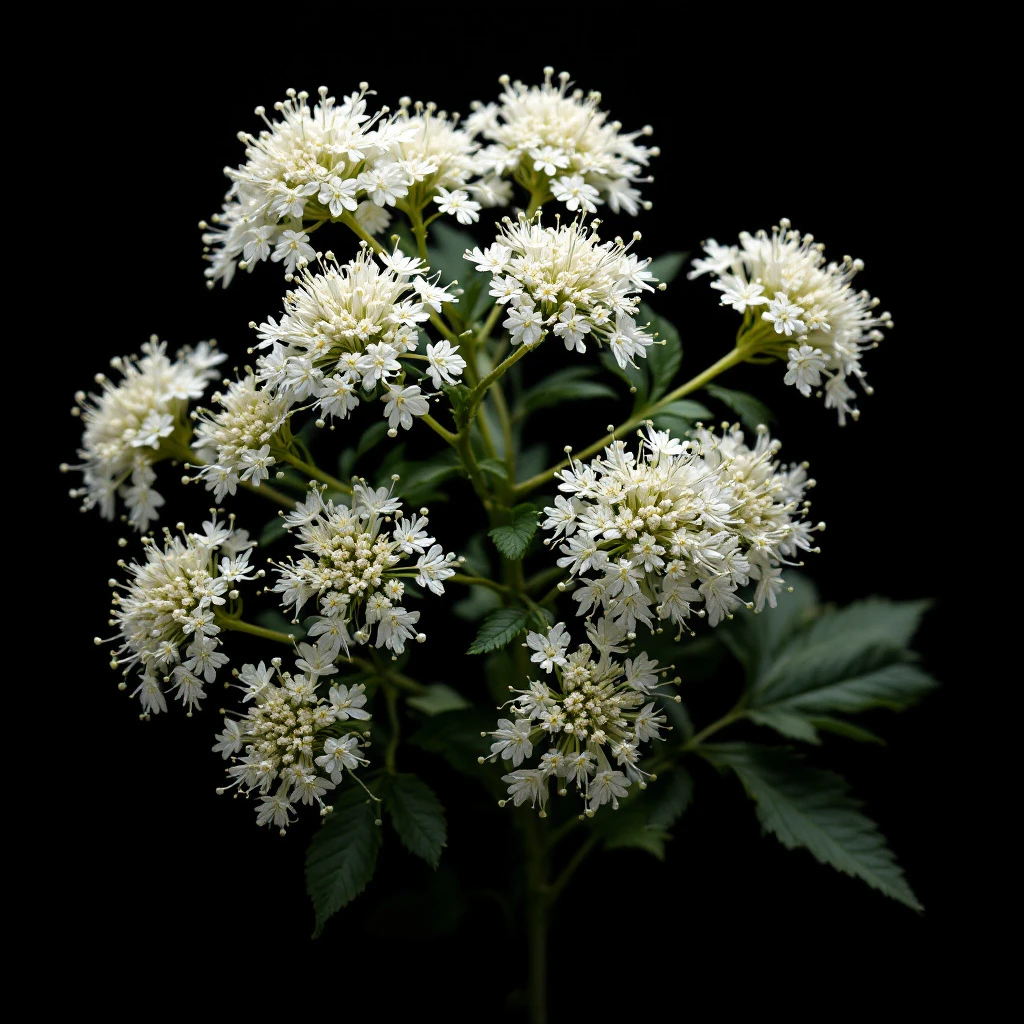
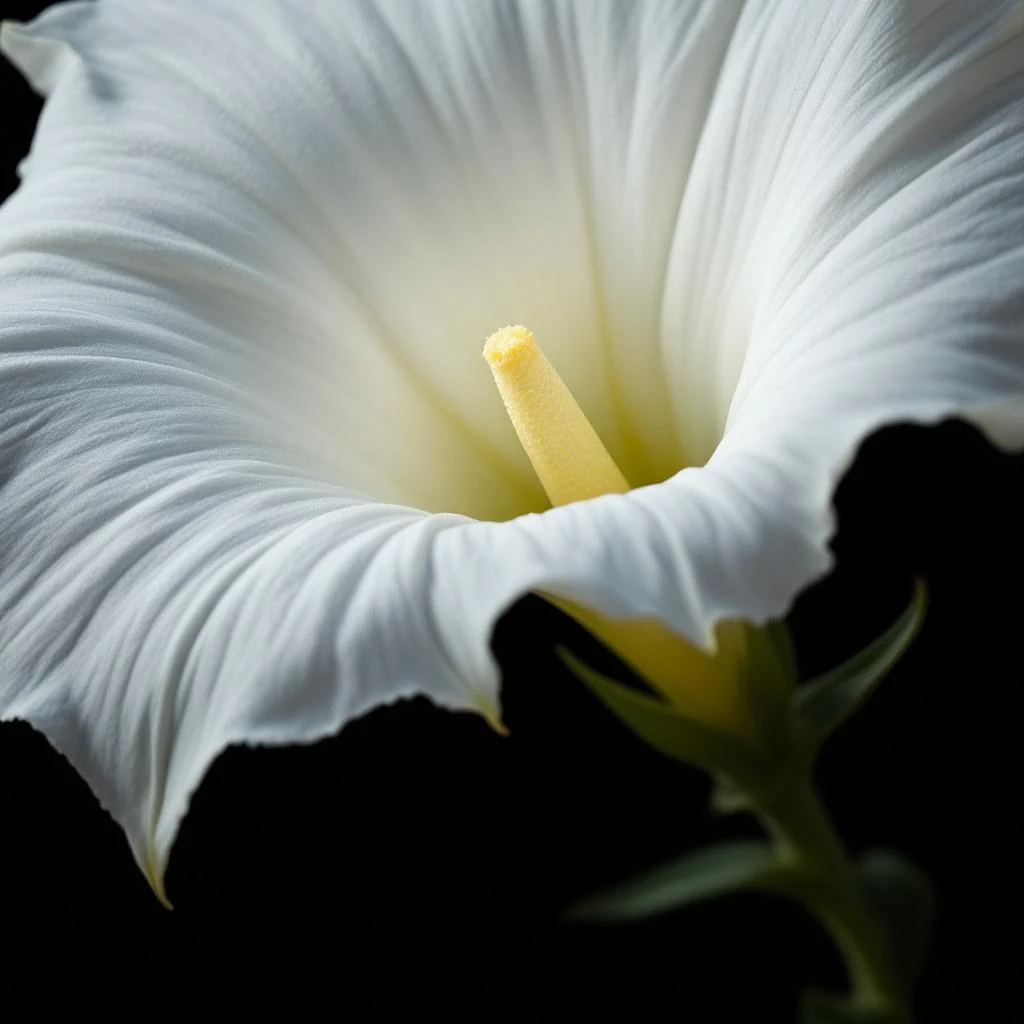
White Mimosa delivers a soft, powdery sweetness with verdant green undertones. Extracted from Acacia dealbata, this golden blossom has anchored French Riviera fragrances for over a century, offering perfumers a warm floral accord that bridges delicate and bold compositions.
Character
How it smells
Soft, powdery, honeyed: the golden blossom of the Riviera
Ancient Egyptians considered the acacia tree sacred, linking its blossoms to concepts of resurrection and immortality in their religious practices.





Origin
Australia
Mimosa began its perfumery story in Australia, where Acacia dealbata grows wild across open woodlands. French colonists brought the thorny shrub to the Mediterranean in the 19th century, and it found its true calling along the sun-warmed hillsides of the Riviera. By the 17th century, Grasse had established itself as the heart of modern fragrance, and mimosa quickly became a treasured ingredient in the ateliers that lined its cobblestone streets.
The flower's significance extended beyond commerce. Ancient Egyptians linked the acacia to their mythology, associating its persistent green foliage and golden blossoms with ideas of rebirth and eternal life. This symbolic weight gave mimosa a spiritual dimension that enhanced its appeal in ceremonial contexts.
The French Riviera adopted the blossom as its unofficial floral emblem, and each February the town of Tanneron celebrates the mimosa harvest with festival processions through the hills. Today, mimosa absolute remains a marker of authenticity in classic French perfumery, a living connection between ancient traditions and contemporary creation.
Wears it best
Fragrances featuring White Mimosa
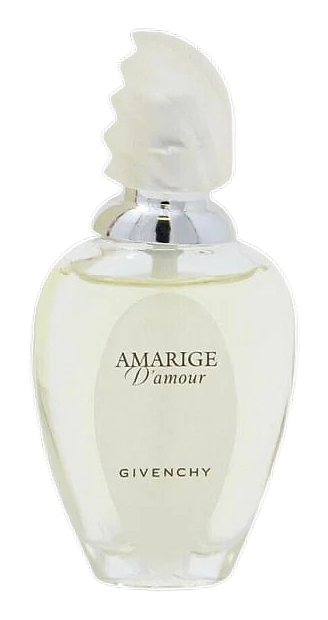
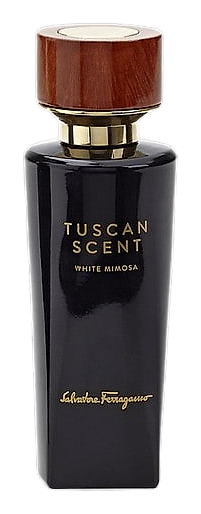
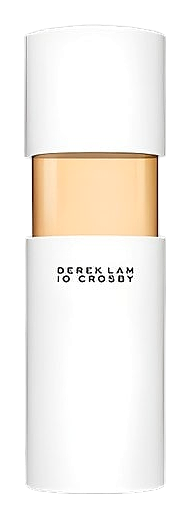

Brands
Brands known for White Mimosa
Good to know
Questions, answered
The essentials on White Mimosa in perfumery: how it smells, where it comes from, and how it behaves on skin.
What does White Mimosa smell like?
White Mimosa registers as powdery, sweet, and gently green. The absolute carries honeyed undertones with a faint almond quality that adds dimension beyond simple florality. These characteristics together create a warm, intimate impression that reads as comforting rather than sharp.
Is mimosa absolute derived from the mimosa plant or acacia?
Mimosa absolute comes from Acacia dealbata, which is commonly called winter mimosa or golden wattle. The terminology can confuse because true mimosa belongs to a different botanical genus. Perfumers have long used the name mimosa interchangeably with the acacia species, and this convention persists in the industry.
Where does quality mimosa absolute come from?
The French Riviera, particularly the region around Grasse, produces the benchmark mimosa absolute that most luxury perfumery references. Tanneron and the surrounding hillside towns cultivate extensive mimosa groves for harvest. Australia, the plant's origin country, has developed small-batch production for domestic niche perfumery, with quality improving as local expertise grows.
How is mimosa absolute extracted from the flowers?
Producers use solvent extraction rather than steam distillation because mimosa blossoms lose their scent when exposed to high heat. Hand-harvested flowers are washed in food-grade solvent, which dissolves the aromatic compounds. The mixture is then filtered and the solvent removed, leaving behind the aromatic concrete. A second alcohol wash separates the absolute from waxes, yielding the concentrated perfumery ingredient.
What fragrance families pair well with mimosa?
Mimosa integrates naturally into floral and chypre compositions, where its powdery sweetness provides softness. It also performs well in oriental fragrances, where it adds a delicate floral counterpoint to warmer base notes. Green and aldehydic fragrances sometimes incorporate mimosa for its green-floral effect.
Does mimosa absolute contain any allergenic compounds?
Mimosa absolute contains naturally occurring compounds that fragrance safety organizations monitor, including certain benzyl alcohol derivatives. IFRA regulations set usage limits for mimosa absolute in consumer products. Reputable brands formulate within these guidelines, and sensitive individuals should review ingredient listings carefully.
Can mimosa absolute be synthetically replicated?
Synthetic alternatives exist that approximate mimosa's powdery, sweet character. These workarounds became necessary during periods of scarcity, but they lack the complexity of natural mimosa absolute. The natural version contains dozens of trace compounds that contribute to its nuanced scent profile, which synthetic approximations cannot fully replicate.
What role did mimosa play in ancient perfumery?
Ancient Egyptians used acacia in incense mixtures for religious ceremonies, valuing the plant's symbolic connection to immortality. The blossoms appeared in burial rituals and temple practices, establishing a ceremonial tradition that predates modern perfumery by millennia. This historical use laid groundwork for mimosa's eventual incorporation into fine fragrance.




