
The Story
Why it exists.
The beginning
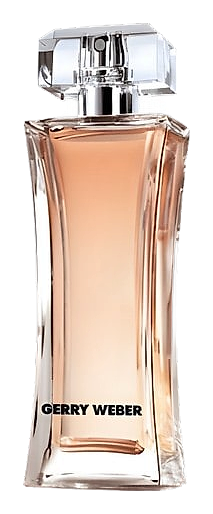
Gerry Weber Woman was launched in 2002, when the German fashion house was already rooted in expressive colour, distinctive prints, and confident women’s style. The fragrance reflects the house’s practical approach to femininity: something expressive enough to make an entrance, yet dependable enough for every day. Its composition brings together fresh fruit, citrus, and airy florals with woods, musk, amber, and vanilla. The result suits the brand context closely, translating the visual language of radiant prints and refined silhouettes into scent.
The interesting part is the balance. Freesia, red currant, bitter orange, and black pepper bring brightness and a clean pinch of spice. Peony, cyclamen, heliotrope, and jasmine give the middle a full floral shape, while teakwood and vetiver lend structure rather than leaving it airy. Musk, sandalwood, amber, and vanilla then settle the composition into warm skin contact. Fruit makes it lively, but the woody base stops it from feeling sugary. That contrast gives the scent its easy sophistication.
The evolution
The first impression is quick and articulate. Red currant supplies tart fruit, bitter orange adds citrus brightness, and black pepper lays a fine line of heat beneath the airy floral opening. As those notes recede, peony and jasmine take centre stage, joined by heliotrope’s powdery softness and the drier character of teakwood and vetiver. The heart feels more composed than the opening, almost tailored rather than merely pretty. Then musk, sandalwood, amber, and vanilla form a warm, enveloping base. Amber gives depth, vanilla adds a low honeyed glow, and the woods keep the sweetness grounded. The scent moves from crisp daytime polish to a close, softly musky trail, with fresh fruit, restrained florals, and warm woods remaining clearly defined as it wears.
Cultural impact
Gerry Weber Woman belongs to the house’s wider expression of feminine fashion through scent. Its place is less about exclusivity than its expressive character: clear enough for someone who enjoys a defined floral identity, yet composed enough for regular use. In the wider fragrance landscape, it shares familiar territory with polished floral-musk scents from names such as Cacharel Noa, Yves Saint Laurent Elle, Dior Dune, Chanel Coco Mademoiselle, and Carolina Herrera Carolina Herrera, though it presents its own combination of sparkling fruit, powdery florals, and woody warmth.