The Story
Why it exists.
The beginning
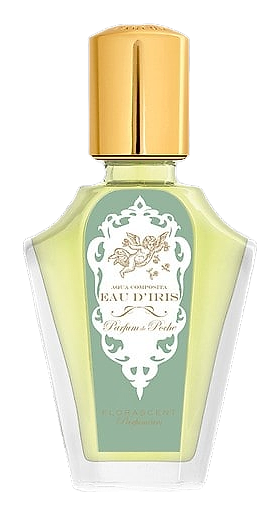
Eau d'Iris arrived from Florascent in 2016 as a modern study of precious iris. There are no verified perfumer credits or specific creative anecdotes attached to this release. Its composition places iris within a varied supporting structure: citrus and green notes bring freshness, violet and jasmine shape the floral center, and woods add a composed finish. The result is a polished, contemporary presentation of iris, balancing brightness, floral softness, and a grounded woody character. As the scent develops, its different note families overlap and shift, giving the fragrance a measured sense of movement rather than leaving iris presented as a single, isolated accord.
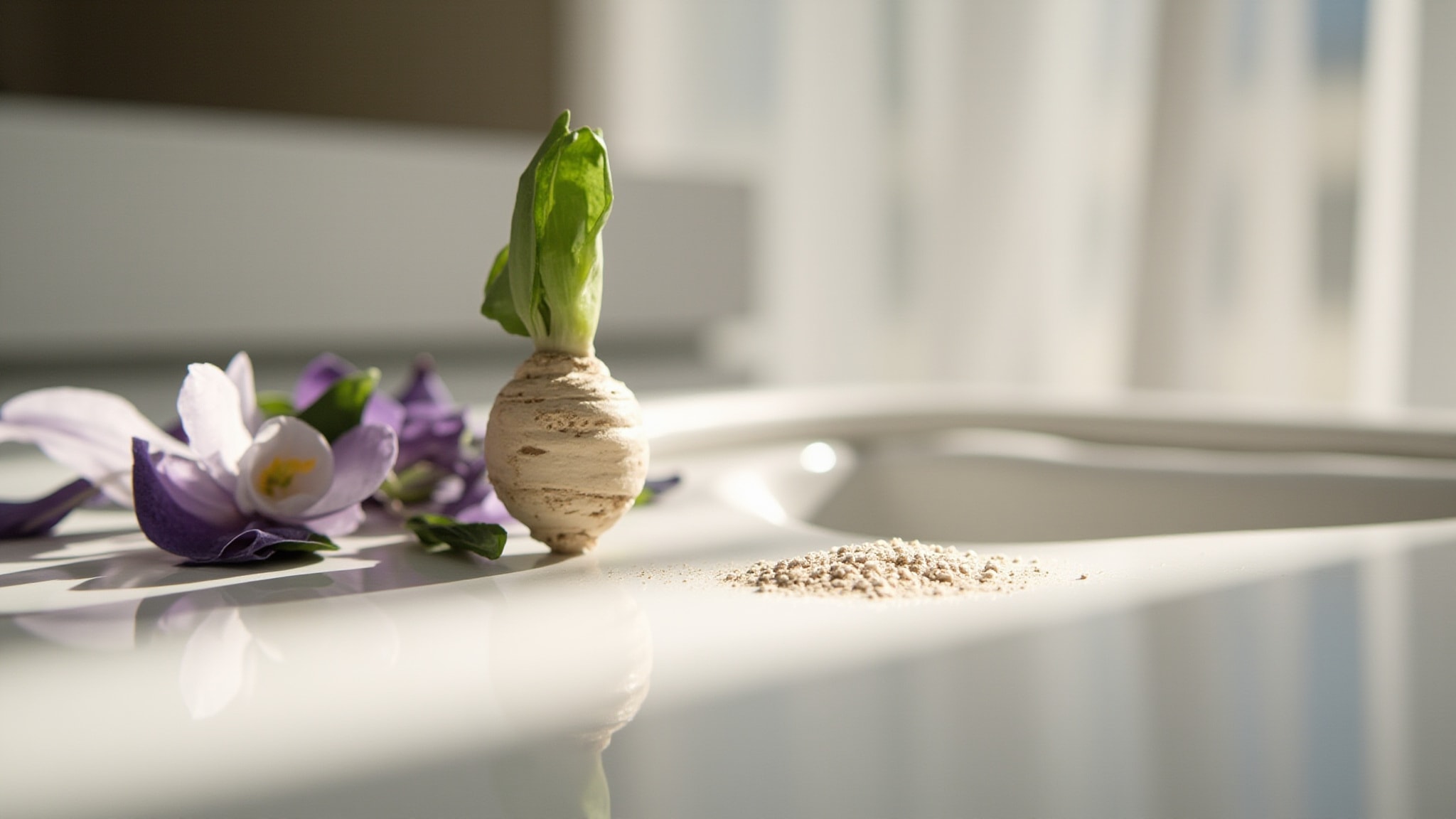
The composition is built around a deliberate contrast. Citrus notes provide brightness, while violet, jasmine, and iris bring a floral, powdery center. Cabreuva wood introduces a green-woody line, keeping the floral heart from becoming too neat or powdery, while cedar and boronia settle the composition with dry wood and an herbal floral edge. The result feels like iris seen through a window on a bright day: composed, but alive.
The evolution
It starts with a brisk citrus-green impression, the kind of brightness that catches at the edges of a sleeve or collar. Neroli, bergamot, and citron make the first impression feel lifted and polished, with an almost plant-like snap rather than a candied sweetness. As the opening softens, violet and jasmine bring a floral center, while cabreuva wood keeps the arrangement grounded in green wood. Iris then takes the lead, moving the scent toward a soft, powdery finish. Cedar and boronia leave a quieter trace of dry wood and herbal floral depth. Over time, the profile becomes less citrus-forward as the floral, iris, woody, and herbal elements settle into a more unified composition.
Cultural impact
Eau d'Iris can be considered through the lens of iris as a central fragrance material, supported by citrus, violet, jasmine, woods, and herbal notes. Its profile moves from a bright opening into a softer floral and powdery center, then settles around iris, cedar, and boronia. This layered structure gives the composition a distinctive place within floral fragrance exploration, inviting attention to how familiar materials interact across the scent.