
The Story
Why it exists.
The beginning
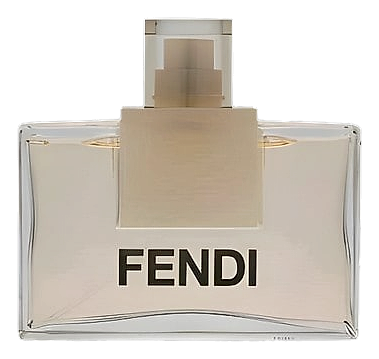
Fendi 2004 arrived in the same year the Roman house was solidifying its place in the luxury fragrance conversation. This one reads as a quiet assertion: a powdery white floral for the woman who already has the wardrobe, the address, the good leather. The composition leans into materials that feel inherited rather than invented. Tunisian neroli, Sicilian mandarin, gardenia, tiare, iris, and a warm vanilla-amber base. The opening carries that sun-bitten citrus character, bright and slightly bitter from the neroli, rounded by the sweeter warmth of Sicilian mandarin underneath. Gardenia brings a creamy white petal weight that softens the citrus edge and bridges the top into the heart, where iris settles in with its cool, powdery restraint.
What makes this composition worth paying attention to is the neroli-tiare pairing. Neroli is sharp, green, and bitter, the distilled essence of orange blossom before it sweetens. Tiare is the opposite: creamy, sun-warmed, almost tropical. Together they create a push-pull effect, the bitter citrus brightness lifting the heavier tiare cream, while the tiare softens what the neroli might otherwise wear as cold or austere. The result is something balanced, neither fully green nor fully tropical, sitting in the interesting space between.
The evolution
The first 30 minutes belong to the neroli. It's assertive, almost salty, and the kind of bitter-citrus brightness that makes people nearby lean in. Then it softens. The mandarin warmth fades, and the tiare slides forward, bringing a creamy, sunscreen-adjacent sweetness that lasts another two to three hours. By the midpoint the iris takes over. That cool, violet-tinged powder becomes the dominant register, and the neroli shifts into a quieter supporting role, still present in the background but no longer the lead. In the final phase, the drydown settles into a skin-warm blend of vanilla, sandalwood, and amber. It smells less like a fragrance and more like expensive skin after a long evening, the kind of softness you notice on a cashmere sweater rather than the air around it.
Cultural impact
Fendi 2004 sits within a broader conversation about early-2000s white florals, compositions that prized softness over projection and restraint over statement. Wearers tend to describe it in domestic terms: clean sheets, a favorite sweater, the softness of something well-maintained rather than brand new. It carries a particular kind of intimacy, the kind of fragrance you wear close to the skin rather than into a crowded room. Production is reportedly discontinued, which has shifted it toward the vintage and resale market where its longevity and skin-like drydown get the most appreciation.