The Story
Why it exists.
The beginning
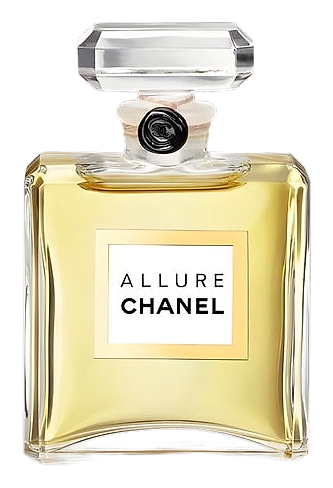
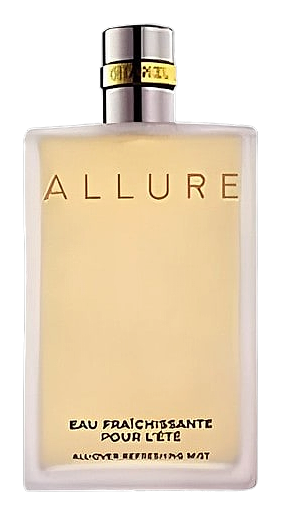
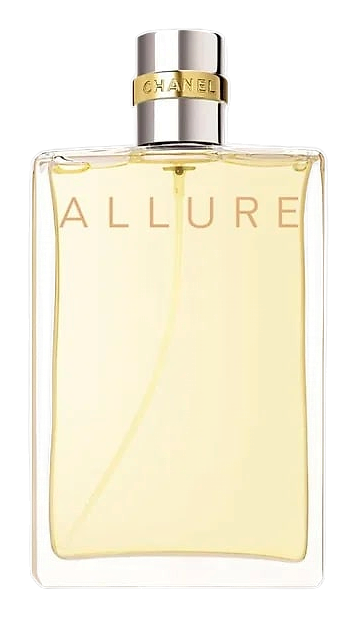
Launched in 1996, Allure was the work of perfumer Jacques Polge, who approached the composition with the kind of restraint that has long defined the house of Chanel. Not loud. Not ornamental. According to Gabrielle Chanel herself, natural elegance, a phrase that sounds simple until you try to bottle it. Polge worked in the Chanel tradition: no single note dominates, nothing announces itself from across the room. The composition is built around a tension the house knows well, between the clarity of citrus and the warmth of something deeper. Allure was meant to feel like a mood you'd already settled into, not a costume you'd put on for the evening. Nearly three decades later, it still wears that way.
The unusual thing here is what isn't there. Rather than loading up on the heavier white florals that defined so many 1990s launches, Allure pulls back to almost nothing, and the composition earns its name through what the absence allows. The mandarin isn't a bright slap of citrus, it's a softening, the way natural light softens a room. The rose is warm and almost powdery, chosen for its quiet depth rather than any jammy sweetness. And the vanilla, running through both heart and base, behaves like a binding agent, warm without weight, sweet without confection.
The evolution
The opening belongs to the mandarin, but it's not the sharp, juicy burst you'd expect. It's diffuse, almost aqueous, the scent of citrus oil pressed into warm skin. As the first minutes pass, the rose arrives quietly, less a flower in a vase and more the memory of one, and the vanilla begins threading through, softening everything it touches. Over time, the composition moves into its drydown: vanilla with a faint rose echo, neither sugary nor heavy, the kind of scent that makes you lean closer rather than pull back. It stays close to skin through its early life, then enters a soft, slightly powdery phase that reads as clean laundry dried in sun. On fabric the next morning, it's still there, faintly, the gentlest reminder. The whole trajectory feels less like a performance and more like a slow exhale, each stage yielding gracefully to the next.
Cultural impact
Allure sits in an interesting corner of Chanel's lineup: not the abstract shock of N°5, not the sleek minimalism of the modern numbered line, but something closer to a portrait of the kind of woman Gabrielle Chanel kept describing in her lifetime. It holds a place apart, gentler in temperament, more concerned with proximity than projection. Where other Chanel fragrances stage a scene, Allure simply turns down the lights and waits. The fragrance has built its reputation slowly, word of mouth carried by wearers who appreciate understatement.