
The Story
Why it exists.
The beginning
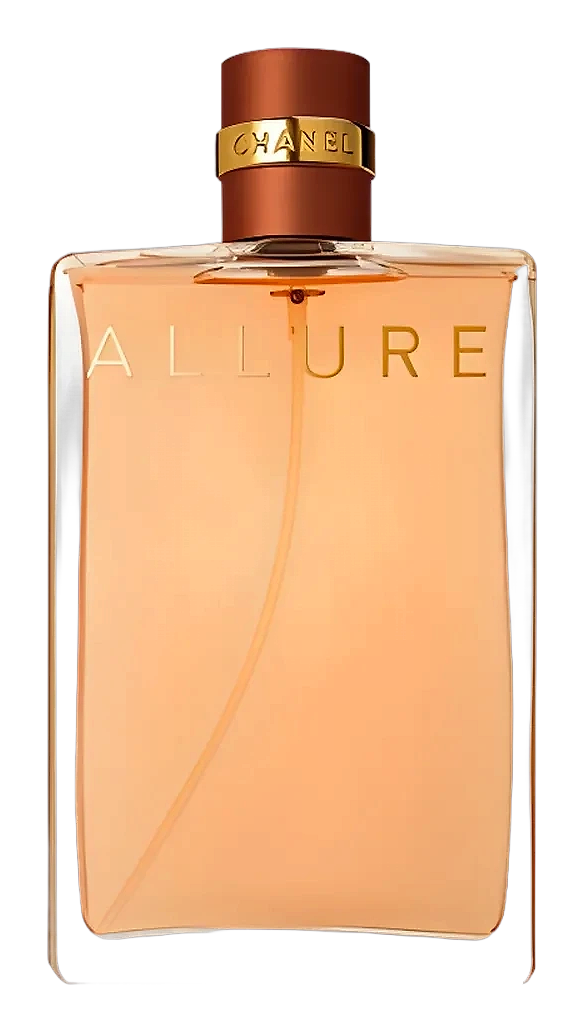
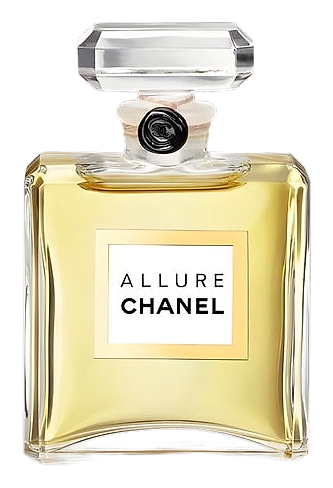
Jacques Polge understood something about Chanel when he composed Allure in 1996: the house doesn't chase desire, it architects it. Where other houses built fragrances around complexity, Polge stripped this one down to its skeleton. Three notes. Mandarin orange, rose de mai, vanilla. The brief wasn't to impress. It was to convince. The name itself says it all, what pulls you in, what holds you there. Chanel asked Polge to make something that embodied that idea. Not a love story. The feeling of being in one, before you know it.
What makes Allure Parfum interesting isn't the ingredients, it's the discipline. Three materials, executed with the kind of restraint that takes more skill than complexity. The rose de mai isn't a typical damask; it carries a honeyed softness that plays against the mandarin's brightness rather than competing with it. Vanilla anchors everything, but it's not the vanilla of gourmand fragrances, it's warmer, dustier, the kind that makes you think of powder and warm skin. Polge understood that Chanel's audience in 1996 wanted sophistication, not sweetness. The Parfum concentration makes all the difference here.
The evolution
The opening hits bright, mandarin orange, sharp and immediate. It doesn't linger. Within minutes, the rose de mai takes over, softer than you expected, with a honeyed quality that sneaks under the citrus as it fades. The hand-off happens quietly. Then comes the vanilla, not as a replacement but as a foundation, settling into the rose, blending into something powdery and warm that doesn't announce itself. The mandarin is gone by now. You might not even notice it left. The drydown is rose and vanilla locked together, refusing to separate. That's the phase people talk about when they say this fragrance lasts. Eight hours, sometimes ten. On fabric, it lingers longer, vanilla embedded in cotton, rose that won't wash out completely. The next morning, you catch it on your wrist. Faded but present. Still warm.
Cultural impact
Allure sits comfortably in the lineage of Chanel fragrances that prioritize elegance over novelty. Released in 1996, it arrived at a moment when the luxury market was shifting, but its restraint felt like a statement rather than a retreat. The fragrance has earned a devoted following precisely because it doesn't try too hard. It's for the woman who already knows what she wants.