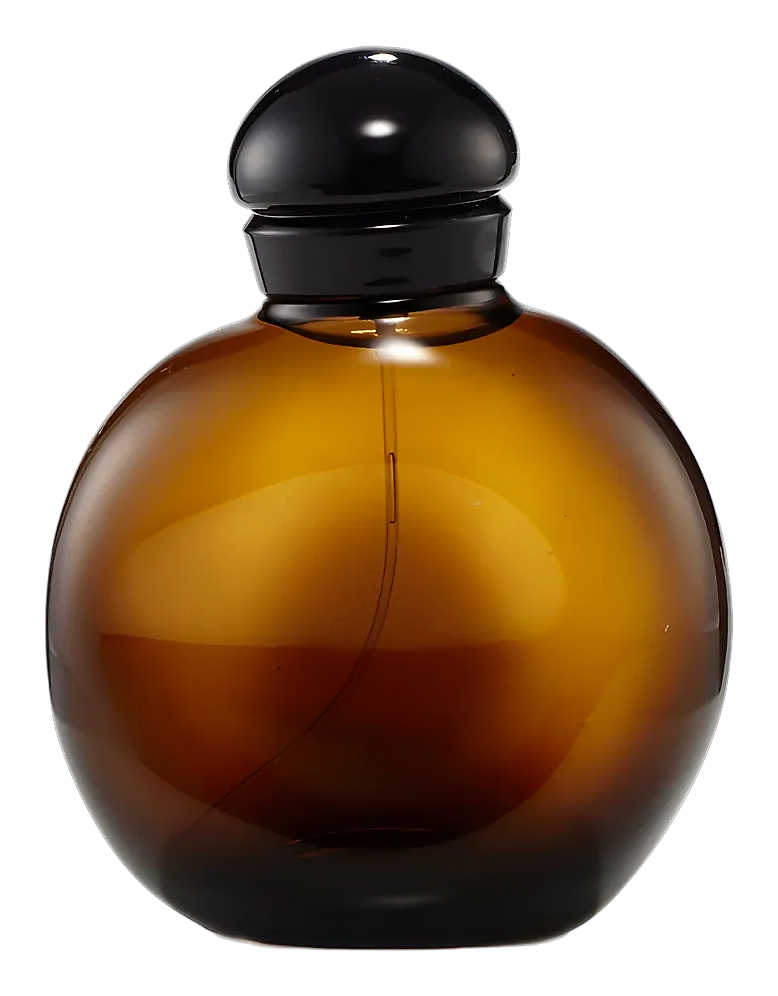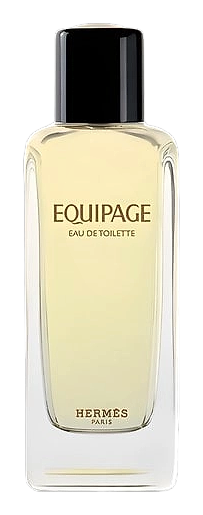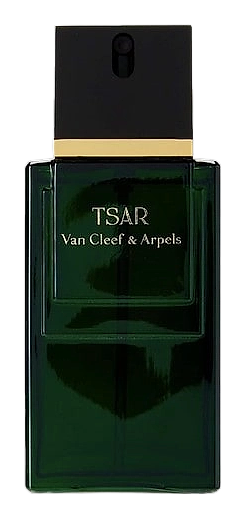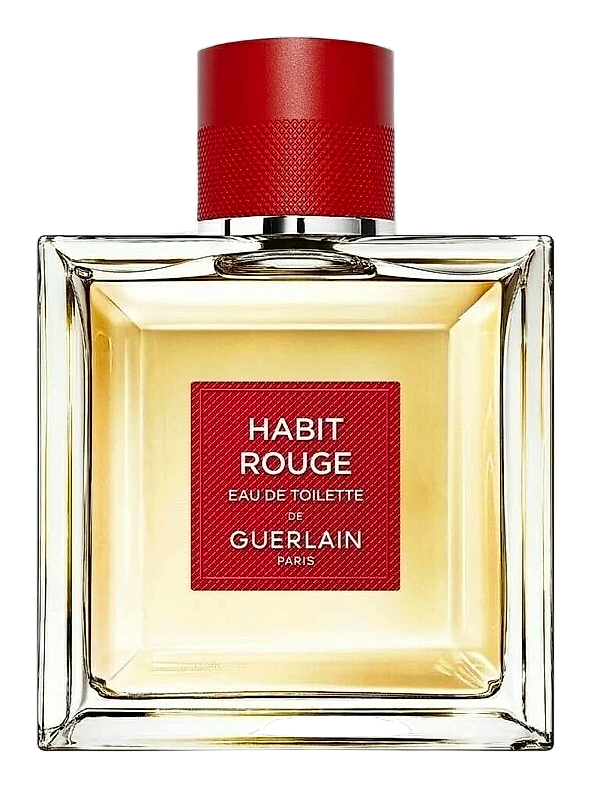

The Story
Why it exists.
The beginning
Cellini arrived in 1980, billed as Fabergé's first truly new masculine. The timing mattered: the early 1980s were recalibrating what a men's cologne could be, and Cellini stepped into a lane that asked for something with weight and nuance rather than just a quick fresh spritz. Where many masculines of the era played it safe with citrus and herbs alone, Cellini layered in a warmth and depth that gave it presence without shouting. The opening reads as bright and welcoming, but it quickly reveals a spiced, slightly sweet architecture underneath. There's a confidence in how it builds, a sense that the cologne expects the wearer to appreciate what's unfolding rather than just wanting to smell clean for the elevator ride.
The composition opens with anise sitting where most citrus-aromatics would keep things bright, pulling the opening toward something darker and sweeter. Anise gives the top a distinctive pull, a sweetness that isn't sugary but reads more like warm root and herbal liqueur. The heart then introduces cinnamon and carnation, a spiced pairing that adds dimension without losing the airy quality of the opening. Hay, moss, and leather form the base, and that trio gives the cologne its lasting impression.
The evolution
The first ten minutes belong to lemon and bergamot, bright and uncomplicated, almost bracing on a cool morning. Lavender slides in alongside them, giving the opening a clean, soapy texture. Then the anise arrives, and the temperature shifts. It's not a dramatic turn, but the sweetness of anise fills in the edges where citrus started to fade. From there, the heart takes over: geranium and jasmine create a soft, slightly powdered space, while cinnamon and carnation push warmth through the middle. Cedar and patchouli underneath anchor things without going heavy. The drydown is where Cellini settles into its real character. Hay and moss dry out the sweetness from the heart. Leather and amber appear low and warm, close to skin rather than projecting outward. As the hours pass, the geranium fades first, leaving the spiced heart to mingle with the base.
Cultural impact
Cellini arrived at a moment when masculine perfumery was expanding beyond simple fresh scents into something with more aromatic depth. The composition draws on classic masculine building blocks, citrus and lavender up top, a spiced heart of cinnamon and carnation, and a base of hay, moss, and leather, but it arranges them with a warmth and softness that gives the cologne its distinctive character. The lighter concentration places it in everyday rotation rather than reserved for special occasions. Today it reads as a vintage find, the kind of bottle a wearer discovers in a grandfather's medicine cabinet and ends up wearing themselves.