
The Story
Why it exists.
The beginning
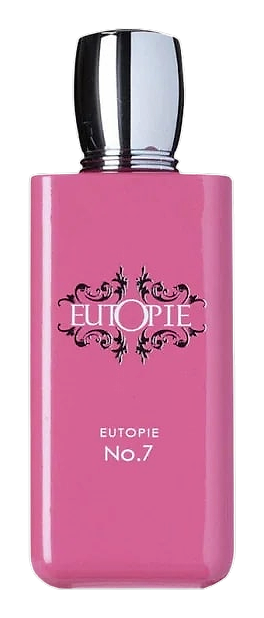
No 7 is a floral-fruity composition from Eutopie's numbered series, a lineup that runs from No 1 through No 6 and beyond. Where each preceding release made its own argument for what a numbered composition can hold, No 7 stakes out territory with green-edged florals built around the unlikely meeting of blackcurrant and marigold. An iris heart does the heavy lifting, bridging the fruity tartness of the top with a powdery coolness below. The composition moves from sharp to smooth in stages, each transition handled by a note that belongs to a different olfactory family than the one it replaces. Galbanum reinforces the green crackle at the opening, while water jasmine later steps in to soften the marigold's rougher edges.
The marigold is the load-bearing wall here. Tagetes, in perfumery terms, carries a bitter-green pungency that most compositions either suppress or spike into something aggressive. The perfumer leans into it. The blackcurrant bud note fights back with sharp fruity acidity, and pink pepper adds a faint pink-tingle at the edges. But it is the iris and water jasmine in the heart that keep the whole thing from tipping into herbal medicine.
The evolution
The first ten minutes belong to blackcurrant and galbanum, a green-tart snap that reads almost like snapping a stem on a bush in early spring. Pink pepper flickers at the edges, warm rather than sharp. Then the marigold arrives, and it doesn't leave politely. It persists underneath the floral heart, a bitter-green hum that anchors the composition for hours. The jasmine and iris arrive around the thirty-minute mark, powdery and cool, settling the composition into something more conventionally beautiful. Freesia adds a slight peppery sweetness, threading between the iris's orris-powder and the jasmine's indolic warmth. By hour three, the base begins its slow takeover: cedar dry and clean, white musk soft and skin-like, amber warming everything up.
Cultural impact
Wearers describe No 7 as the fragrance equivalent of walking through a garden in late spring without checking the time. The marigold note makes it a conversation piece, a material that's rare enough in modern perfumery that people notice it immediately and ask about it. Its green-bitter character gives the composition an unusual register, somewhere between fresh-cut stems and sun-warmed earth, with a fruity sharpness from the blackcurrant that keeps it from reading purely green.