
The Story
Why it exists.
The beginning
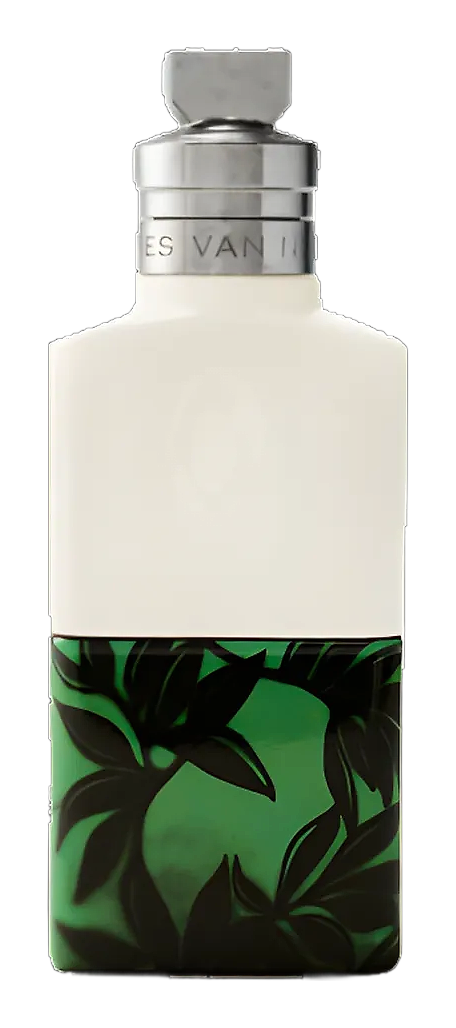
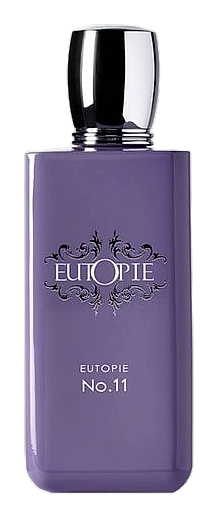
Nanako Ogi built No. 11 around a single flower: lilac. In perfumery, lilac is complicated. The natural extract does not behave predictably, so many fragrances hint at it rather than make it the point. Ogi went the other direction. Launched in 2018, this was her statement: if lilac is the soul of a bright spring, then let it breathe. Let it own the composition. The result is a fragrance where the flower itself becomes the architecture, its cool, slightly bitter-green facets held up by supporting notes that never compete. Lilac's fleeting nature, the way it seems to exist between freshness and sweetness without fully committing to either, gets honored here rather than smoothed over.
What makes the lilac in No. 11 work is its companions. Magnolia brings cool, waxy weight. Rose adds softness without sugar. The heart doesn't shimmer, it glows, steady and intentional. The structure matters: opening citrus gives the florals air to expand into, and the woody-musky base prevents the whole thing from floating away. It's architectural thinking applied to spring, nothing wasted, nothing apologetic.
The evolution
The opening hits crisp. Mandarin orange and bergamot arrive together, pink pepper threading through with the faintest spark of warmth. It's clean, immediate, refreshing. Within ten minutes, the lilac pushes through, not a whisper but a presence, accompanied by magnolia's cool green and a rose that stays close. The citrus does not vanish. It diffuses, becoming light rather than sharpness, lifting the florals without overwhelming them. An hour in, the florals deepen. The musk emerges, soft and skin-like, cedar settling underneath like a foundation. The lilac itself shifts, gaining weight as the cooler top notes fade, its petals seeming to unfold further against a warmer backdrop. Three hours in, the drydown brings amber warmth and clean wood, the lilac still faintly there in the background, not the star anymore, but not gone.
Cultural impact
Since its 2018 debut, No. 11 has appeared in editors' roundups for spring fragrances. The response to it tends to focus on how it handles lilac differently, treating the flower as something to be taken seriously rather than softened into background texture. For people who find typical lilac fragrances too fleeting or too sweet, this one offers an alternative approach. The fragrance commits to its central idea and follows through, which is what keeps it relevant in conversations about spring scents.