The Story
Why it exists.
The beginning
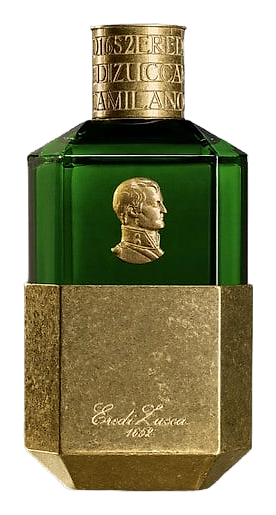
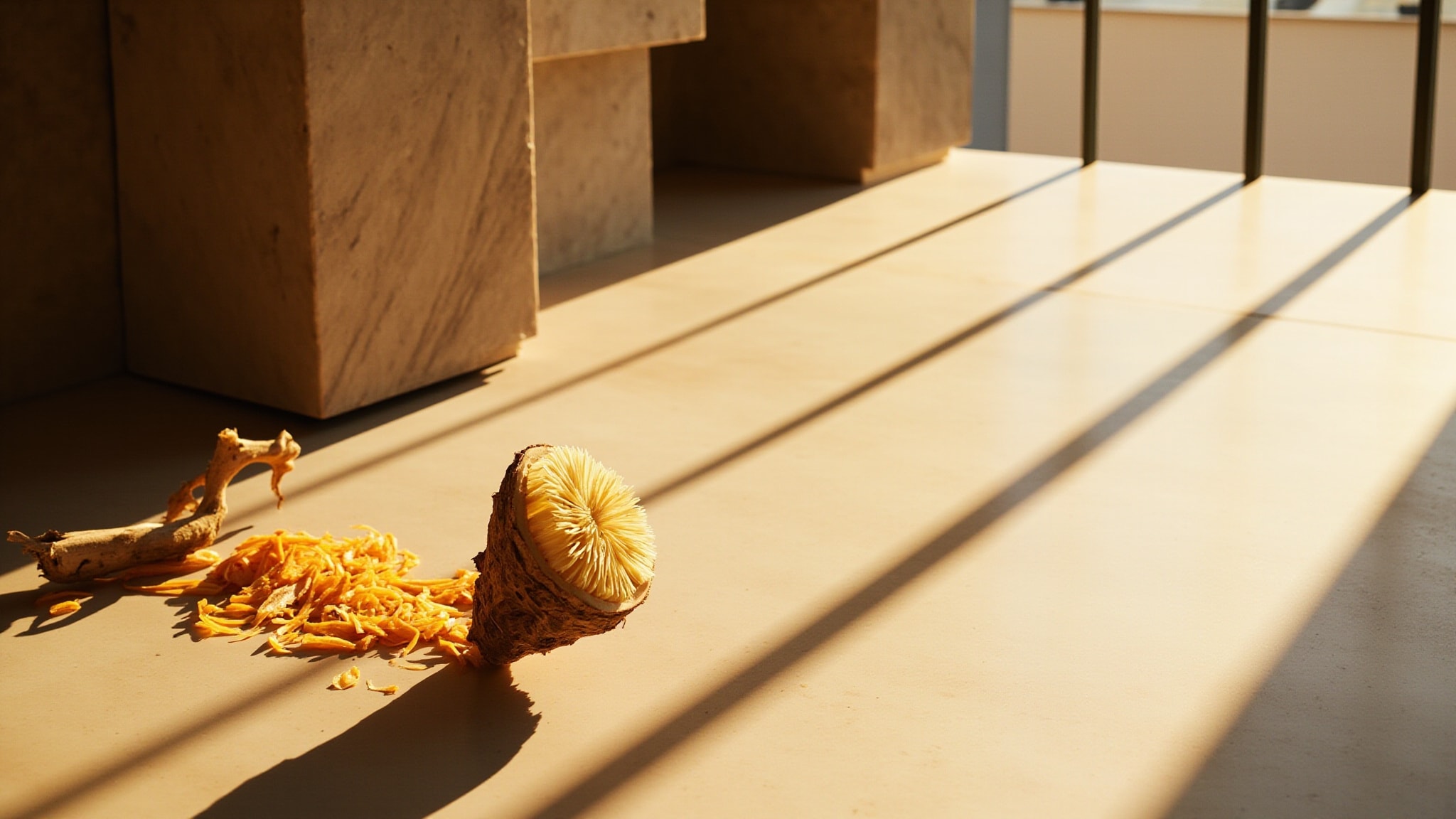
Vetivero joins the Eredi Zucca collection in 2025 as a study in restraint. The name pulls no tricks: vetiver, nothing else, with the Italian suffix that makes it sound less like an ingredient and more like a mood. Master Perfumer Blaise Mautin built the composition around that single root note, a material that's been in barbering shops and apothecaries for longer than most fragrance houses have existed. Where its siblings reach for incense, leather, or tobacco, this one stays in the green register. Think less cathedral marble, more morning walk through the gardens of an old palazzo. The vetiver here feels less like a single ingredient shouted from the front of the stage and more like a foundation stone that the rest of the composition arranges itself around.
The composition opens with three bright notes, Sicilian orange, Calabrian bergamot, and grapefruit, that play a quick supporting role before handing the structure to the root itself. There's no attempt to bury the vetiver under a citrus avalanche. Instead, the citrus lifts the entry just enough to give the fragrance air, then steps aside cleanly. The middle pulls in a fern-driven fougère nod, white musk, and cashmeran, a synthetic wood molecule that smells like suede and warm skin at once.
The evolution
The opening belongs to the citrus. Grapefruit hits first, sharp and unsweetened, followed quickly by Calabrian bergamot and Sicilian orange that round the edges without adding sugar. It smells like the cool side of a citrus crate, not a juice glass. The brightness is there, but it has a structural quality, more architectural than joyful, as if the top notes are clearing the air rather than filling it. As the citrus recedes, the green things start to surface. The fougère accord gives the composition its herbal backbone, a fern-driven coolness that most people will register as clean without naming. White musk and cashmeran smooth everything into a soft, warm suede texture, and that's when the composition starts to feel less like a series of notes and more like a single, coherent scent.
Cultural impact
Vetivero sits at the green, earthy end of the Eredi Zucca line, where other pieces in the collection reach for incense (as in Duomo) or the most floral register of the house (as in Narciso). Within that range, Vetivero reads as the quietest, most grounded option, a composition that doesn't try to impress so much as it steadies. One community wearer described it as calm and harmonious, and that sense of equilibrium runs through the whole scent. It doesn't announce itself or ask to be noticed. It simply holds its shape.
The House
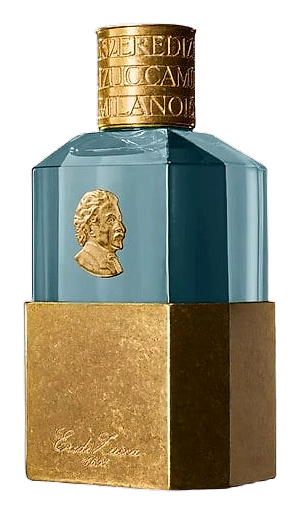
Eredi ZuccaEredi Zucca is a Milanese barbering and grooming name that traces its history to a barbershop opened by Carlo Antonio Zucca in 1652. Its fragrance collection extends that setting into eau de parfum, with compositions connected to Milan, historic barbershops, and figures associated with the city’s cultural identity. The range includes Tabacco, Duomo, Veritas, Vetivero, Cuoio, Novecento, Ultima Cena and Narciso. Novecento, created by Givaudan senior perfumer Nanako Ogi, opens with Indian cardamom, lavender and carrot seeds before moving into a green composition shaped by cedar and ambroxan. Across the collection, the central idea is clear: scent acts as an atmosphere, translating the ritual, materials and character of traditional shaving culture into a contemporary fragrance wardrobe.
The Creator
Blaise MautinMautin’s style is rooted in the French tradition of polished, expressive perfumery. His compositions tend to favor clarity, sensuality and a measured sense of luxury, with materials chosen for their character and their ability to hold a composition together.