Heritage
A house, in its own words
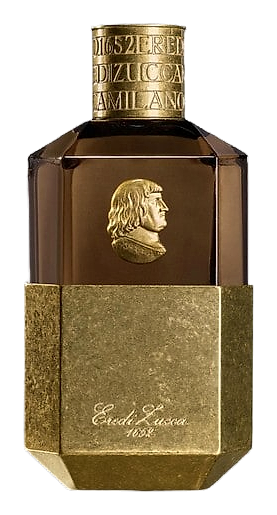
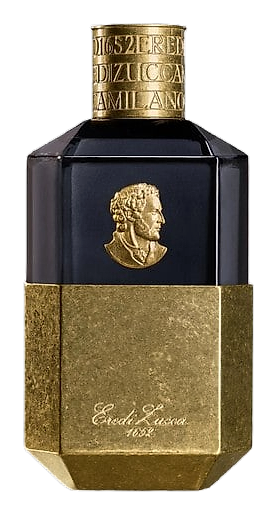
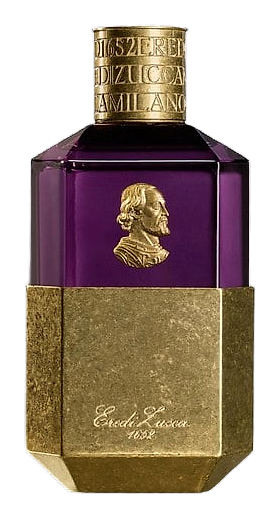
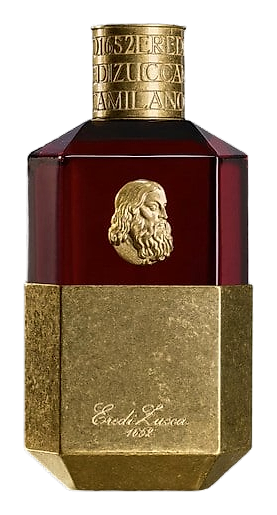
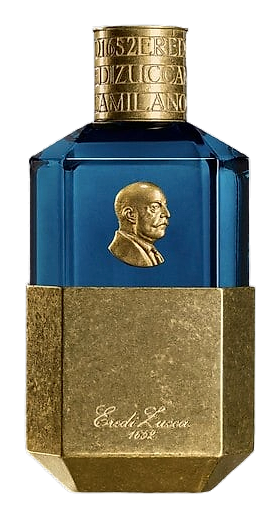
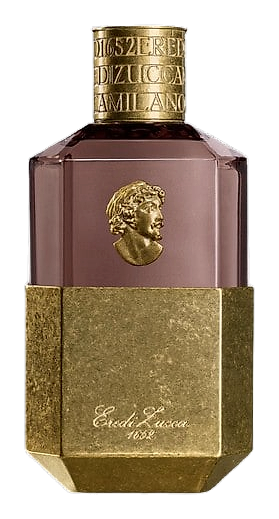
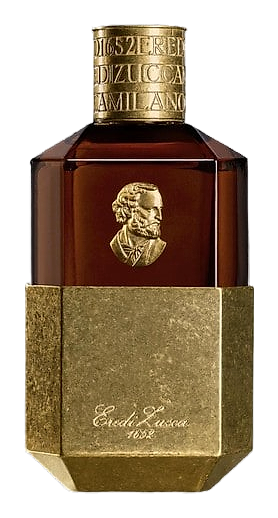
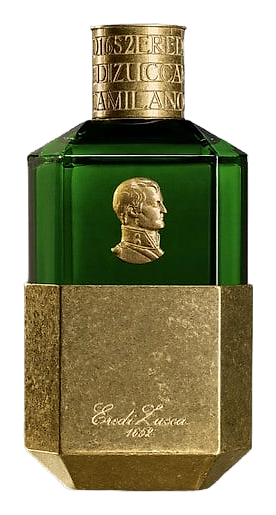
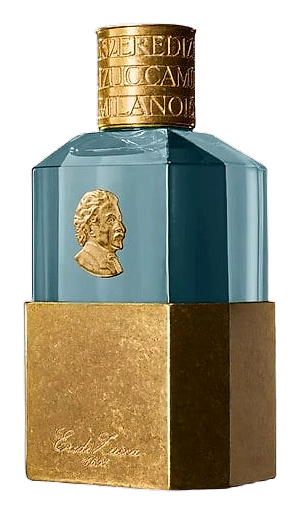
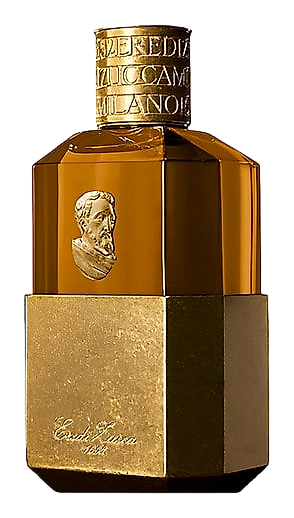
Eredi Zucca’s recorded history begins in 1652, when Carlo Antonio Zucca opened a barbershop in Milan. The business is therefore rooted not in modern fragrance marketing, but in the city’s long culture of shaving, grooming and barbering. Later accounts position Eredi Zucca as a name associated with Milanese barbershops and grooming products, while the fragrance launch presented the company as extending this tradition through a new collection of eight eau de parfums. The collection’s inspiration reaches beyond generic heritage imagery. Its scents draw on historic barbershops and people who helped shape Milan’s cultural identity, making the city itself a creative subject. Duomo, for example, uses one of Milan’s most recognizable architectural symbols as its title, while Novecento turns to the cultural shorthand of the twentieth century and the idea of artistic renewal. Tabacco, Cuoio and other names suggest materials and sensory worlds connected with grooming, interiors and the atmosphere of the barbershop. In 2023, Eredi Zucca was reported as having launched its fragrance business while also operating with a barbershop, marking a new chapter for a name whose identity comes from Milanese barbering. The transition into fine fragrance preserves an established vocabulary of shaving, scent and male grooming, but reframes it for a broader audience and a global market. Eredi Zucca’s creative vision is built around the idea that fragrance can preserve a setting. Rather than treating scent as an isolated decorative element, the collection uses perfume to evoke places, historical periods, materials and the figures who give Milan its identity. The eight fragrances are described as inspired by historic barbershops and the people who shaped the city’s cultural life. This gives each composition a narrative frame, while the perfume notes provide the sensory interpretation. The approach is especially visible in names such as Duomo, Novecento and Narciso, which turn architecture, historical eras and cultural associations into olfactory chapters. The collection also balances old and new. Its starting point is a barbershop tradition established in the seventeenth century, but its presentation belongs to contemporary perfumery, with modern eau de parfum formats and sculptural packaging. Within the range, different scent directions broaden the idea of Milanese character. Novecento is green and woody-spicy, built around cardamom, lavender, carrot seeds, cedar and ambroxan. Santo, another release in the range, takes a woody-spicy direction with bergamot, black pepper, elemi resin, Atlas cedar and Virginia cedar. This variety suggests that the brand is not defining Milan through one familiar archetype, but through a network of impressions. The result is a collection rooted in place, memory and ritual, with room for both aromatic freshness and dense, material woods.