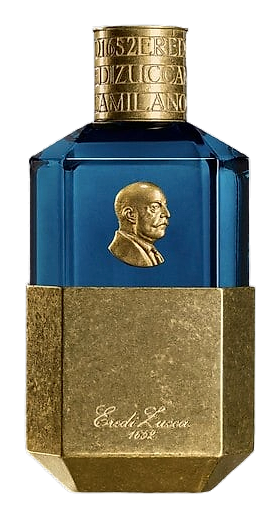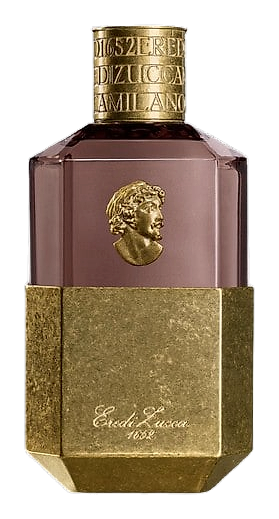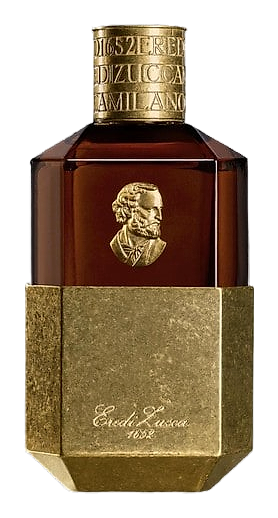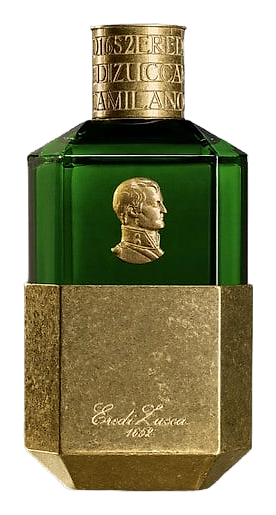

The Story
Why it exists.
The beginning
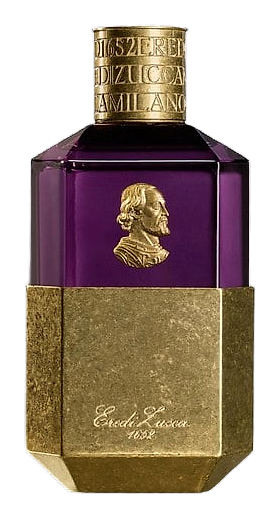
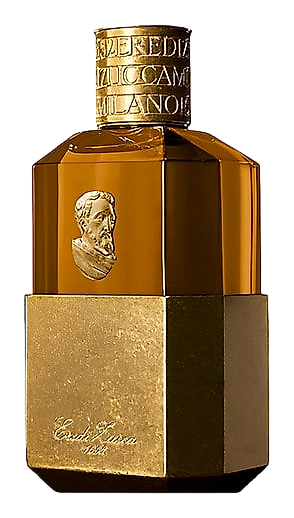
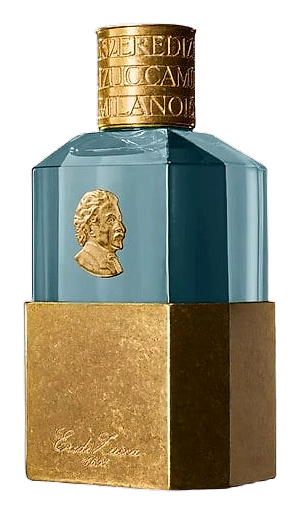
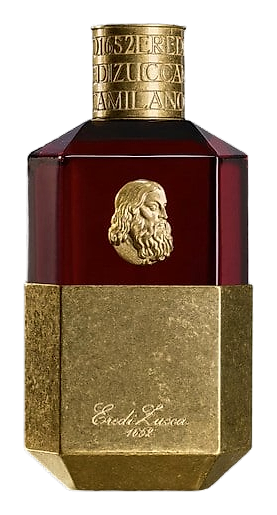
Ultima Cena arrived in 2025 as part of Eredi Zucca's fragrance collection, composed by Maître Parfumeur Blaise Mautin. Its name points toward a final meal, though the supplied research does not establish a more specific inspiration. The composition itself offers a fitting sense of occasion: Egyptian geranium, pink pepper, and rose begin with freshness and aromatic clarity. Patchouli then deepens the floral notes, adding an earthy register without pulling them toward powder. Frankincense and musk complete the arc with resinous smoke and soft skin warmth. Nothing about it is sweet in the obvious sense. The attraction lies in contrast, where cultivated rose meets spice, soil, and incense.
The unusual part is how plainly rose carries the composition. Instead of being surrounded by fruit, vanilla, or heavy blossoms, it shares the frame with pink pepper, Egyptian geranium, and patchouli. That gives the flower a greener, sharper edge, while patchouli keeps it from floating away in delicate powder. Frankincense adds another layer of structure in the base, turning the final trail toward smoke and resin. Musk then softens that severity without erasing it. The result moves between freshness and earth, floral polish and woody shadow.
The evolution
Ultima Cena starts on a bright, aromatic surface. Egyptian geranium gives the opening a green lift, pink pepper adds rosy heat, and rose supplies a floral thread with enough strength to hold the composition together. After that lively opening, patchouli takes over more decisively. The rose loses some of its softness and gains an earthy, almost polished-leather quality through the surrounding accords. As the fragrance settles, frankincense introduces resinous smoke, giving the middle distance a darker cast. Musk arrives at the end as the smoother, more intimate layer, but it doesn't turn the scent powdery or sweet. Across a typical 4-6 hour wear, the final impression is likely to be the one that stays closest to skin: warm patchouli, faint rose, resinous incense, and clean musk.
Cultural impact
Eredi Zucca places fragrance within a distinctly Milanese register, connecting scent with historic barbershops, grooming rituals, and the city's cultural identity. Ultima Cena fits that frame through its grown, incense-edged character: suited to people who prefer a rose with structure rather than sweetness, and to evenings where polish should feel earned. It occupies an Italian niche register with a strong sense of place, while remaining open to anyone drawn to smoky florals and woody spice.
The House
Eredi ZuccaEredi Zucca is a Milanese barbering and grooming name that traces its history to a barbershop opened by Carlo Antonio Zucca in 1652. Its fragrance collection extends that setting into eau de parfum, with compositions connected to Milan, historic barbershops, and figures associated with the city’s cultural identity. The range includes Tabacco, Duomo, Veritas, Vetivero, Cuoio, Novecento, Ultima Cena and Narciso. Novecento, created by Givaudan senior perfumer Nanako Ogi, opens with Indian cardamom, lavender and carrot seeds before moving into a green composition shaped by cedar and ambroxan. Across the collection, the central idea is clear: scent acts as an atmosphere, translating the ritual, materials and character of traditional shaving culture into a contemporary fragrance wardrobe.
The Creator
Blaise MautinMautin’s style is rooted in the French tradition of polished, expressive perfumery. His compositions tend to favor clarity, sensuality and a measured sense of luxury, with materials chosen for their character and their ability to hold a composition together.