The Story
Why it exists.
The beginning
Cuoio was launched in 1933 by Borsari in Parma, Italy, drawing on Italian ideas of leather, tobacco, and understated masculinity. Its name evokes the characteristic scent of new leather, while the composition reflects the restrained, practical style associated with classic Italian fragrance-making.
Its composition uses tobacco, sandalwood, patchouli, vetiver, and musk, while the citrus opening adds a bright Italian accent to the warm, close-to-skin leather character. The result is balanced by fresh citrus at first and deeper earthy, woody notes later, giving the scent a clear shift from crisp brightness to a soft, dry finish.
The evolution
On skin, Cuoio opens with a quiet sweetness that doesn't quite announce itself as tobacco for the first few minutes. The leaf sits warm and slightly sugary, more reminiscent of a pouch of pipe tobacco than a cigarette, and there's a faint powdery edge that reads as the softness of cured leaf rather than its smoke. As the first half hour passes, the sandalwood arrives underneath, and the whole composition shifts from sweet-leaf to something richer and more grounded. The patchouli comes next, not the sharp green version but the damp, earthy kind that smells like the floor of an old workshop, and it pulls the tobacco down with it. By the two-hour mark, Cuoio has settled into its leather impression: warm, dry, faintly sweet, with that distinctive dusty warmth that old Italian leather goods carry. The vetiver and musk in the base do quiet work over the next six hours, keeping the composition close to the skin without losing definition.
Cultural impact
Cuoio wears like a piece of Italian leather that's been broken in for decades. The kind of person who reaches for it isn't shopping for compliments; they're shopping for themselves. It sits comfortably next to other early-20th-century Italian masculine compositions, the era when Parma perfumers favored warmth and restraint over projection and novelty. Quiet confidence, old-school craft, and not much interest in explaining itself.
The House
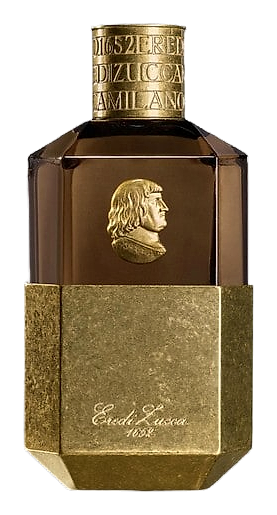
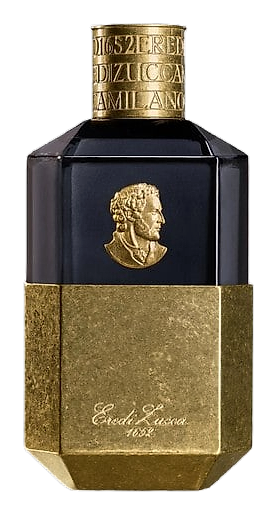
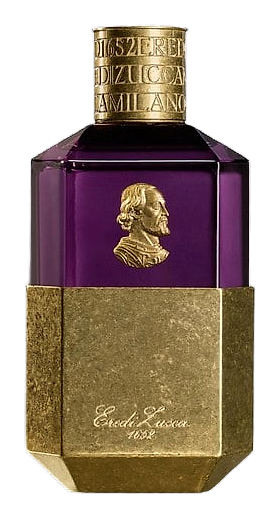
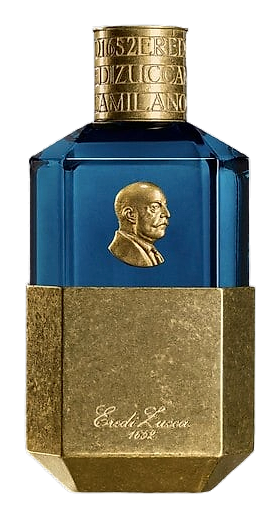
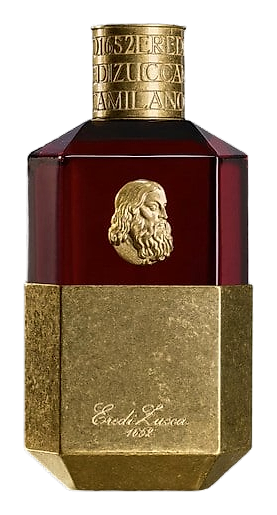
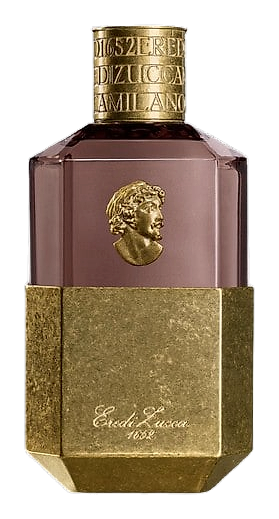
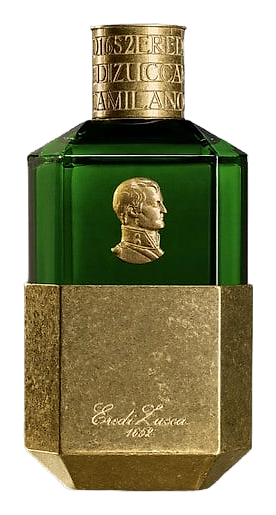
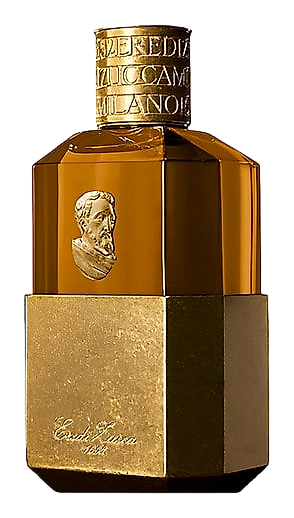
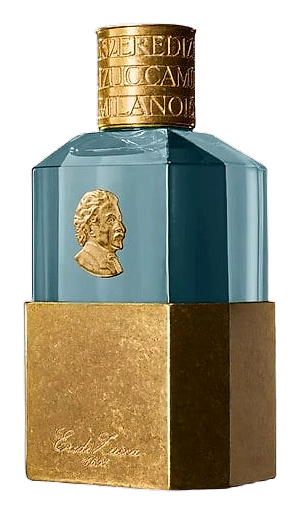
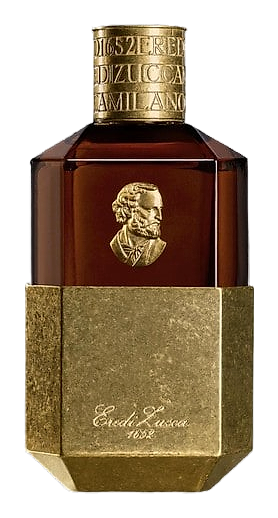
Eredi ZuccaEredi Zucca is a Milanese barbering and grooming name that traces its history to a barbershop opened by Carlo Antonio Zucca in 1652. Its fragrance collection extends that setting into eau de parfum, with compositions connected to Milan, historic barbershops, and figures associated with the city’s cultural identity. The range includes Tabacco, Duomo, Veritas, Vetivero, Cuoio, Novecento, Ultima Cena and Narciso. Novecento, created by Givaudan senior perfumer Nanako Ogi, opens with Indian cardamom, lavender and carrot seeds before moving into a green composition shaped by cedar and ambroxan. Across the collection, the central idea is clear: scent acts as an atmosphere, translating the ritual, materials and character of traditional shaving culture into a contemporary fragrance wardrobe.
The Creator
Blaise MautinMautin’s style is rooted in the French tradition of polished, expressive perfumery. His compositions tend to favor clarity, sensuality and a measured sense of luxury, with materials chosen for their character and their ability to hold a composition together.