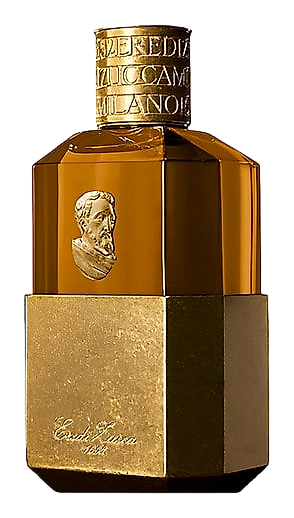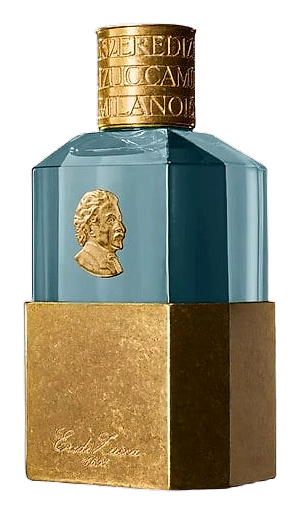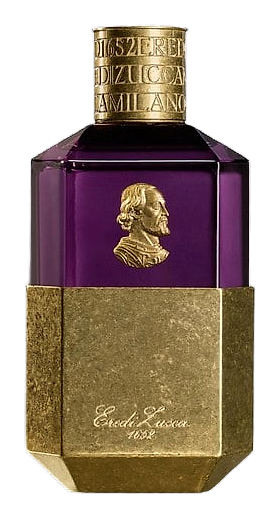

The Story
Why it exists.
The beginning
Duomo moves from lime and lemon into cinnamon, cloves, suede, Haitian vetiver, patchouli, oakmoss, amber, and musk. The citrus notes establish a bright, clean surface before warm spice introduces depth and rounded aromatic pressure. Suede adds a tactile character, while vetiver and patchouli bring earthy, woody textures that make the composition feel increasingly substantial. Oakmoss reinforces the darker side of the scent, and amber and musk soften the finish. The result is structured and cultured, with a clean opening balanced by a deeper, more sensual base. As the fragrance develops, its materials overlap in layers: citrus remains a clear point of contrast against the warmer spices, while suede, vetiver, patchouli, oakmoss, amber, and musk gradually form a close, polished trail.
The interesting part is the friction inside the composition. Citrus gives the opening a clean, almost sparkling surface, while cinnamon and cloves bring immediate warmth. Then suede introduces a tactile, polished material, and patchouli with vetiver deepens the whole thing into something earthy and woody. Amber and musk keep the finish soft and close. As the top notes recede, cinnamon and cloves remain noticeable through their warm aromatic character, linking the brighter opening to the darker materials that follow.
The evolution
Duomo begins with lemon and lime, sharp enough to feel almost candid against the darker materials waiting underneath. As the opening develops, it shifts from citrus freshness into warmer spice, with cinnamon and cloves creating a rounded, aromatic pressure. The composition grows more tactile as suede enters, giving the center a suede-like, polished character that is less sweet than clean. Patchouli, Haitian vetiver, oakmoss, and amber settle the fragrance toward an earthy, woody base, while musk softens the edges. The stages are defined by contrast rather than a single dominant impression. Citrus provides a clear beginning, spice adds warmth, and suede gives the middle a material quality that feels soft and composed. Later, patchouli and vetiver deepen the structure, oakmoss adds a darker earthy impression, and amber and musk leave the final trail with a gentler warmth.
Cultural impact
Duomo can be read through the character of its composition rather than through a claimed connection to a particular city or historical setting. The name suggests Milan, but the scent itself is carried by a deliberate set of contrasts. Citrus brightness meets warm spice, while suede introduces a tactile quality that feels polished and distinctive. Vetiver, patchouli, oakmoss, amber, and musk build an earthy and woody foundation beneath the cleaner opening. This gives Duomo a cultural register that is less about a literal reference and more about atmosphere: restrained on the surface, dimensional underneath, and comfortable with complexity.
The House
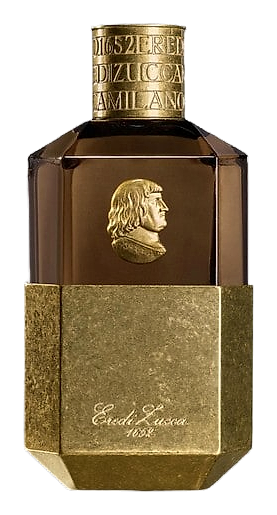
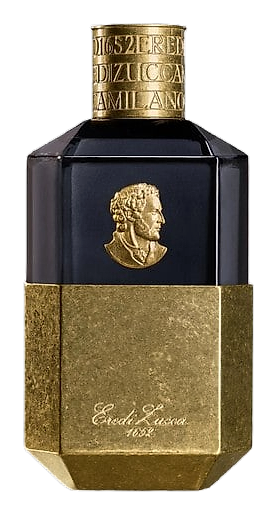
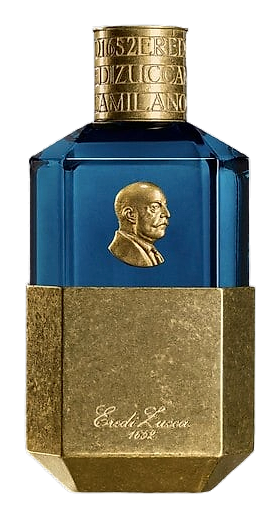
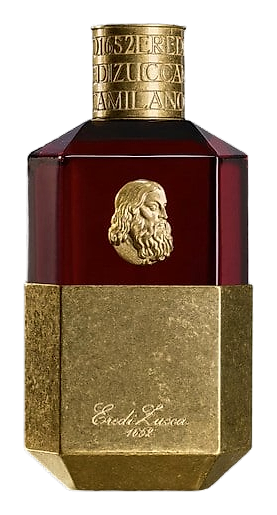
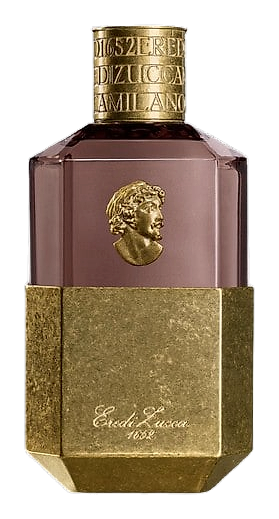
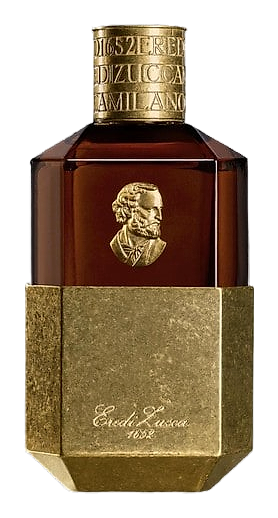
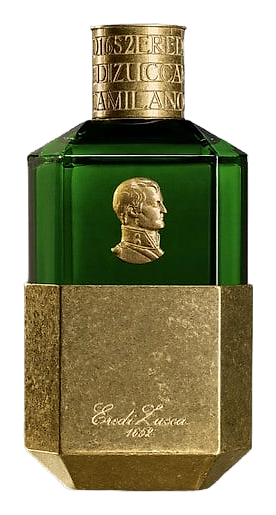
Eredi ZuccaEredi Zucca is a Milanese barbering and grooming name that traces its history to a barbershop opened by Carlo Antonio Zucca in 1652. Its fragrance collection extends that setting into eau de parfum, with compositions connected to Milan, historic barbershops, and figures associated with the city’s cultural identity. The range includes Tabacco, Duomo, Veritas, Vetivero, Cuoio, Novecento, Ultima Cena and Narciso. Novecento, created by Givaudan senior perfumer Nanako Ogi, opens with Indian cardamom, lavender and carrot seeds before moving into a green composition shaped by cedar and ambroxan. Across the collection, the central idea is clear: scent acts as an atmosphere, translating the ritual, materials and character of traditional shaving culture into a contemporary fragrance wardrobe.
The Creator
Marie Urban Le FebvreMarie favors a minimalist architecture, layering a few high‑impact ingredients rather than crowding the composition. She often begins with a single anchor—such as cedar, ambergris or a rare flower—and builds around it with supporting accords that echo the anchor’s texture.