The Story
Why it exists.
The beginning
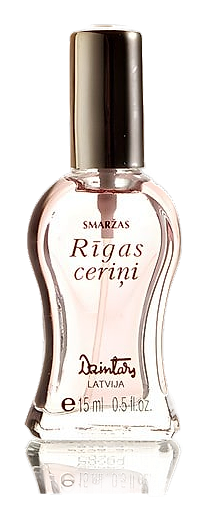
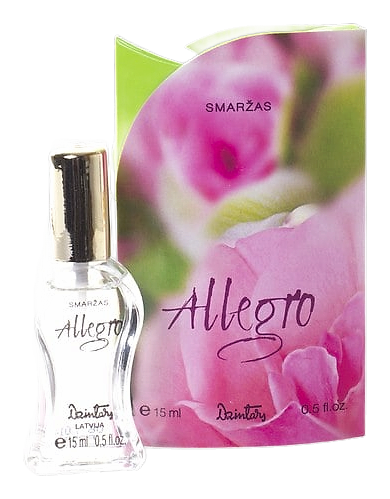
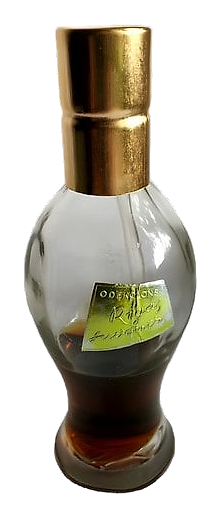
In 1963, Dzintars released Rīgas suvenīrs. The name does the work: a city condensed into something you can carry in a bottle. The fragrance sits inside a classical structure that feels deliberate, built to hold up rather than to chase the prevailing taste. Bergamot and jasmine open on a confident, restrained frame. There is no shock here, no concession to trend. What you get instead is a portrait composed with the assumption that it should outlast the cycle that shaped it.
The hinge between the iris-rose heart and the oakmoss-amber base gives this composition its particular gravity. The iris reads powdery, even violet-like, but vetiver threads through it with an earthy counterweight that keeps the heart from drifting into pure florality. The composition holds back from full fougère territory, there's no lavender, no geranium sharp edge, which keeps the structure classical rather than aromatic-masculine. That restraint shapes the whole wear. Dzintars wasn't reaching for noise; the composition was built as a keepsake.
The evolution
Bergamot arrives first, bright and almost green before the jasmine reaches up to soften it. The opening minutes are the most luminous the fragrance gets. Then the iris takes command, powdery and cool, while rose and sandalwood warm the base of the heart. Vetiver pulls the composition earthward, grounding the powder before it can float away. By the second hour, the oakmoss has settled into its groove, and the structure reorganizes around it, that mossy, almost forest-floor mood is what carries the next several hours. The musk keeps skin contact through the end, with amber lending a faint resin hum that reappears in the late drydown on fabric. Later still, the whole composition quiets into something more skin-bound, hushed but unmistakably present.
Cultural impact
For wearers in the former Soviet Union and the Baltic states, Rīgas suvenīrs is less a fragrance than a piece of family memory. The name itself functions as an invitation, calling up the cobbled streets, the old-town facades, and the particular twilight over the Daugava that anyone who has spent time in Riga can picture. The fragrance taps into that reservoir of place and feeling, which is precisely why it has stayed relevant long after the era that produced it. The bottle on a dresser becomes a quiet act of remembering, a way to carry the city without leaving the room.