
The Story
Why it exists.
The beginning
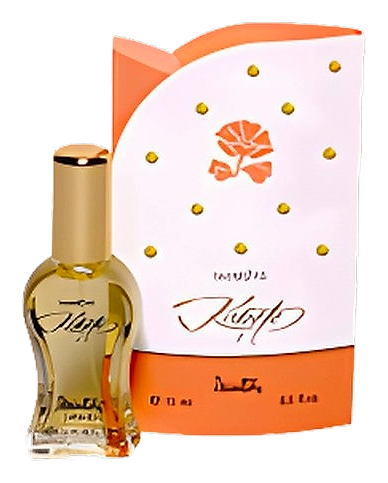
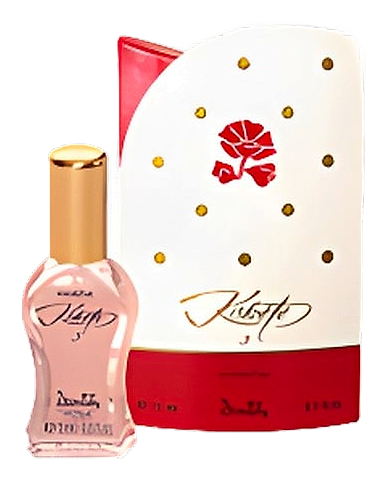
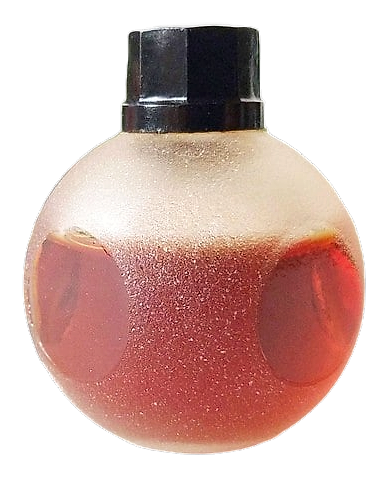
Puķu zirnītis, the Latvian name for sweet pea flower, arrived in 1959 from the Riga workshop of Dzintars. Milda Gulbe composed it during the late 1950s, a period when Latvian perfumery was developing its own distinct voice within the broader Soviet fragrance industry. The composition draws on a recognizable European floral tradition rather than any single local reference. The choice of a botanical name for a floral scent was straightforward, grounded in what the juice was meant to evoke. Sweet peas carry associations of cottage gardens, trellises, late spring mornings, the kind of English and Central European imagery that translated well across the Soviet Union's multilingual readership.
What makes the structure interesting is how restrained it stays. Three top notes, three heart notes, three base notes. No fireworks, no loud surprises. Linden blossom and lily of the valley open the door, then ylang-ylang and jasmine do the actual work of making it floral rather than just green. The tolu balsam in the base is the quiet surprise. It brings a vanilla-adjacent warmth that stops the white florals from turning thin, the way a good frame keeps a watercolor from looking like it's about to slide off the wall. The composition never tries to impress through volume or projection.
The evolution
The first 15 minutes belong to the citruses and linden blossom, bright and almost honeyed, like walking past a pharmacy in summer. The florals arrive gradually. Lily of the valley gives it a cool, dewy edge before ylang-ylang and jasmine warm things up. There's a point around the two-hour mark where the jasmine gets surprisingly creamy, almost tropical, before the base notes settle in. The sandalwood arrives quietly. The tolu balsam adds a low resinous hum. On skin, the whole composition stays close to the wearer, intimate rather than declarative, which suits the fragrance's quiet confidence. By hour five, what's left is a warm amber-sandalwood whisper with a trace of the florals still threading through it. On fabric the next morning, it reads softer, more powdery, the tolu balsam having mellowed overnight into something closer to old paper and warm wood.
Cultural impact
A vintage Dzintars composition tends to carry a specific cultural weight in Eastern Europe. Puķu zirnītis arrived in 1959 as part of a broader Riga output that defined Latvian fragrance identity during the late Soviet period. Today it sits within a small but devoted circle of mid-century Eastern European perfumery, recognized for its adherence to classical perfumery principles rather than novelty. The composition reflects the standards of its era: structured, floral, built on a clear pyramid of top, heart, and base notes.
The House
DzintarsDzintars is a Latvian perfume house that has been creating fragrances for nearly a century. Founded in Riga in the early 1920s, the brand survived the upheavals of World War II, Soviet nationalisation and the re‑establishment of Latvia’s independence. Its catalogue includes more than two hundred scents, ranging from classic fougère blends to aromatic compositions that echo the Baltic landscape. Dzintars remains a familiar name in Eastern Europe, where many of its vintage releases are still recognised by collectors.
The Creator
Milda GulbeSpecifics of Gulbe's signature techniques and material preferences remain difficult to confirm from public records. Her naming patterns, drawing on Latvian language and landscape, imply a perfumer who works concept-first, then translates vision into formula.