

The Story
Why it exists.
The beginning
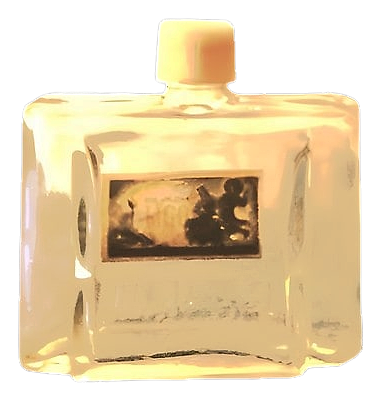
Līgo is the Latvian word for Midsummer, the celebration around the summer solstice when the Baltic night barely falls and the fields stay green long past midnight. Dzintars named this 1961 release for that stretch of the calendar, when the air is cool but the grasses are heavy with warmth. Milda Gulbe composed the fragrance during a period when Dzintars was developing its aromatic portfolio into more structured fougères and green compositions. She built it with the fresh, herbal clarity of a Baltic June in mind, less cologne, more landscape translated into scent. The composition leans into the green and white floral territory that suits the midsummer theme, opening with a burst of crushed-leaf brightness that reads almost chlorophyll-pure.
The structure is interesting. Ligo (1961) brightens the entire formula with green notes and lily of the valley in the opening, then softens the heart with peony, paired with jasmine for a fuller floral lift. That peony and jasmine combination, paired against tonka bean, is what gives the fragrance its particular softness. The tonka arrives gently underneath the florals, lending a creamy, almost almond-like warmth that smooths the transition from the cool green opening into a more rounded middle phase.
The evolution
The first hour is nearly all green and aldehyde, that bright, slightly metallic cool that signals the opening of a proper green fougère. Lily of the valley gives it sweetness, the green notes give it grass, and the aldehydes sharpen everything into something almost mineral. It smells like the first walk through a dewy field at six in the morning. By the second hour, the peony and jasmine start lifting through. The tonka bean underneath begins warming, and the whole thing shifts from cold green to something softer, almost skin-like. The fragrance gets closer and more personal here, less open field and more person. Herbaceous facets start flickering around the edges, adding a faint bitter-green thread that keeps the warmth from going sticky. The green notes still anchor everything, but they sit lower now, humming rather than singing. The drydown is where Ligo (1961) earns its longevity.
Cultural impact
Ligo (1961) sits in a particular category: a vintage fragrance with a devoted following among collectors who seek out less common regional productions. Wearers tend to describe it as the scent of a particular place and memory, Baltic greenery and old-house warmth, rather than chasing any broader trend. It's the kind of composition that appeals to people drawn to mid-century perfumery with a distinct regional character. The fragrance carries the feel of its era and origin without feeling dated. The green-aldehyde opening places it firmly in the early 1960s, but the floral heart and soft tonka base keep it wearable today.
The House
DzintarsDzintars is a Latvian perfume house that has been creating fragrances for nearly a century. Founded in Riga in the early 1920s, the brand survived the upheavals of World War II, Soviet nationalisation and the re‑establishment of Latvia’s independence. Its catalogue includes more than two hundred scents, ranging from classic fougère blends to aromatic compositions that echo the Baltic landscape. Dzintars remains a familiar name in Eastern Europe, where many of its vintage releases are still recognised by collectors.
The Creator
Milda GulbeSpecifics of Gulbe's signature techniques and material preferences remain difficult to confirm from public records. Her naming patterns, drawing on Latvian language and landscape, imply a perfumer who works concept-first, then translates vision into formula.