
The Story
Why it exists.
The beginning
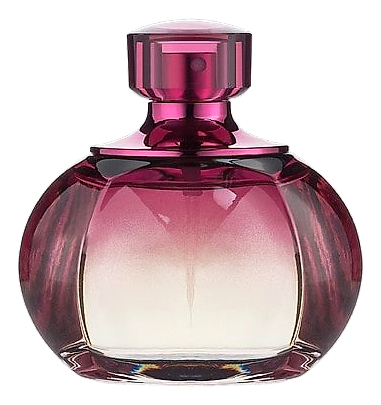
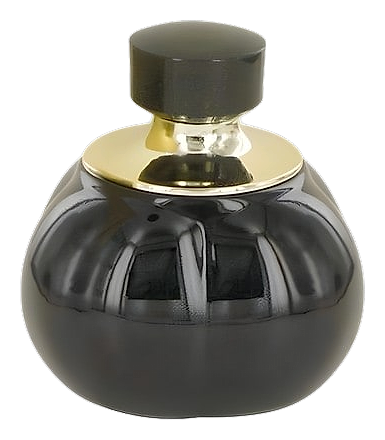
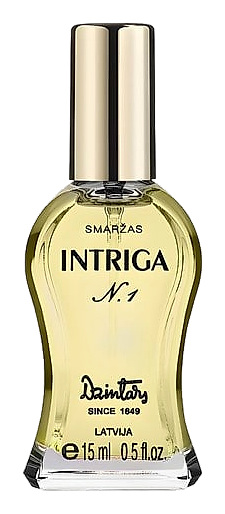
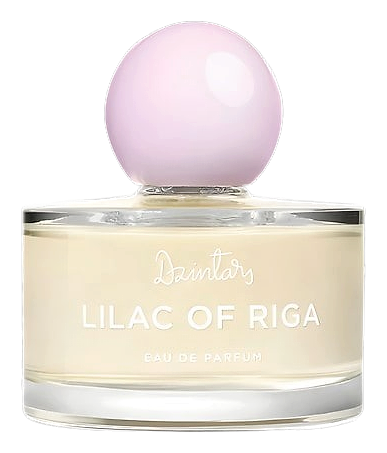
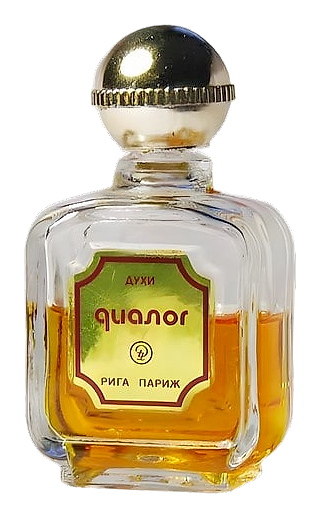
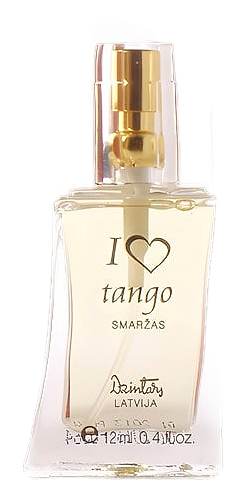
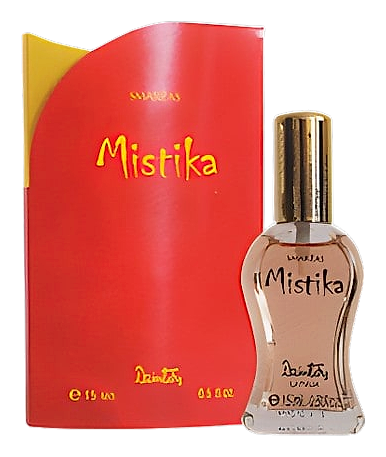
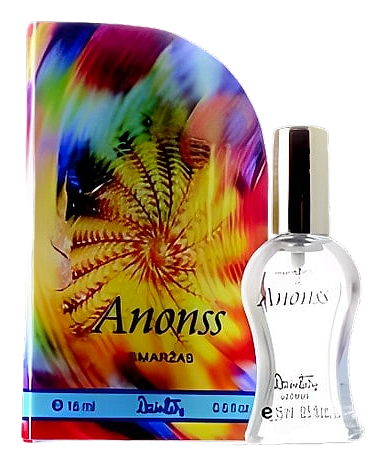
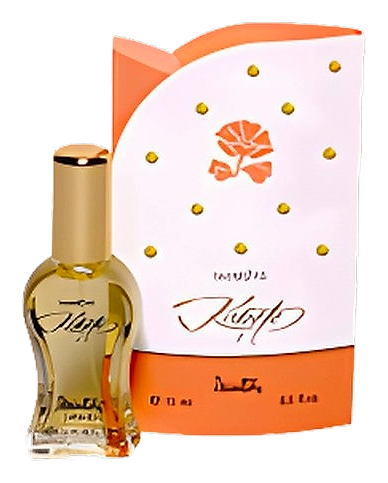
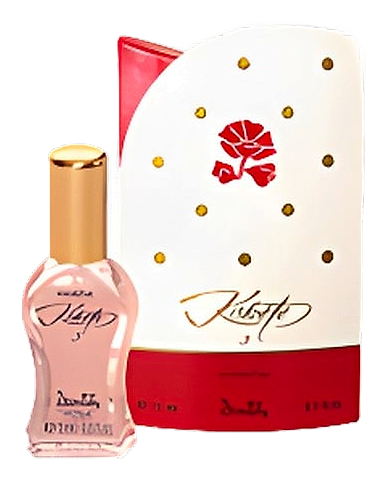
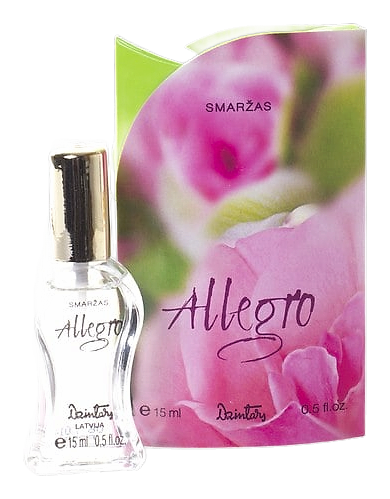
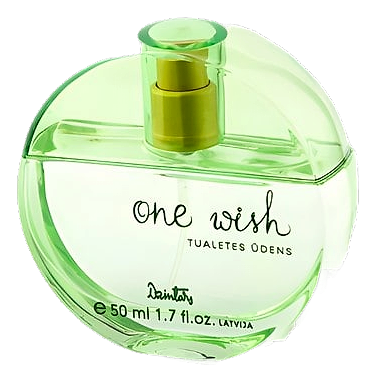
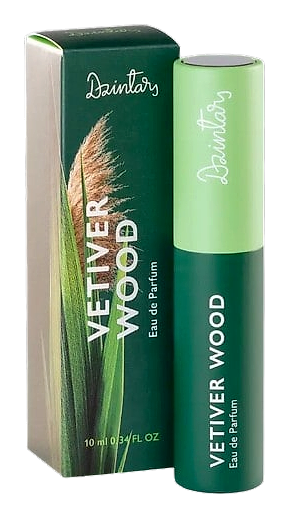
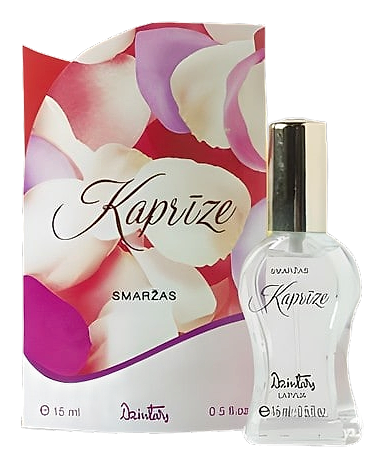
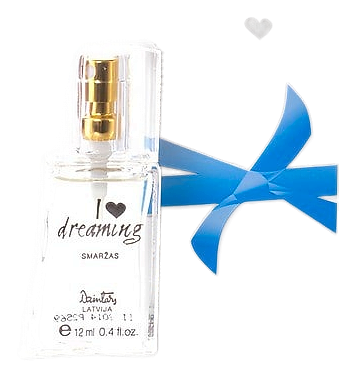
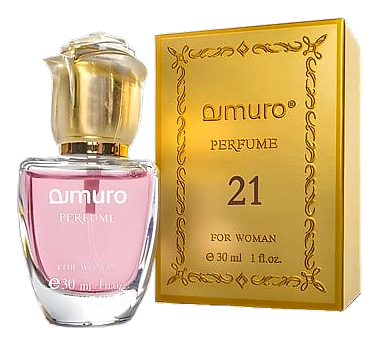
Amuro 21 arrived in 2013 from Dzintars, a Latvian house based in Riga. The brand has built its catalogue around women's fragrances with a floral-fruity orientation, and Amuro 21 sits squarely within that lineup. The composition leans on materials that read clearly on skin rather than relying on rare or hard-to-source extracts, giving it a straightforward, wearable character. The '21' in the name references Dzintars' broader numbered series, a line of releases built around sequential editions rather than seasonal rebrands.
What makes the composition worth a closer look is the pairing of yuzu with mahogany. Yuzu is sharp and almost metallic in its brightness, while mahogany brings a quiet, reddish warmth that behaves differently from cedar or sandalwood. It's drier, more architectural, and reads as a wood rather than a resin. Wrapped around lotus and peony, with pomegranate lending a tart edge up top, the fragrance plays citrus and fruit against a woody-floral skeleton.
The evolution
The first 15 minutes are dominated by yuzu, sharp and almost bitter, like peeling the citrus near the rind. Pomegranate softens the edges quickly, adding a tart fruit sweetness that makes the opening feel less austere. By the 30-minute mark, the yuzu retreats and the florals take over. Lotus and magnolia blend into a clean, watery-peony accord that reads airy rather than heady, more soap-fresh than indolic. Peony gives it body without weight, contributing a soft, rounded texture that keeps the heart from feeling thin or transparent. The heart holds steady for hours, slowly warming as the base begins to surface. Mahogany enters first, dry and quietly woody, with none of the smokiness that heavier woods can bring. The amber arrives underneath, warm and slightly sweet, giving the drydown a golden edge.
Cultural impact
Amuro 21 sits within Dzintars' broader numbered series, a line of releases that treats fragrance almost like small editions, each one a continuation of an ongoing project rather than a standalone product launch. Wearers tend to describe it as an everyday floral, the kind that becomes a signature rather than a statement piece. It occupies a specific place in Dzintars' range: approachable, wearable, and built around a familiar floral-fruity structure that suits regular use. The numbered naming convention reinforces the sense of continuity, framing each release as part of a larger catalogue rather than a one-off creation.