The Story
Why it exists.
The beginning
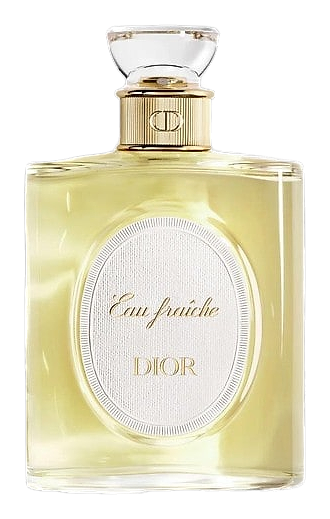
Eau Fraîche was Christian Dior's own personal scent, created in 1955 by Edmond Roudnitska. The original formula leaned on a crystalline lemon opening, a basil and tarragon accord that gave it an herbaceous backbone, and a vetiver drydown that earned its place without ever showing off. It was a cologne, a member of the fresh fragrance category, and it carried a quiet ambition in its structure. The citrus hit first, sharp and almost bracing, then the green herbs unfurled beneath it, giving the whole composition a cool, garden-cut quality. The vetiver at the base didn't announce itself, it just settled in like it had always been there.
What makes this composition interesting is what it leaves out. The structure is spare, almost ascetic by modern standards, with each note carrying weight that might otherwise be spread across a dozen materials. A three-note top, a one-note heart, a two-note base, and every element earns its place. The petitgrain gives the citrus opening a leafy, slightly bitter green edge rather than the sweet sparkle you'd expect from a typical cologne. The lavender in the middle doesn't compete with anything because nothing else is there to compete with it.
The evolution
The first five minutes are all citrus, sharp and immediate, lemon and bitter orange colliding with the green bite of petitgrain. Then something unexpected happens. The lavender doesn't arrive politely. It takes over. The sharpness softens into something cooler, more herbal, almost camphorous, and the composition feels like it belongs in an apothecary rather than a summer garden. The lavender holds court for a solid hour, maybe longer, before the patchouli starts pulling the whole thing downward. The vetiver follows close behind, and the drydown settles into something warm and earthy. The final hours belong to the base, a quiet, mossy vetiver with patchouli's depth underneath, and the whole composition wears close to the skin, intimate rather than declarative.
Cultural impact
Eau Fraîche's return is part of the Les Dioriginals collection, an archival revival project from the house. The collection positions this release alongside other Dior archival reissues, giving collectors and longtime fans a reason to compare the 2026 reformulation against memory and against whatever versions they've encountered over the years. The format itself, a cologne with real structure, a real base, a real presence on skin, feels like a deliberate choice in a market that often tilts toward sweetness and sheer volume.
The House
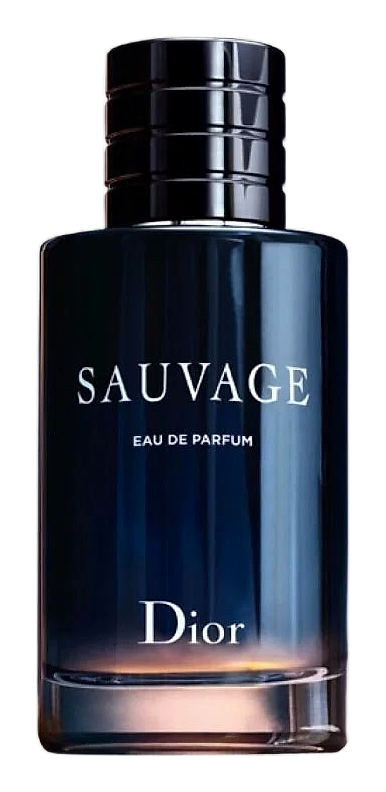
DiorChristian Dior launched his first fragrance, Miss Dior, the same year he showed the revolutionary New Look in 1947. The house has since built one of the most comprehensive luxury fragrance portfolios in existence, from the masculine reinvention of Sauvage to the couture exclusivity of La Collection Privée. Under perfumer François Demachy, Dior balances mainstream appeal with genuine artistry.
The Creator
Francis KurkdjianFrancis Kurkdjian's signature style is characterized by a remarkable luminosity and a sophisticated elegance. He often employs a radiant, almost translucent quality in his compositions, even when working with rich or dense materials.