
The Story
Why it exists.
The beginning
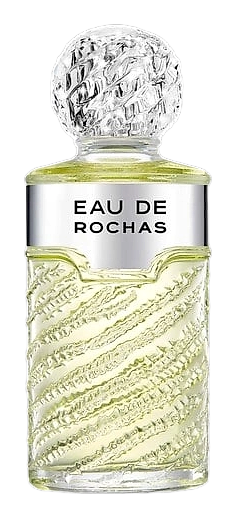
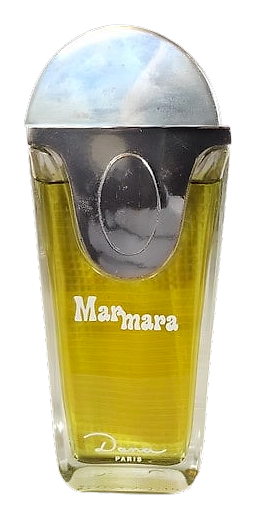
Marmara arrived in 1973 from Dana, a house with roots in European perfumery and a catalog shaped over several decades by the time this fragrance came to market. By the early 1970s, Dana had assembled a varied line that included orientals like Tabu alongside lighter, greener fare, each composition carrying a sense of intention rather than indifference. Marmara belongs to the greener, more aromatic corner of that catalog: a green, floral composition for women with a breezy, lifted character that breaks from the denser, resinous territory of the brand's oriental offerings. The juice itself reads almost chartreuse in tone, and that visual cue aligns with the way it behaves on skin, bright, herbal, and inviting rather than weighted down by amber or balsam.
What makes Marmara's structure worth noticing is the way it balances its lighter elements with enough base notes to earn its staying power. The opening reads like a classic cologne accord: bergamot, lemon, lavender, and basil arriving bright and clean, herbal and slightly soapy in their lift. But the composition doesn't stay there. The heart and base pull it into proper floral-green territory through carnation, violet, and a layer of spicy accords that lend warmth and weight. Beneath that sits a foundation of cedar, labdanum, musk, heliotrope, and moss, each note doing quiet structural work.
The evolution
The first stretch after application belongs to the entrance. Bergamot and lemon arrive first, sharp and clean, with lavender and basil pulling in behind them to create a soapy-green curtain that feels like stepping through a garden gate. There's a brightness here that almost reads as cologne: crisp, slightly bitter, very alive on skin. Soon after, the lavender starts to sweeten as the basil recedes, and a warm carnation-violet heart moves into the foreground. The carnation is the pivot point of the entire wear, spicy and clove-adjacent, giving the green opening a rounded, almost powdery center that softens the sharper herbal edges. As the hours go on, the base settles in: cedar and labdanum add a warm, ambered wood, moss brings the green back down to earth, and heliotrope drops in a soft, almond-like sweetness underneath the musk.
Cultural impact
Marmara holds an interesting position within 1970s women's perfumery. It's a green-aromatic composition with a structure that draws on herbal and cologne traditions, offering something distinct from the heavier orientals and dense florals that defined much of the era's mainstream offerings. Wearers familiar with the fragrance describe it as something of a time capsule, a composition that feels crafted with attention to detail rather than churned out for mass consumption. Its herbal-cologne opening gives it a confident casualness, while the carnation-violet heart and mossy-labdanum base provide enough complexity to reward closer attention.