The Story
Why it exists.
The beginning
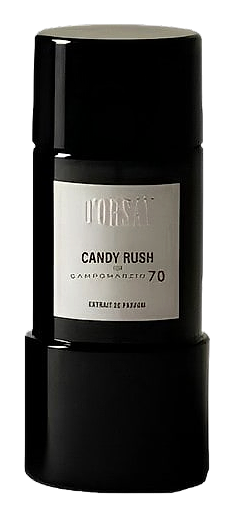
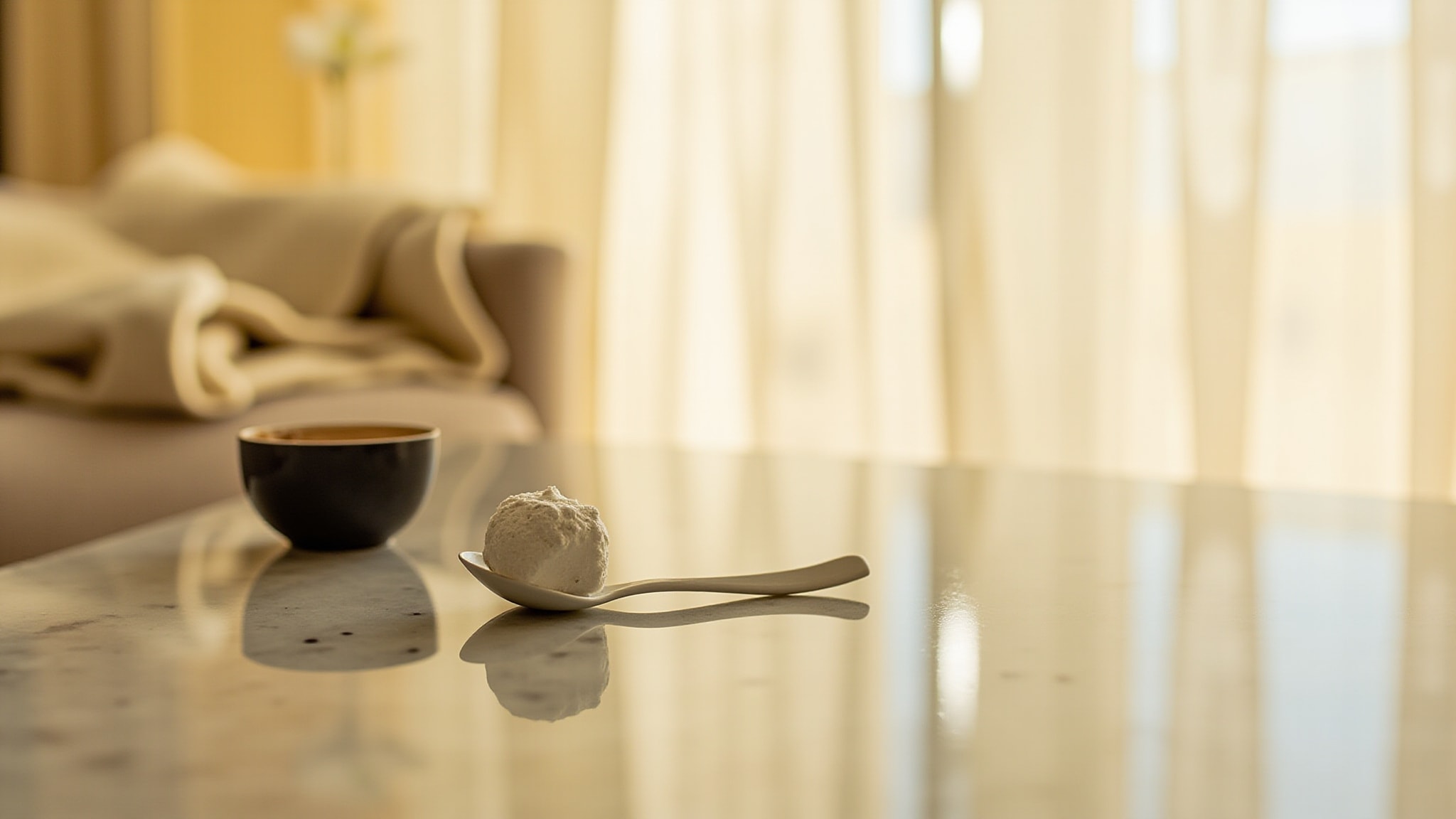
Patrice Revillard built Candy Rush around a single image: an addictive treat. Not a fruit, not a pastry, something closer to a soft, white confection held just out of reach. D'ORSAY released the Extrait de Parfum in 2026, developed as a Campomarzio 70 exclusive before reaching the Boutique d'Orsay in Paris. Revillard's composition anchors marshmallow in iris, neroli, and benzoin, then lets ambroxan and sandalwood take over once the marshmallow softens the room. The result reads as gourmand from the first spray, but the drydown belongs to someone who knows what they're doing. There's a discipline in the way the sweetness behaves. It never tips into syrup, never collapses into something cloying.
What's unusual here is how the composition handles the line between confection and skin. Revillard places marshmallow in the top tier alongside iris and neroli, two materials that traditionally carry the opening on their own. The result is a first 15 minutes that reads as edible rather than perfumed. Benzoin enters the heart with its resinous warmth, and vanilla deepens the plushness while orange blossom adds a sunlit counterweight.
The evolution
The first 30 minutes belong to marshmallow, unapologetically. It's powdered, creamy, and almost edible, lifted by neroli's green flicker and iris's dusty cool. There's a moment, around the 40-minute mark, where the composition seems to shift identities entirely. The marshmallow recedes, orange blossom and benzoin take the wheel, and the whole thing suddenly smells closer to a honeyed skin scent than a candy. Vanilla arrives in the next hour, warm and unambiguous, blending with the benzoin until the composition feels like something between a sugar sachet and warm fabric. Ambroxan takes the remaining sweetness and steers it toward a clean, musky sandalwood that clings to skin. The transition is unhurried, almost cinematic, and it rewards patience.
Cultural impact
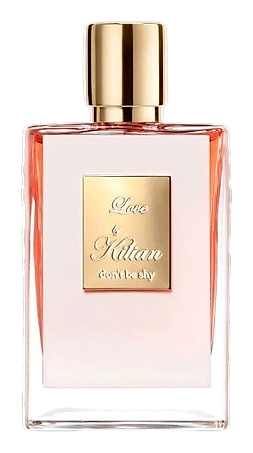
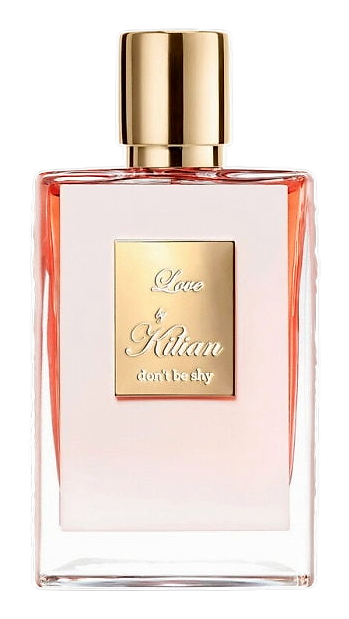
Wearers tend to describe Candy Rush in terms of intimacy rather than performance. The marshmallow-orange blossom pairing gives it a softness that reads as personal, almost self-addressed, the kind of scent someone reaches for when they want to feel at ease in their own skin before anyone else enters the room. It belongs to a contemporary gourmand conversation that includes references like Kilian's Love Don't Be Shy, but Candy Rush carries its sweetness with a powdery, almost whispered quality that keeps it from feeling theatrical.
The House
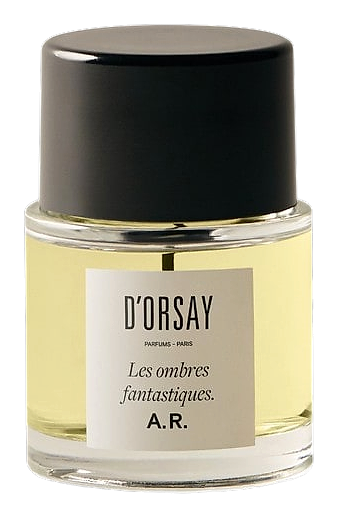
D’ORSAYD’ORSAY is a Paris‑based perfume house that balances historic romance with contemporary sensibility. Founded in the early nineteenth century, the brand has built a catalogue that includes vintage icons such as Intoxication d’Amour (1942) and modern releases like Tonka Hysteria (2024). Its fragrances are crafted for anyone who enjoys nuanced scent journeys, whether worn day or night. The house continues to publish candles and diffusers that echo the same olfactory language, offering a curated portal into French perfume heritage.
The Creator
Patrice RevillardRevillard's work demonstrates comfort with tension and contrast. His compositions range across woody, ambery, and floral territories, but what unites them seems to be an willingness to incorporate unexpected sharpness.