
The Story
Why it exists.
The beginning
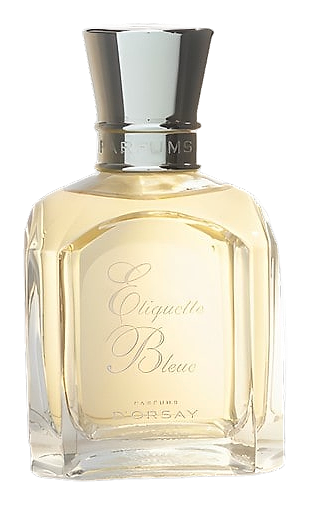
Etiquette Bleue arrived in 1993, composed under the direction of the house that has always understood scent as something intimate rather than ornamental. The fragrance takes its name from the formal etiquette that once governed correspondence in Parisian high society: private, deliberate, addressed only to its intended recipient. That framing, scent as private communication, runs through the composition like a current. It was never meant to announce itself. It was meant to be noticed by the right person, in the right moment, when proximity made everything else fall away. The name itself carries that sense of exclusivity, of messages meant for one reader alone, and the perfume behaves accordingly. There is nothing performative about the way it exists in a room.
The structure is unusual for its era: a citrus opening that doesn't evaporate into nothing, held by resins that give it weight and persistence. The myrrh and opoponax anchor the heart in a way that feels almost medieval, warm, slightly bitter, the kind of material that smells like it's been around longer than perfume itself. Brazilian rosewood appears twice, bridging heart and base, which gives the whole thing a continuity that few fragrances of this style bothered to attempt. The ambergris in the base isn't loud.
The evolution
The opening hits sharp and immediate: bergamot and Amalfi lemon, with rosemary cutting through like a green thread. There's a preserved quality to the citrus, slightly salty, almost umami, that comes from the way the resins frame it. Within twenty minutes the orange blossom takes over, but it doesn't perform. It simply arrives, quieter than the opening, warm rather than sweet. The heart holds steady as myrrh and opoponax do the slow work of deepening everything around them, creating a warm, resinous core that shifts gradually rather than dramatically. Then the handoff: sandalwood settling into skin, ambergris lifting just enough to keep the whole thing from going flat. What follows is a soft wood-and-resin trace that doesn't project aggressively but doesn't disappear either.
Cultural impact
Etiquette Bleue occupies a particular place in fragrance culture, appreciated by those who found it and continue to reach for it. It lacks the widespread recognition of some historic houses but has earned something quieter and more personal: the kind of devotion that comes when a fragrance feels made specifically for the person wearing it. For its admirers, Etiquette Bleue represents a certain idea of what perfume can be when it prioritizes intimacy over impact, when it trusts the wearer enough not to shout. It is one of the house's clearer expressions of that philosophy, and for those drawn to it, that clarity is exactly the point.
The House
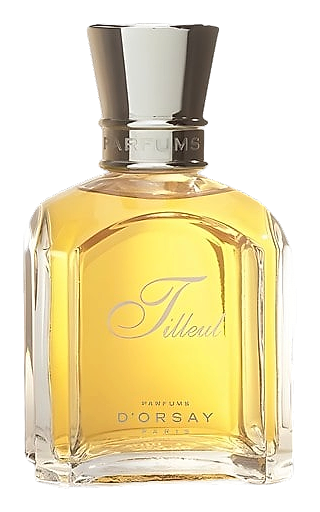
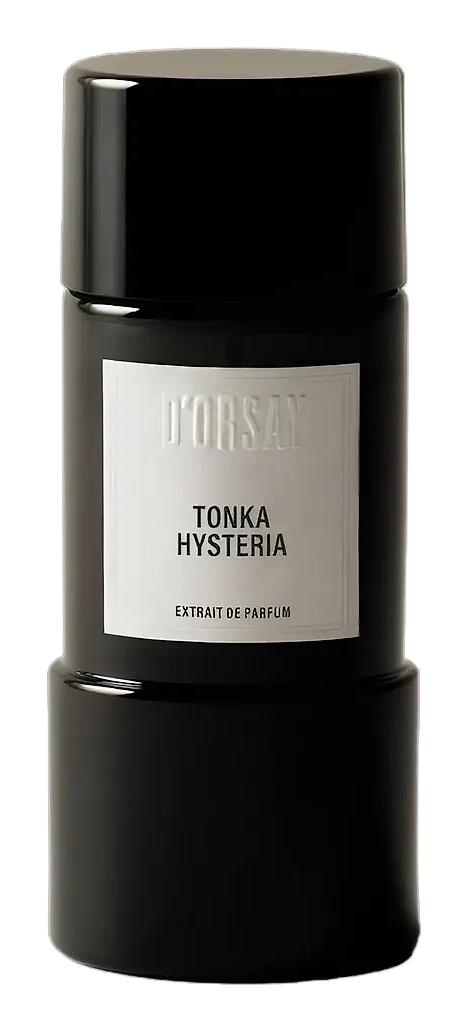
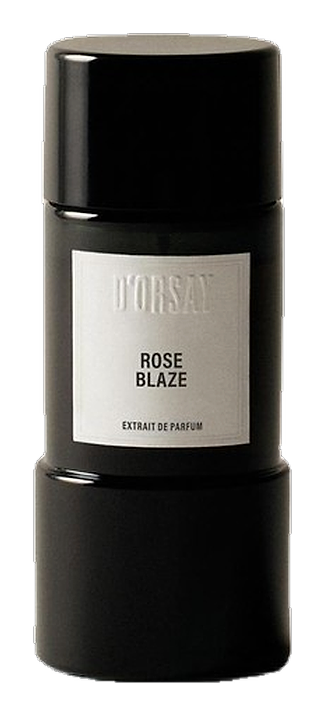
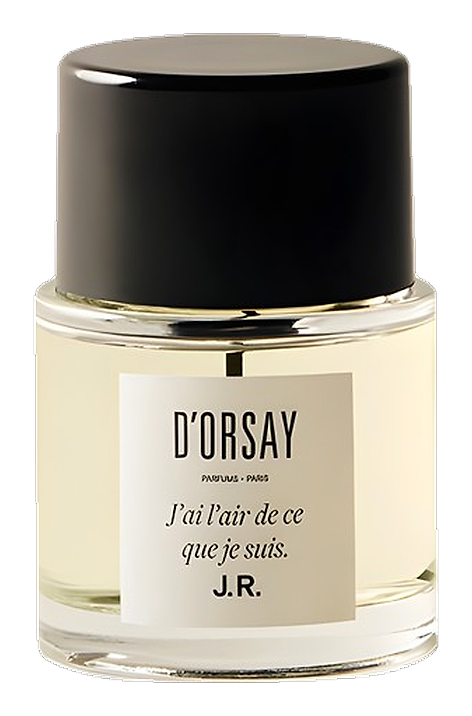
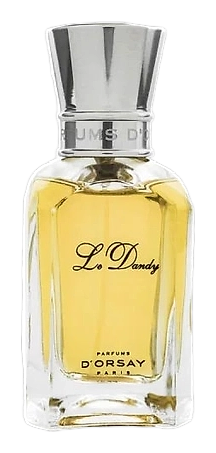
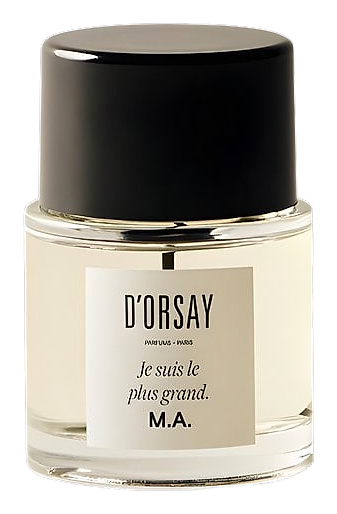
D’ORSAYD’ORSAY is a Paris‑based perfume house that balances historic romance with contemporary sensibility. Founded in the early nineteenth century, the brand has built a catalogue that includes vintage icons such as Intoxication d’Amour (1942) and modern releases like Tonka Hysteria (2024). Its fragrances are crafted for anyone who enjoys nuanced scent journeys, whether worn day or night. The house continues to publish candles and diffusers that echo the same olfactory language, offering a curated portal into French perfume heritage.
The Creator
Alfred D'OrsayD'Orsay's approach to fragrance composition was fundamentally narrative rather than technical. He favored bold, assertive materials that projected presence and longevity, qualities that served his desire for a scent capable of following its wearer through a full day.