The Story
Why it exists.
The beginning
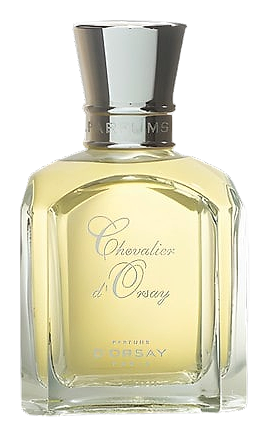
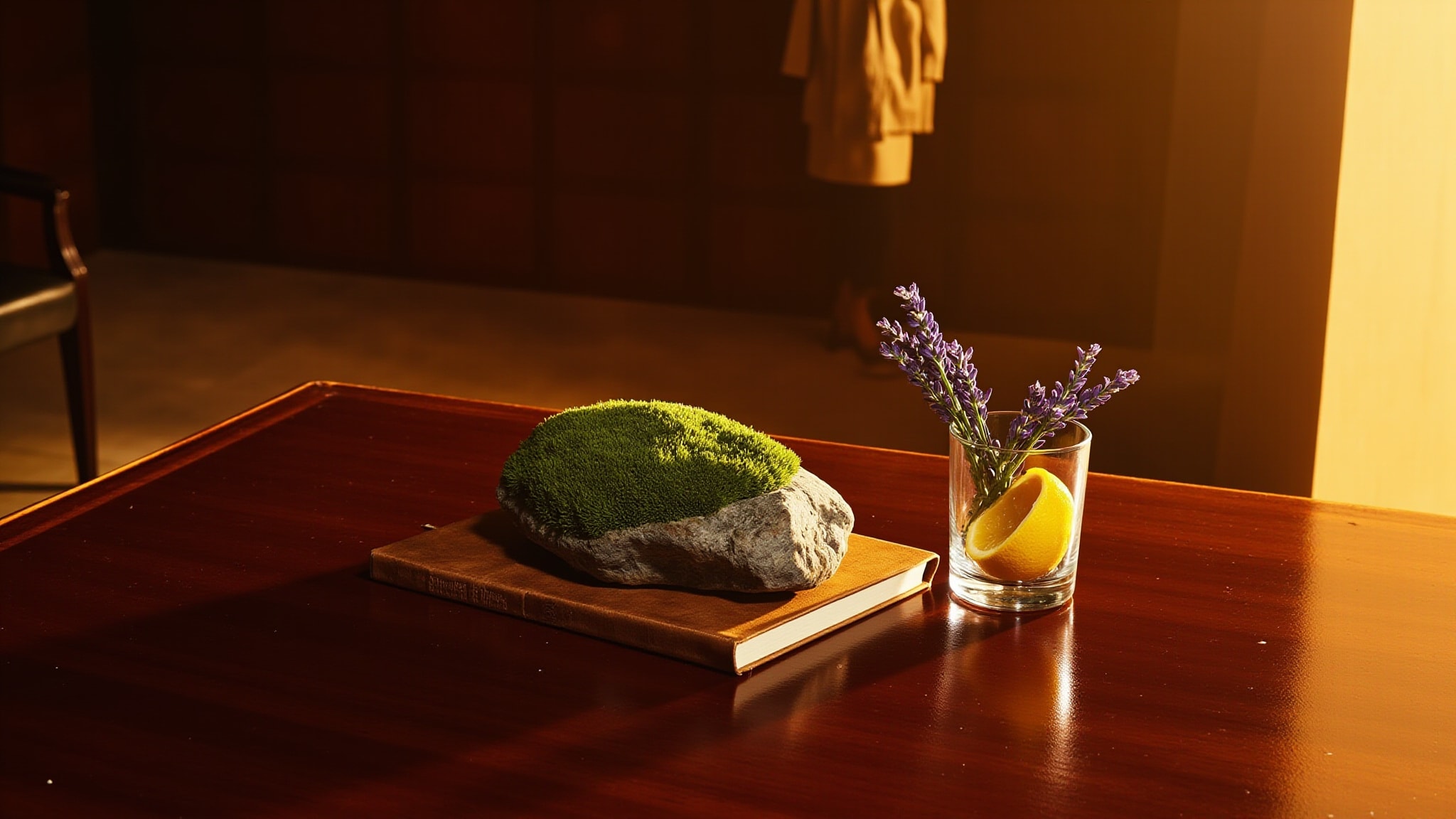
Chevalier d'Orsay arrived in 1911, a cologne named for Count Alfred d'Orsay, the French aristocrat who founded the house and believed that perfume should be a private statement before anything else. The launch year places it squarely in the era when masculine fragrance was being redefined: heavier bases dominated, but some perfumers were already reaching for something brighter, more aromatic, more direct. This was one of them. The perfumer's name didn't survive the archives, but the intent did. A cologne that refused to apologize for being a cologne. Lavender as the lead, not the supporting act. Citrus and herbs to open. Warm spice to follow. Oakmoss to ground it. The 1911 launch wasn't an accident, it was a statement about what masculine elegance could smell like when stripped of excess.
What makes the structure unusual is the deliberate inversion of the typical cologne pyramid. Most water-based colognes of that era opened bright and faded fast, offering citrus and little else. This one uses lavender as the structural anchor, present from the opening through the drydown, which gives the composition a green, almost herbal backbone that most contemporaries avoided. The heart brings nutmeg, cinnamon, and black pepper: warm spice that wasn't yet standard in masculine compositions. Then the base, where oakmoss and patchouli create an earthy, mossy foundation that recalls the chypre tradition, with vanilla softening the edges.
The evolution
The opening announces itself quickly, citrus, basil, a flash of lavender that reads green rather than sweet. Amalfi lemon cuts sharp and clean for the first twenty minutes, while the herbs underneath keep it grounded. The transition to the heart isn't a hard cut. It's more like a conversation shifting registers: the citrus softens, the mint arrives to cool things down briefly, then nutmeg and cinnamon build in warmth. The black pepper adds a faint prickle, barely there but noticeable if you're paying attention. By the second hour, the drydown takes over. Oakmoss arrives, true mossy depth, not a mossy accent, and musk settles close to the skin. Patchouli adds earth. Vanilla rounds it out, just enough to keep it from becoming austere. This is where the 1911 craftsmanship shows. Six to eight hours of mossy warmth on skin, leaning intimate rather than projecting. The next morning, faint traces of oakmoss and vanilla on fabric. Not loud. Just present.
Cultural impact
Chevalier d'Orsay remains a reference point for what masculine fragrance looked like before the barbershop era ended. Its lavender-forward structure reads differently in a modern context, less nostalgic, more intentional. The aromatic spiciness appeals to those seeking classical masculinity without imitation. It's the kind of fragrance a man might inherit from a father or discover in an old bottle, then choose deliberately because it speaks to a specific idea of elegance.