The Story
Why it exists.
The beginning
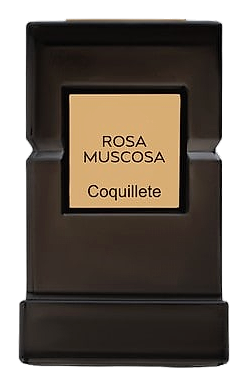
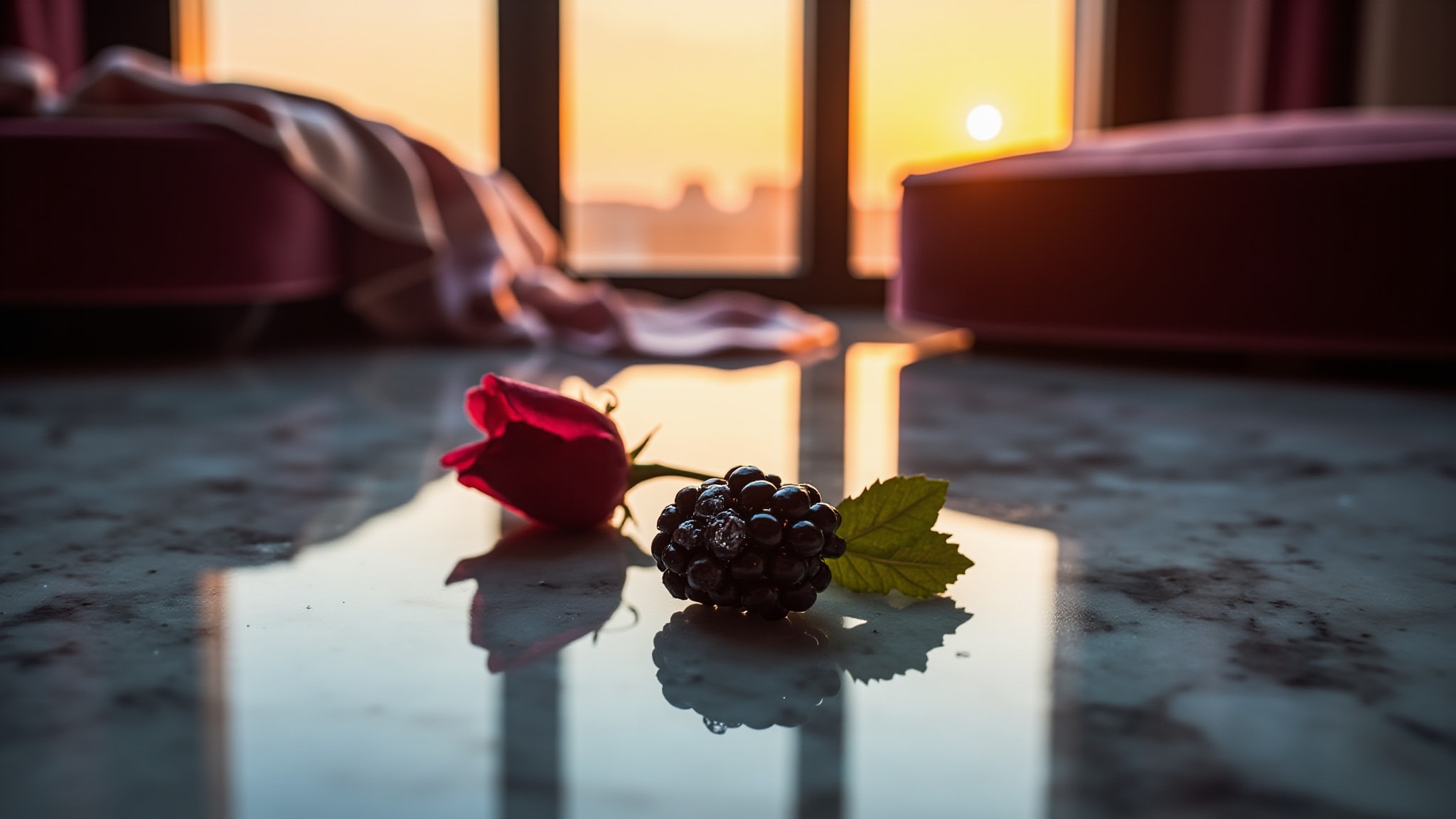
Rosa Muscosa arrived in 2017 as part of Coquillete's numbered collection, specifically the Coquilette n.7 lineup, where the rose was intended to behave like a character rather than a supporting player. The perfumers behind it, Elise Juarros and Rosa Vaia, wrote the composition with the rose positioned as a protagonist who loses her lead role the moment peach velvet, blackberry juice, and sour cassis walk onto the set. The name itself signals an intention: rather than reaching for the sunlit, dewy rose that most rose fragrances tend toward, the composition leans into something denser and more grounded from the first spray.
The architecture around the rose is what gives this composition its particular weight. Turkish rose anchors the heart, but it shares the stage with patchouli, violet, and jasmine, a quartet that shapes the composition into something layered rather than a single-note showcase. The fruity opening of blackberry, blackcurrant, geranium, and peach isn't decorative. It sets up a contrast the brand leans into directly: shy violet opposite seductive jasmine, earthy geranium pulling back toward pure rose. That push-and-pull between innocence and something warmer is where the fragrance earns its keep.
The evolution
The opening phase of Rosa Muscosa feels almost like a different perfume from what settles in later. Blackberry and peach land first, sweet and rounded, with a tart lift from blackcurrant that keeps things from going syrupy. Geranium threads through quietly, green and slightly sharp, the herbaceous note that hints at what's coming. As the initial sweetness softens, the fruit steps back and the rose arrives, Turkish rather than dewy, dense and a little bruised. Violet folds into the background while jasmine adds a creamy, almost narcotic sweetness, the two florals playing off each other in a way that gives the heart phase a particular richness. Patchouli grounds everything, earthy and dry, pulling the composition downward and lending the rose a darker undertone that prevents it from ever feeling airy. Eventually the fruit recedes entirely, replaced by white musk, vanilla, and amber.
Cultural impact
Rosa Muscosa occupies a particular corner of the rose fragrance conversation. It's a niche composition aimed squarely at rose lovers, and it delivers enough fruit and patchouli to give the central flower real company rather than letting it stand alone. Wearers who gravitate toward rose fragrances with darker, denser character tend to find a lot to engage with here, particularly because the Turkish rose at the heart reads more bruised and earthy than the dewy, translucent roses that dominate much of the category.