The Story
Why it exists.
The beginning
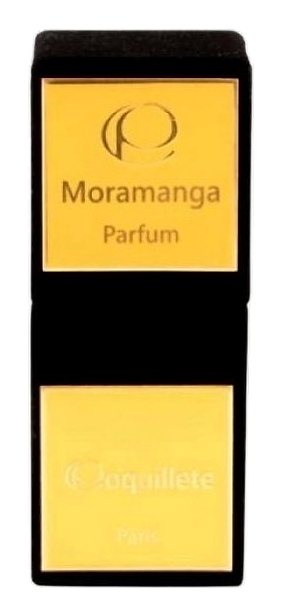
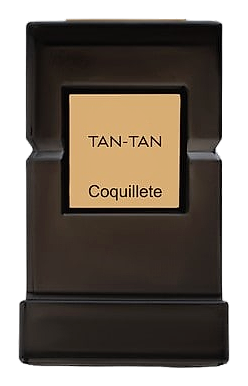
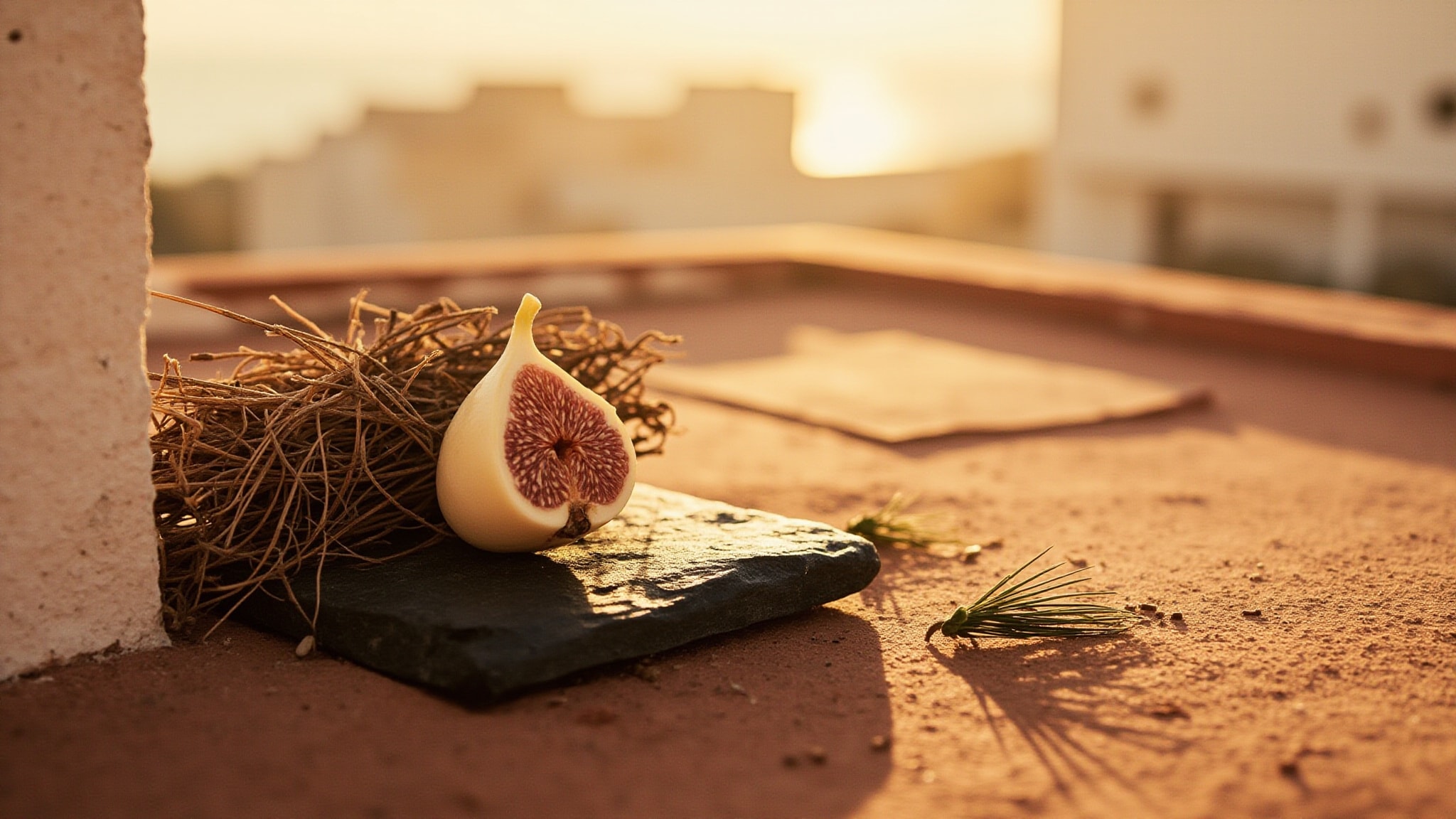
The name carries its own momentum. Tan-Tan, the city in southern Morocco, where trade routes converge and the air smells of heat, dust, and the unexpected. Rosa Vaia and Elise Juarros built the fragrance around that collision. Moroccan white fig, the kind that grows in mountain terraces, partnered with vetiver's mineral depth. Copper and ambergris in the base, not because they needed to, but because they wanted the story to age well. The 2013 release arrived quietly, as most Coquillete work does. No loud campaign. Just a scent that knew what it was.
The fig-vetiver pairing is the structural decision that makes Tan-Tan interesting. Most fig fragrances lean entirely into the creamy, almost lactonic sweetness of the fruit. Tan-Tan refuses. The vetiver from Pakistan arrives at the heart with a sharp, mineral character, pencil shavings, damp earth, a stone left in rain, and it refuses to let the fig get comfortable. This tension doesn't resolve. It coexists. The jasmine and geranium in the heart add a green floral dimension that keeps everything breathing. Leather in the base is the unusual note, not dominant, but present enough to shift the composition from pretty to something with actual character.
The evolution
The opening announces itself quickly, Calabrian bergamot and artemisia arrive before the fig has fully formed, giving the first minutes a bright, herbal clarity that most wearers don't expect. The Moroccan white fig establishes itself around the ten-minute mark, still leafy, still green at the edges, the coconut milk lending a soft milky undertone without tipping into sweetness. The heart is where the vetiver takes over. It doesn't dominate, it reframes. The floral notes (Polynesian jasmine, Chinese geranium) hold their own around the vetiver's minerality, creating a green, aromatic middle that feels both structured and alive. The drydown is the payoff. Fig wood replaces the fresh fruit, sandalwood adds warmth, and the ambergris introduces a quiet animalic depth, not aggressive, but present, the kind of skin-note that reads as personal rather than decorative. Coconut milk keeps it soft. Leather prevents it from disappearing. The sillage settles to intimate within two hours.
Cultural impact
Tan-Tan draws from the aromatic heritage of North African perfumery, where fig and vetiver form the backbone of many traditional scents. The use of Moroccan white fig specifically connects to the centuries-old cultivation of fig trees in the Atlas Mountain region, where these fruits have been prized not just for their sweetness but for their aromatic leaves and wood. The fragrance also nods to Mediterranean herbal traditions, where artemisia, used since antiquity for its medicinal and aromatic properties, adds a distinctly bitter, green dimension. This blend of North African fig with Mediterranean herbs and woody notes creates a scent that feels both rooted in heritage and quietly innovative.