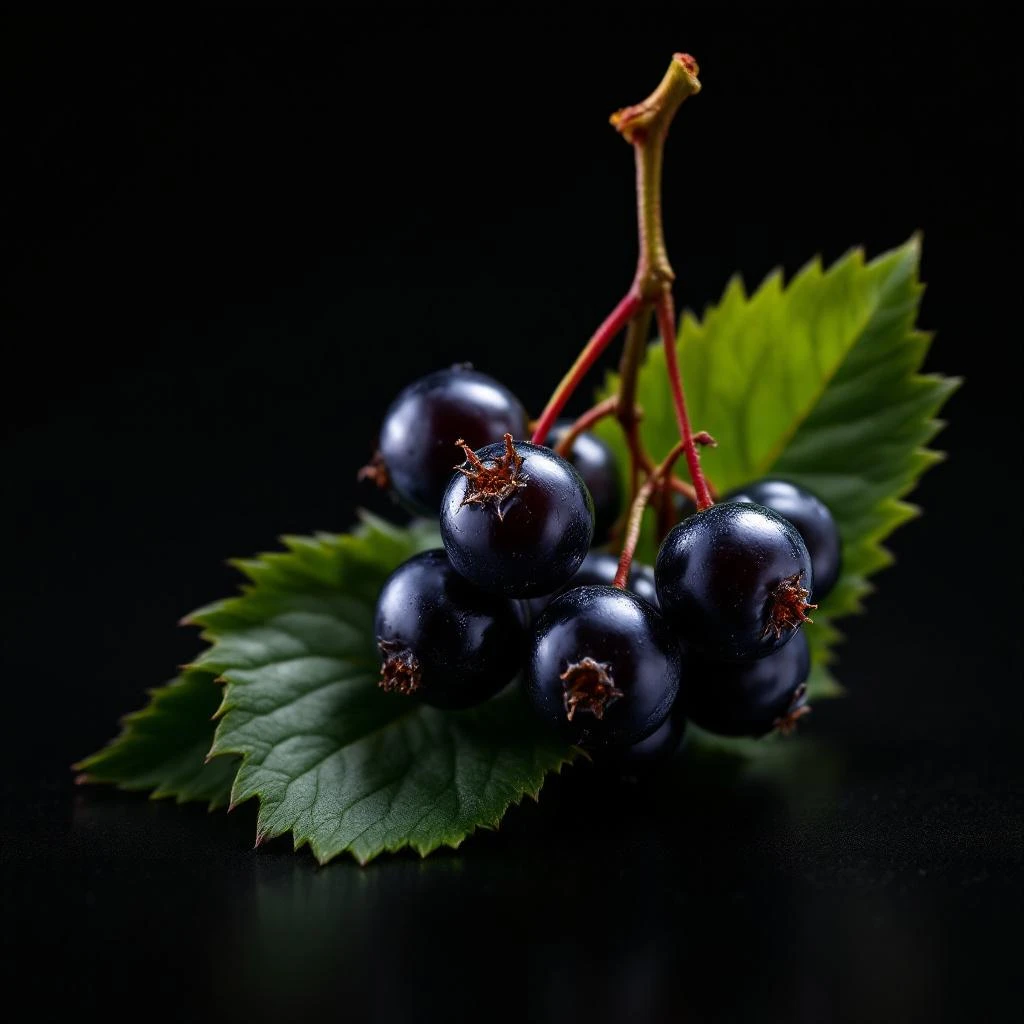
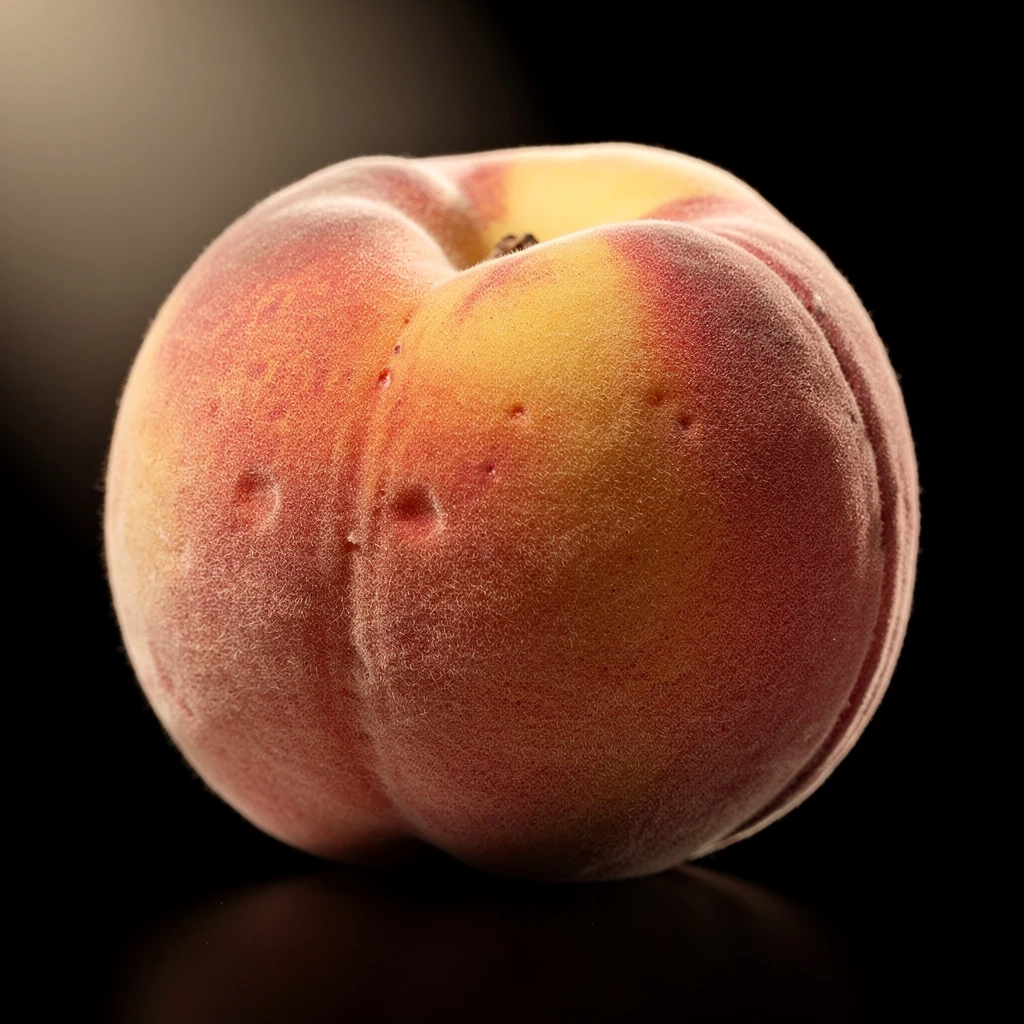
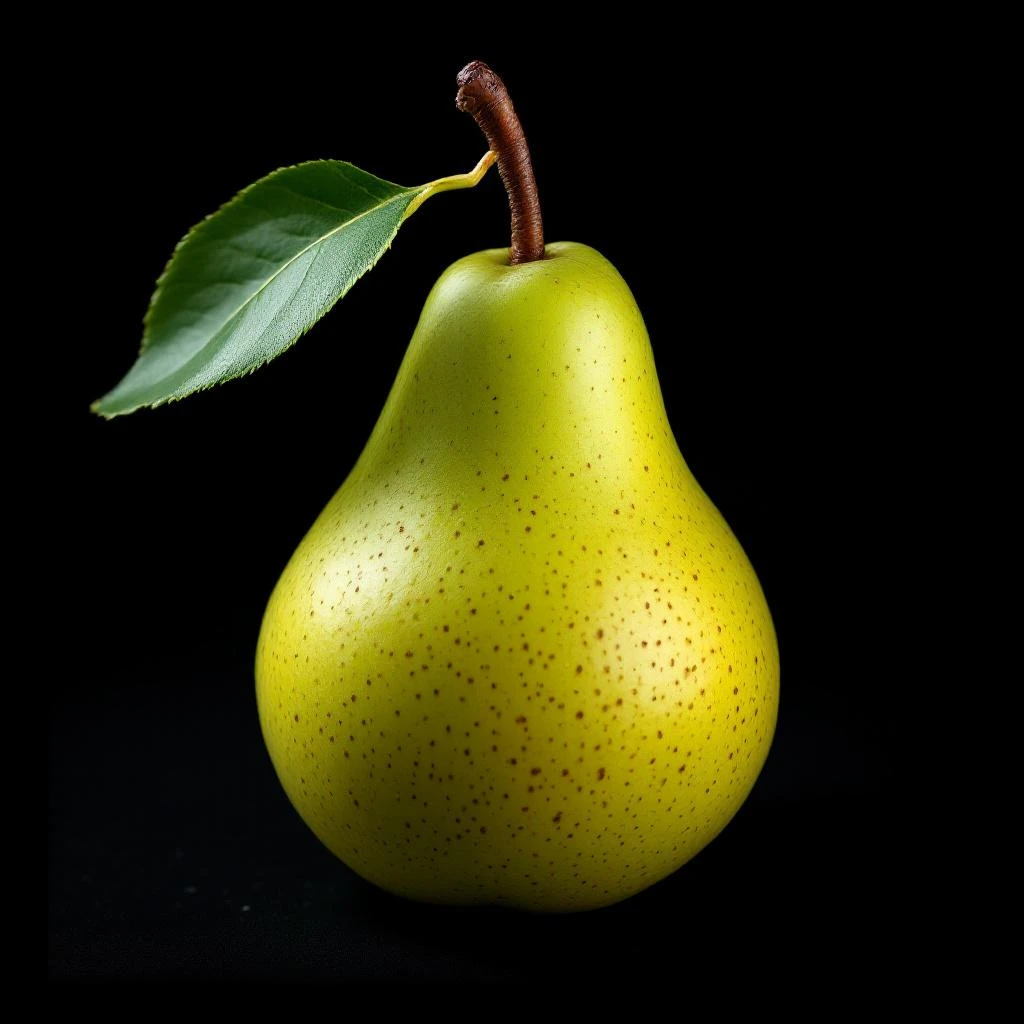
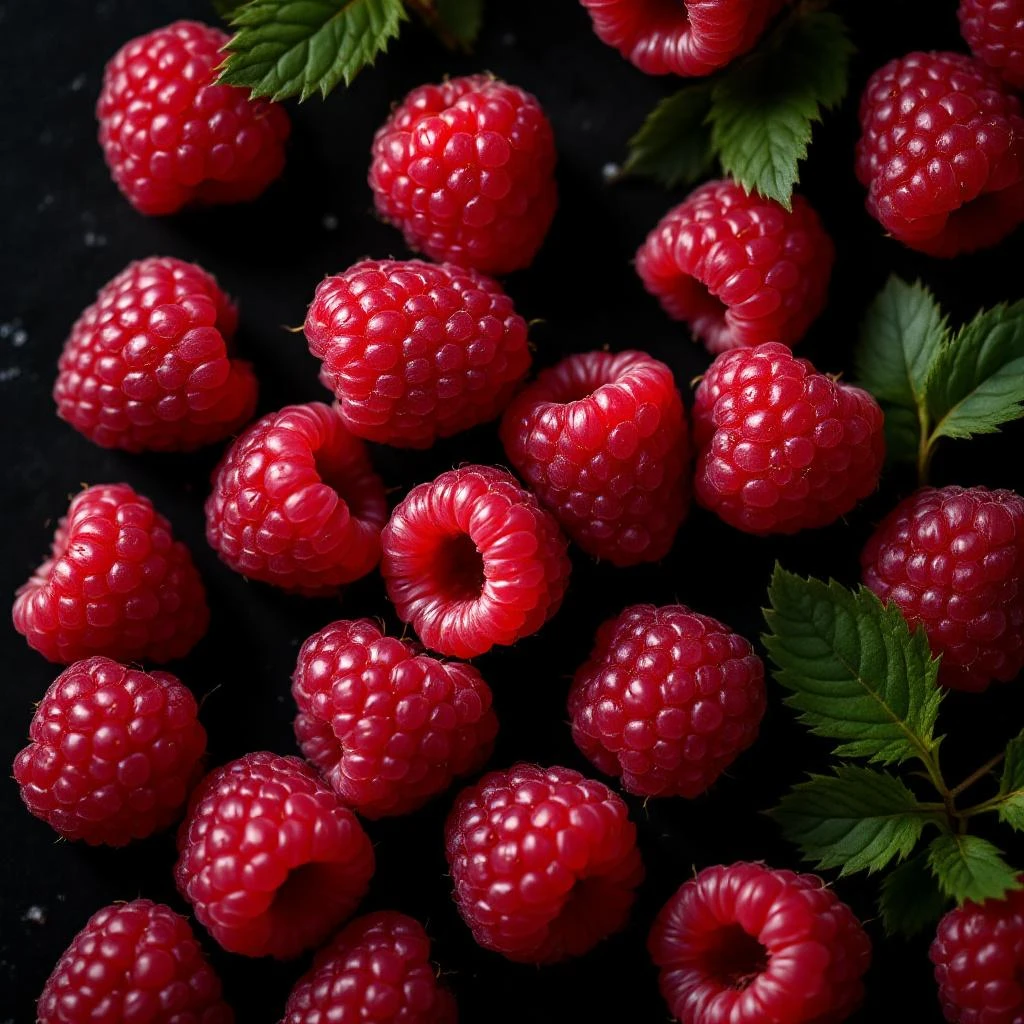
White fig
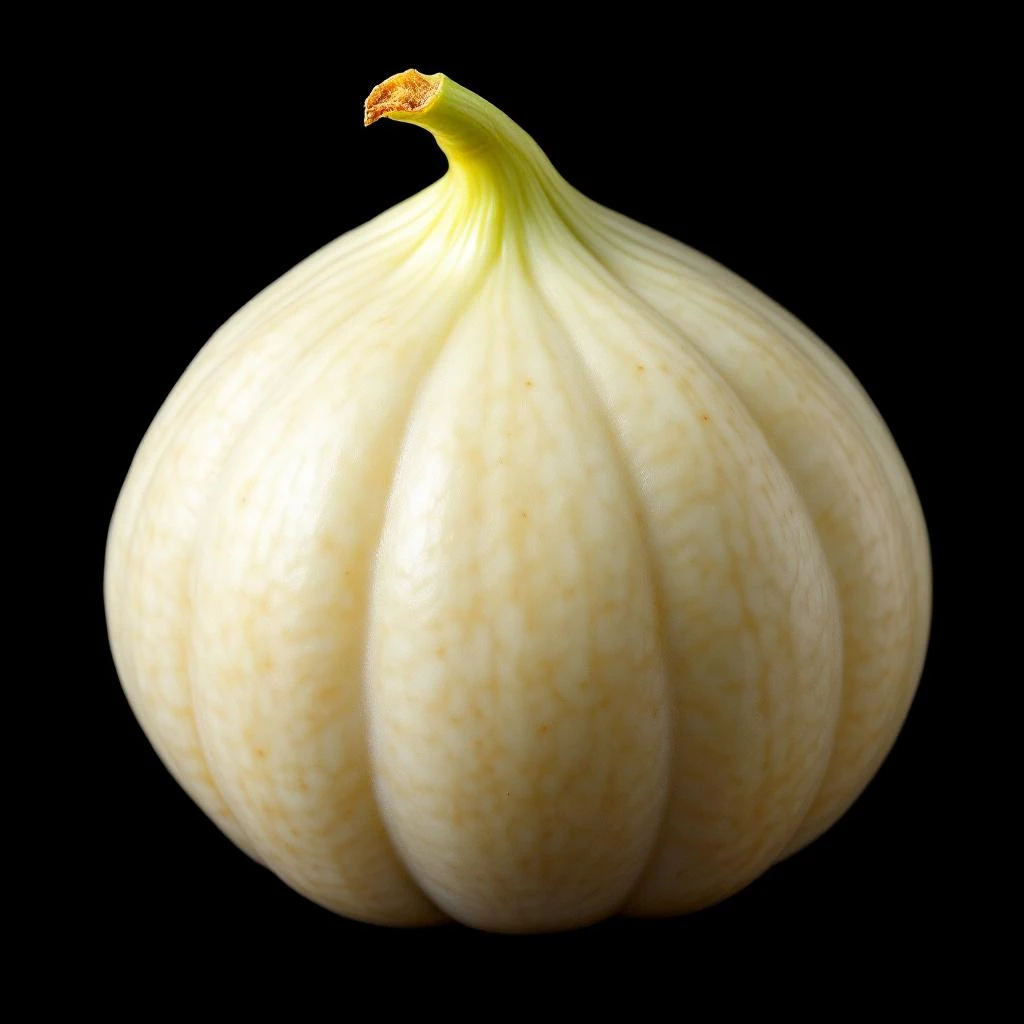
White fig captures the creamy, lactonic sweetness of ripe Mediterranean figs with verdant green leaves and a woody depth that feels both fresh and sensual.
Character
How it smells
Creamy Mediterranean sweetness with lactonic depth.
A single fig tree can produce up to 200 fruits in a season, but perfumers rarely extract the actual fruit scent. They rebuild it from leaves, wood, and synthetics.







Origin
France
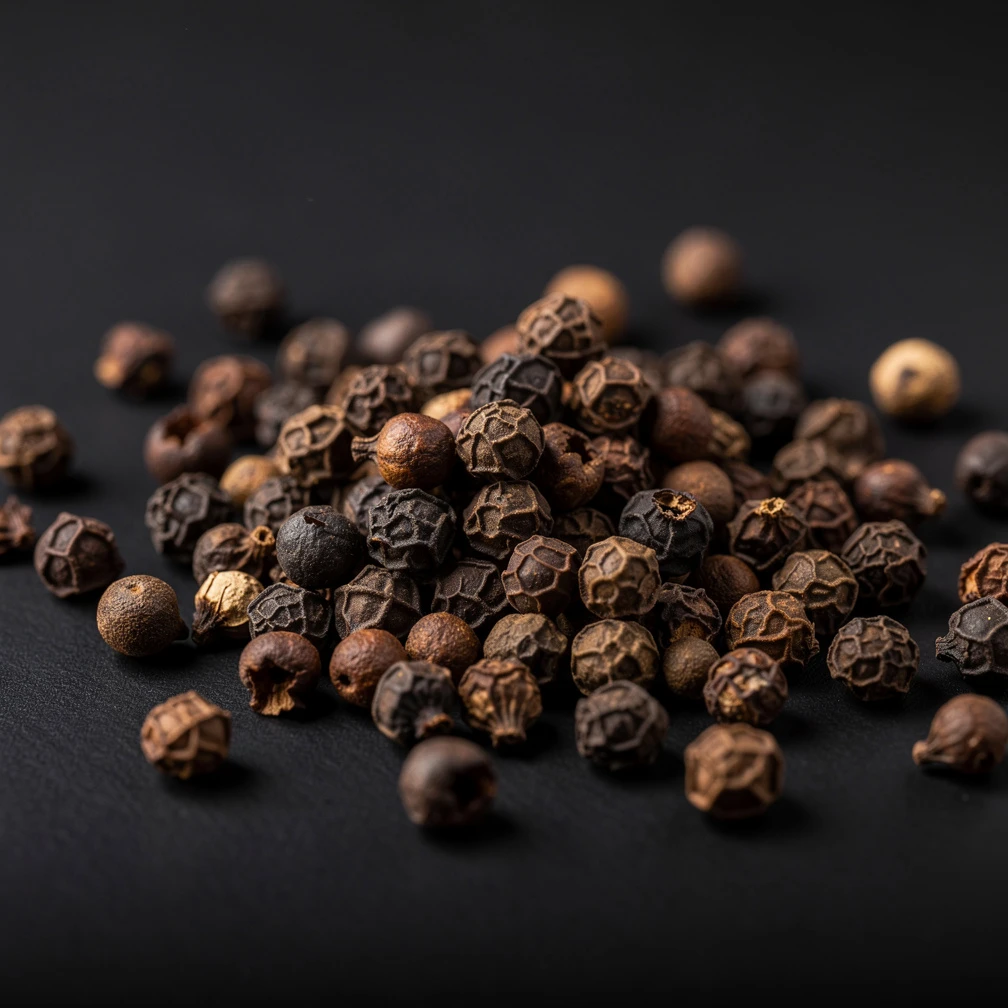
The fig tree holds ancient significance in perfumery. Greeks and Romans burned fig wood in sacred rites, while ancient Egyptians incorporated fig leaf extracts into luxury preparations. The Mediterranean basin, particularly Sicily and southern France, became centers for fig cultivation and early aromatic extraction.
In the 19th century, French perfumers in Grasse refined sequential extraction techniques for fig leaf absolute. Today, white fig remains a cornerstone of green and aquatic fragrances, valued for its ability to evoke sun-warmed orchards and lazy Mediterranean afternoons.
Wears it best
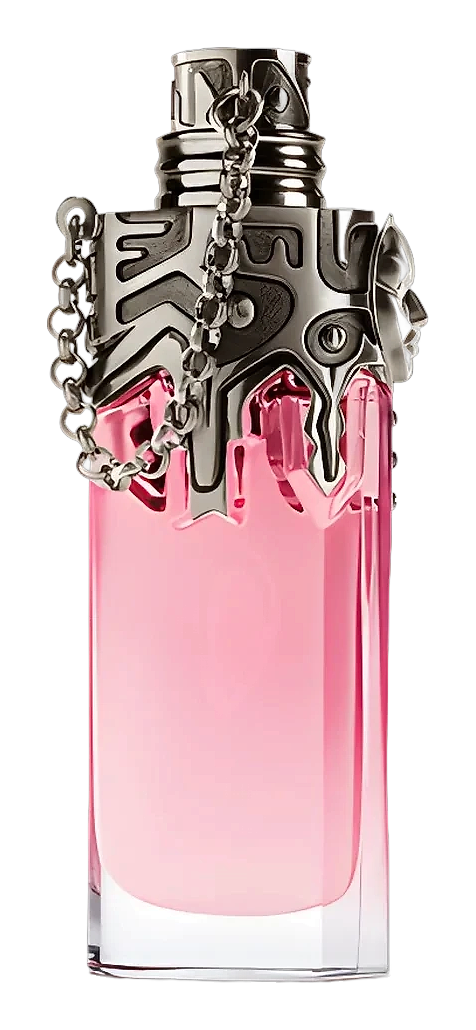
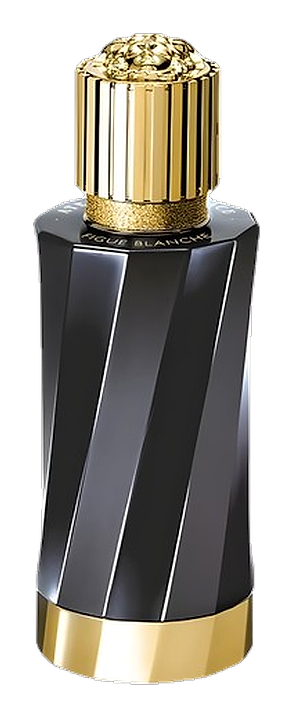
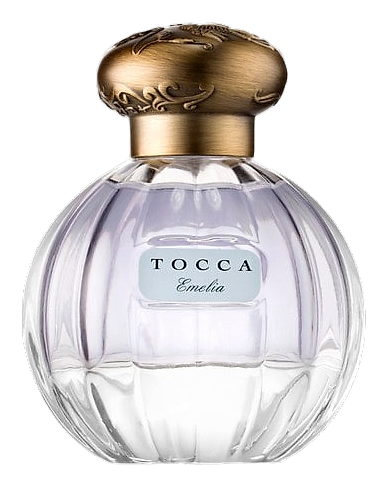
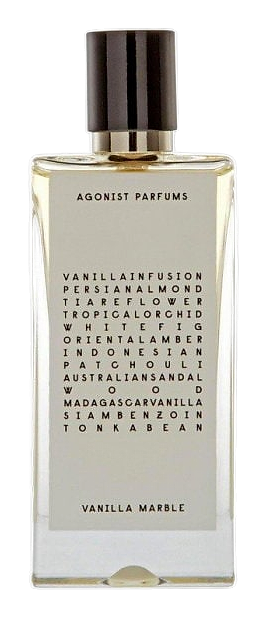
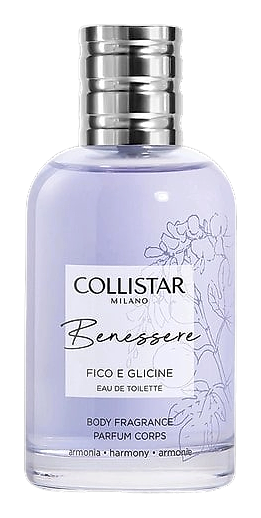
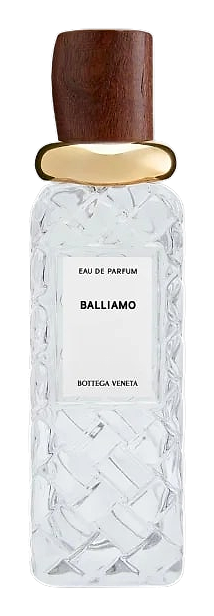
Fragrances featuring White fig

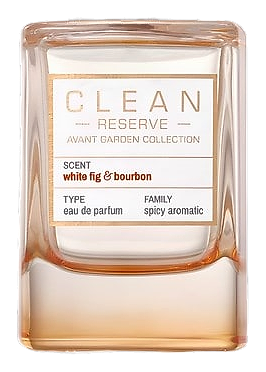
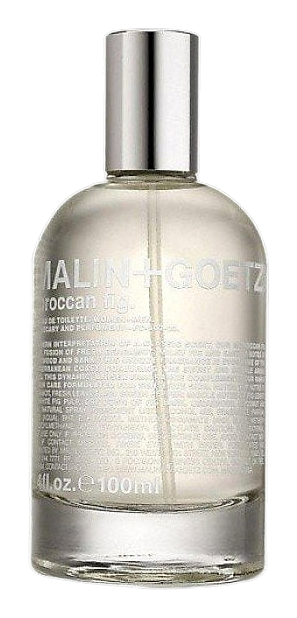
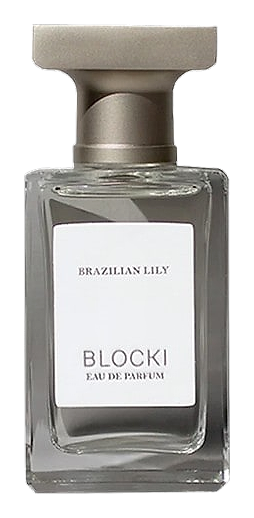
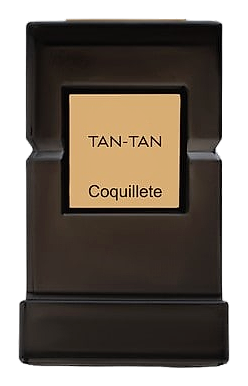
Brands
Brands known for White fig
Good to know
Questions, answered
The essentials on White fig in perfumery: how it smells, where it comes from, and how it behaves on skin.
What does white fig smell like?
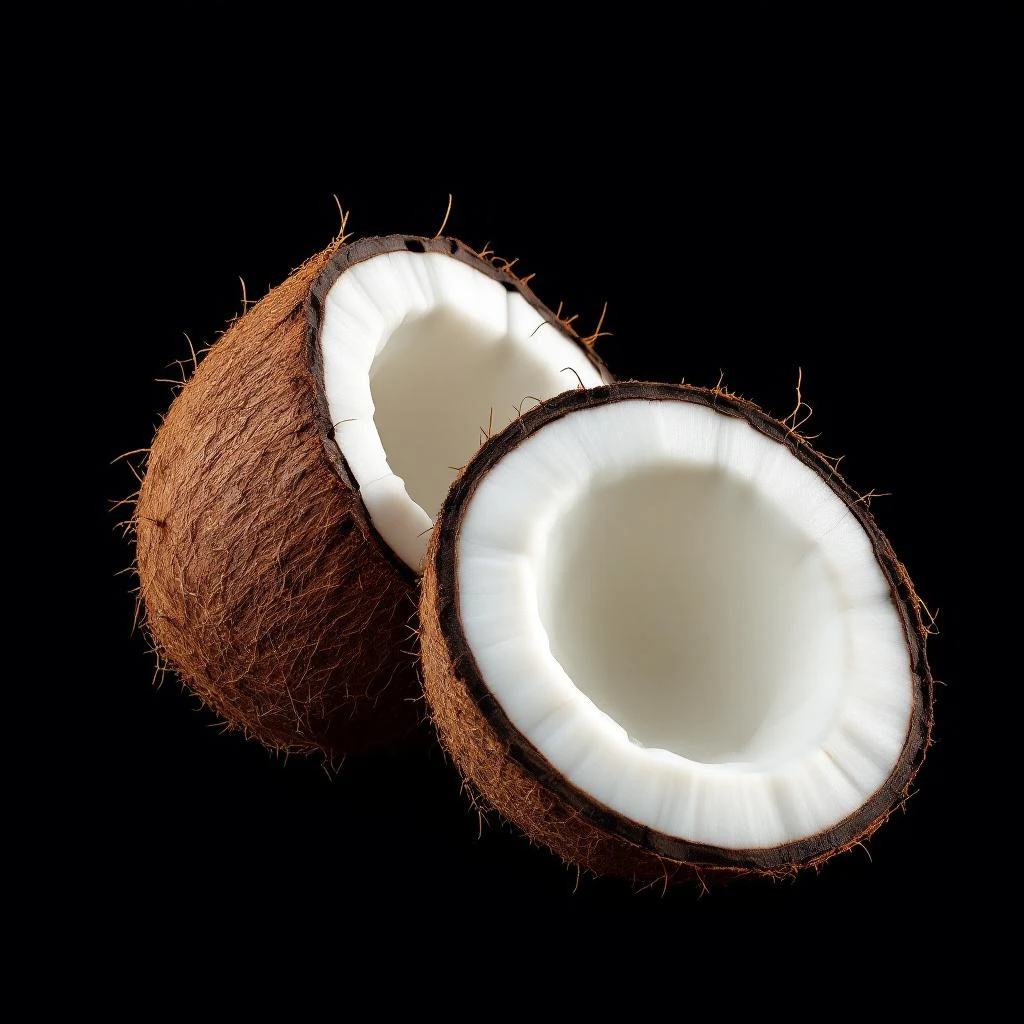
White fig smells creamy and lactonic with coconut-like sweetness, balanced by fresh green leaf notes and a warm woody base. It captures the entire fig tree character, from sun-warmed fruit to verdant foliage.
Is white fig a natural or synthetic ingredient?
White fig typically combines natural and synthetic materials. Fig leaf absolute from France provides green, aromatic qualities through solvent extraction, while coconut-like lactones often come from synthetic sources like gamma-decalactone.
Which fragrance families use white fig?
White fig appears in green, woody, and fresh aquatic fragrances. It pairs well with marine notes, cedar, vetiver, and citrus. The lactonic quality also complements white florals like gardenia and jasmine.
Where does white fig originate?
Mediterranean regions, particularly Sicily and southern France, produce fig trees used in perfumery. French perfumers in Grasse developed fig leaf absolute extraction in the 19th century, establishing the ingredient's modern identity.
How is white fig extracted?
Fig leaf absolute uses sequential solvent extraction, where leaves are processed through multiple solvents to capture different aromatic fractions. Expression, a cold-press technique native to Sicily, extracts oils from leaves and stems without heat.
What parts of the fig tree are used in perfumery?
Perfumers use leaves, stems, and wood for green, aromatic qualities. The fruit itself rarely appears in extraction due to its delicate nature. Instead, perfumers reconstruct the fruit impression using natural absolutes combined with synthetic lactones.
How does white fig perform in fragrance compositions?
White fig works as a heart or base note, providing creamy warmth and green freshness. It has moderate sillage and lasting power, making it versatile for both daytime and evening wear. The ingredient adds complexity without overwhelming lighter compositions.
What makes white fig unique among fruit notes?
White fig uniquely bridges green and sweet categories. Unlike single-note fruit ingredients, it captures an entire botanical character: the milky sweetness of ripe fruit, the crisp freshness of leaves, and the warm woody tones of branches. This complexity makes it a perfumer's versatile tool.