Calabrian Citron
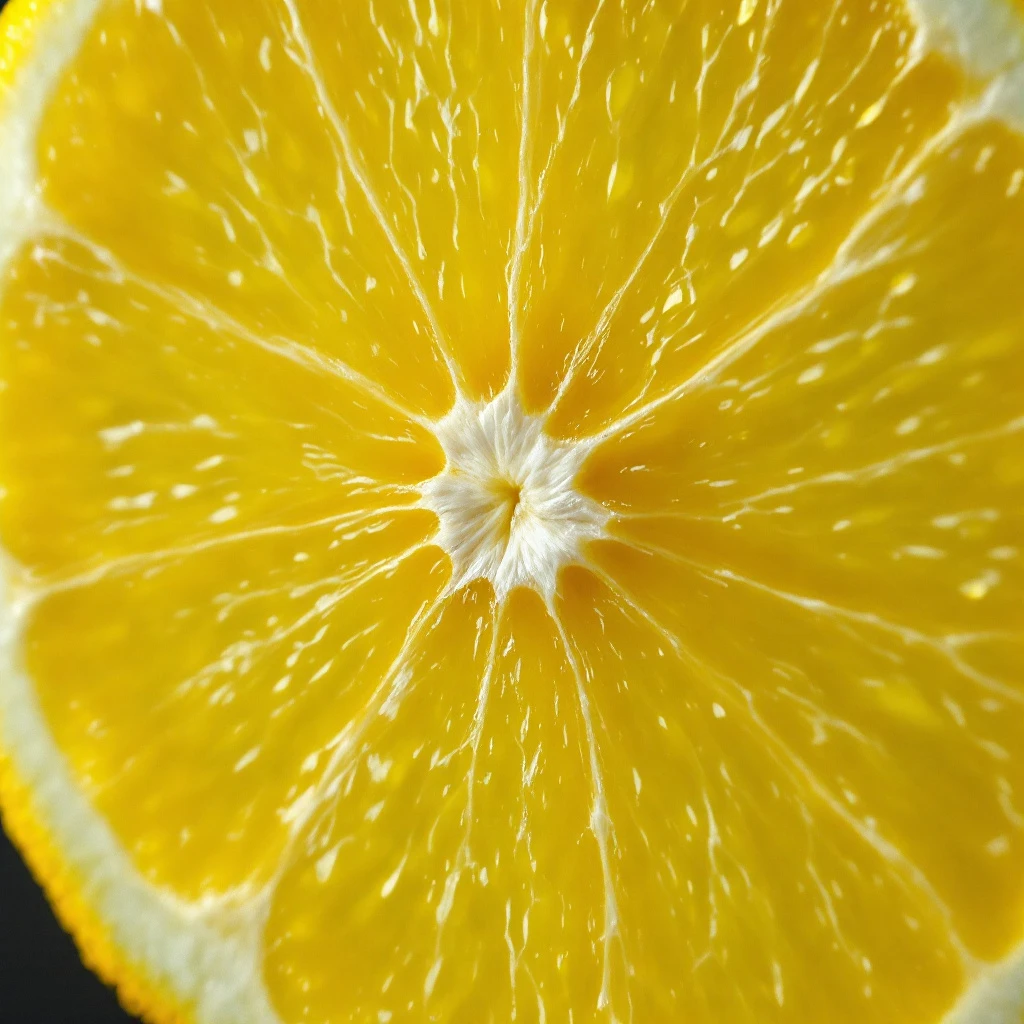
Calabrian bergamot is a rare citrus fruit grown almost exclusively along the sun-drenched Ionian coast of Calabria, Italy. Its essential oil carries a complex character that is simultaneously bright, floral, and subtly spiced. This makes it one of the most prized and versatile ingredients in fine perfumery, lending a luminous freshness that endures on the skin.
Character
How it smells
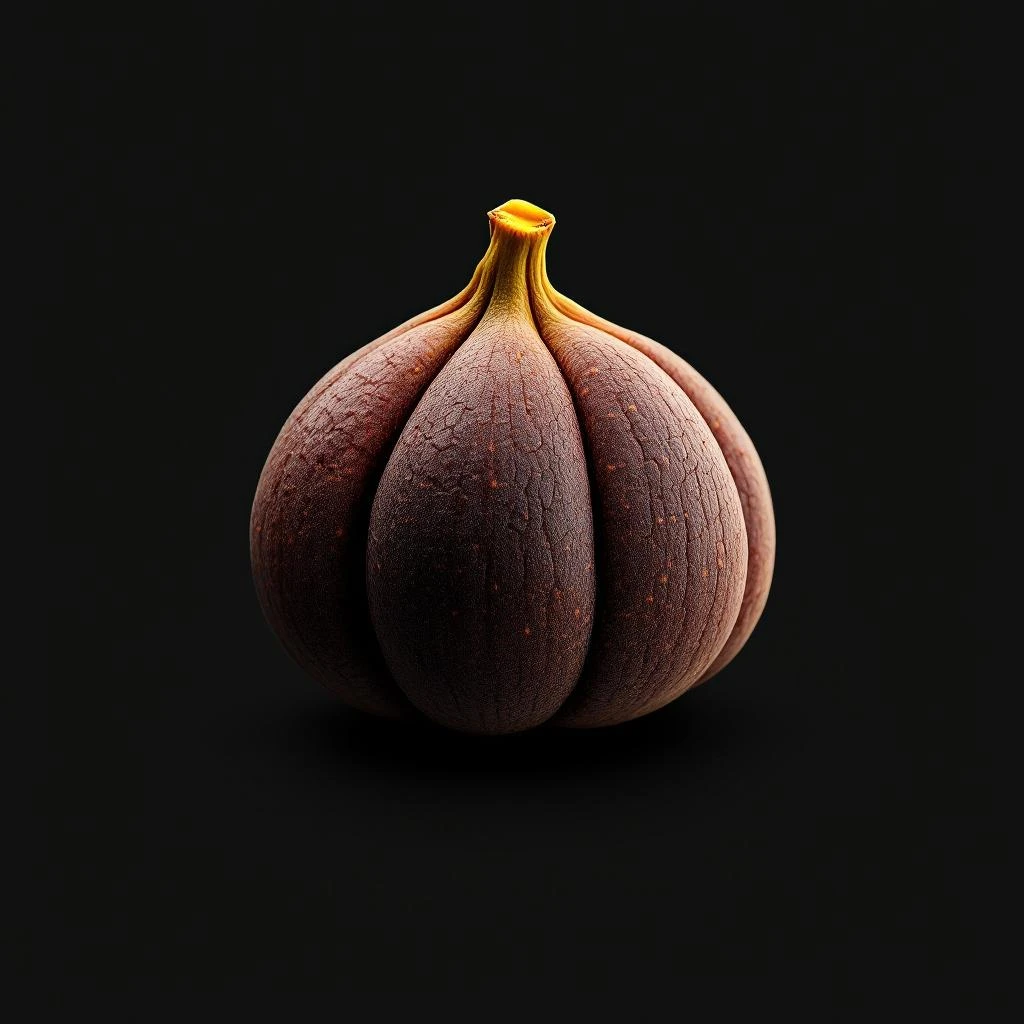
Italy's golden citrus, pressed from sun-ripened fruit along the Ionian coast.
Bergamot only became known to the world around 1750, first appearing in Earl Grey tea before it became a perfumery essential.





Origin
Italy
Bergamot has a surprisingly short documented history, appearing in records only around 1750 when it first flavored Earl Grey tea. By the 18th century, Calabrian farmers had recognized the exceptional quality of the citrus grown along their Ionian coastline, where a unique microclimate creates ideal conditions for this hybrid citrus species.
The region developed a concentrated monoculture around bergamot production, becoming the world's sole significant source. By the 19th century, Grasse perfumers began incorporating Calabrian bergamot extensively, establishing a supply chain that persists today.
The fruit's oils were originally extracted by hand using textured leather gloves, a method still referenced in traditional 'sfumatura' practices. This heritage, combined with the fruit's singular aromatic complexity, secured bergamot's place as a cornerstone of modern perfumery.
Wears it best
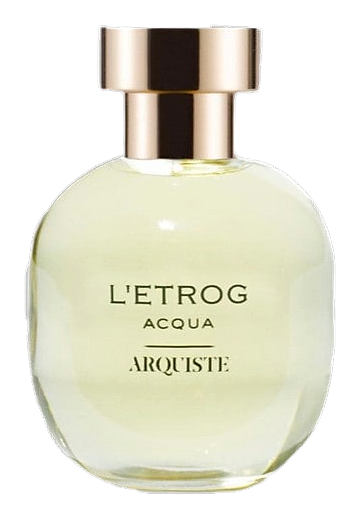
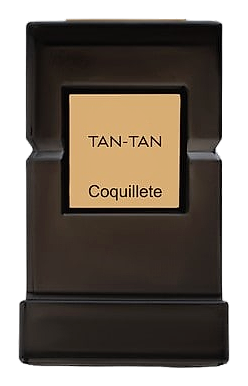
Fragrances featuring Calabrian Citron

Brands
Brands known for Calabrian Citron
Good to know
Questions, answered
The essentials on Calabrian Citron in perfumery: how it smells, where it comes from, and how it behaves on skin.
What makes Calabrian bergamot different from other bergamot varieties?
Calabrian bergamot is the only variety used in perfumery. The Ionian coast of Calabria produces 90% of the world's supply, and the region's unique climate and soil create an oil with superior floral and spicy complexity that cannot be replicated elsewhere.
Does cold-pressing affect the scent quality of bergamot oil?
Cold-pressing preserves the oil's fresh, bright quality without degradation. Heat-based methods would alter the delicate aromatic compounds, but the sfumatura technique maintains bergamot's characteristic citrus brightness with subtle floral undertones.
Is bergamot oil natural or synthetic?
Calabrian bergamot oil is completely natural, extracted mechanically from the fruit peel of Citrus bergamia. There is no synthetic equivalent that fully captures its complex scent profile, which includes citrus, floral, and spicy dimensions.
What seasons produce the highest quality bergamot?
The winter harvest produces the finest bergamot. Fruits are hand-picked from December through February, when they have fully ripened from green to golden yellow, indicating peak aromatic development in the peel.
How does bergamot perform as a fragrance base note?
Despite its fresh, bright character, bergamot has excellent tenacity as a heart-to-base transition note. It provides initial brightness while smoothing into warmer fragrance layers, making it one of the most versatile citrus ingredients for long-lasting compositions.
What historical event established bergamot in perfumery?
By the 18th century, Calabrian farmers were cultivating bergamot specifically for the growing perfume industry in Grasse, France. This early B2B relationship between Calabrian agriculture and French perfumery cemented bergamot's foundational role in modern perfumery.
Can bergamot cause photosensitivity in skin products?
Raw bergamot oil contains furanocoumarins that can cause phototoxicity. Professional perfumers use bergapten-free (Bf) versions for skin applications while retaining the aromatic character in fine fragrance concentrates.
What makes the sfumatura extraction method unique?
Sfumatura involves gently abrading the bergamot peel by hand using textured leather surfaces. This mechanical action releases oils without heat or solvents, preserving the oil's authentic citrus-floral profile and maintaining centuries of Calabrian tradition.