Polynesian Jasmine
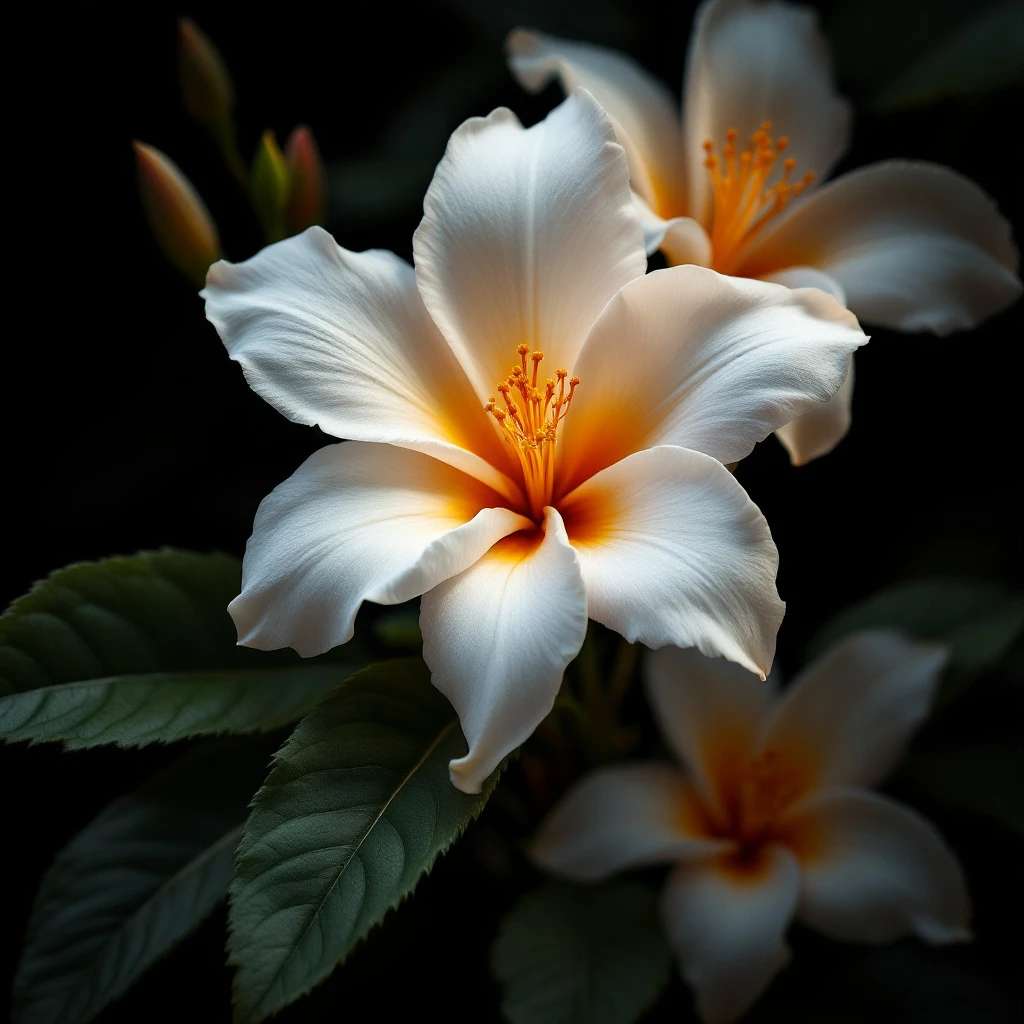
Polynesian Jasmine carries the intoxicating white floral signature of jasmine sambac, an Arabian species with roots in Southeast Asian islands. Its lush, narcotic petals have perfumed tropical nights for centuries.
Character
How it smells
Tropical nights captured in white floral bloom.
Eight thousand jasmine blossoms yield just one gram of absolute, making jasmine among the rarest naturals in perfumery.





Origin
Indonesia
Jasmine sambac originated in Southeast Asia, flourishing across Indonesian, Filipino, and Polynesian island chains long before perfumers discovered its potential. Ancient Polynesian cultures woven jasmine blossoms into ceremonial leis, using the heady perfume to mark sacred occasions. Indian and Arabian traders later spread sambac along maritime routes, introducing it to Egypt where jasmine cultivation became agricultural cornerstone by 1000 BCE.
Persian origins trace even earlier, with records suggesting jasmine presence in Iran centuries before the common era. French perfumers in Grasse later transformed jasmine into a luxury ingredient, perfecting extraction techniques that remain largely unchanged today. The species arrived in Polynesian territories through colonial exchange, adapting readily to island microclimates.
Modern production centers now span Egypt, India, and Morocco, yet Polynesian jasmine retains distinct character shaped by volcanic soil and consistent tropical temperatures. The flower's journey from sacred Polynesian ornament to global perfumery staple reflects centuries of cultural exchange across ocean trade routes.
Wears it best
Fragrances featuring Polynesian Jasmine
Brands
Brands known for Polynesian Jasmine
Good to know
Questions, answered
The essentials on Polynesian Jasmine in perfumery: how it smells, where it comes from, and how it behaves on skin.
What does Polynesian Jasmine smell like?
Polynesian Jasmine offers lush, narcotic white floral notes with characteristic indolic depth. The tropical growing conditions amplify warm, slightly animalic undertones alongside bright gardenia-like sweetness.
Why is jasmine so expensive?
Jasmine requires approximately eight million flowers to produce a single kilogram of absolute. Hand-harvesting each blossom at dawn is labor-intensive, driving raw material costs above five thousand dollars per kilogram.
How is jasmine absolute produced?
Producers harvest jasmine flowers before sunrise and immediately process them using solvent extraction. This method captures the aromatic molecules more efficiently than historical enfleurage techniques.
Where does commercial jasmine grow?
Egypt produces sixty percent of the world's jasmine flowers, cultivating roughly twenty-five hundred tons annually. India and Morocco also serve as major production centers.
What is the difference between jasmine sambac and common jasmine?
Jasmine sambac, the species cultivated in Polynesian regions, originated in Southeast Asia. It displays deeper indolic character and slightly different floralcy compared to Jasminum officinale grown in Mediterranean climates.
Is Polynesian Jasmine used as a top or base note?
Jasmine functions as a heart note in most formulations, though its volatile top molecules mean it often scents the initial impression. The absolute itself reveals its full character after the top notes dissipate.
What blends well with Polynesian Jasmine?
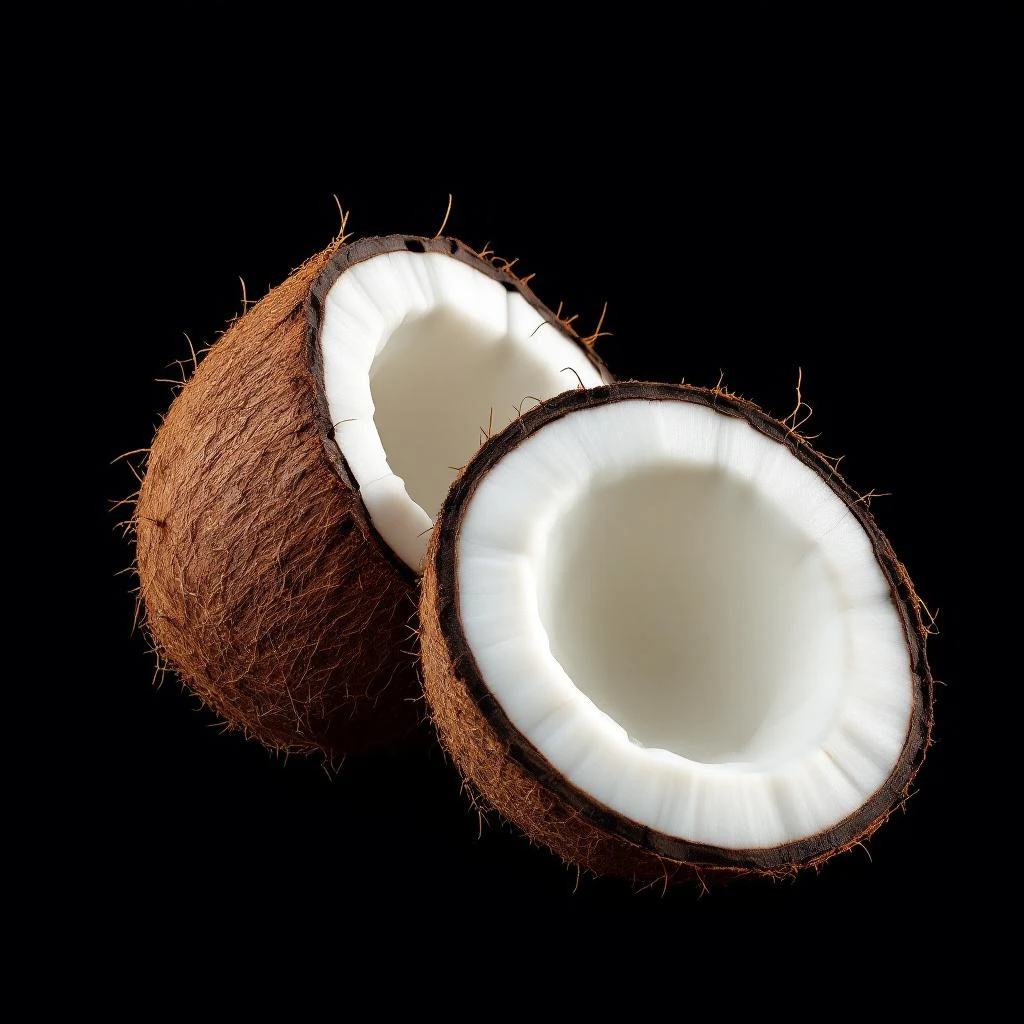
The ingredient pairs naturally with tropical materials like ylang ylang, coconut, and sandalwood. Rose amplifies its floral elegance while animalic materials like civet enhance its deeper indolic qualities.
Does jasmine grow naturally in Polynesia?
Jasmine sambac arrived in Polynesian islands through colonial exchange networks. The species readily adapted to island climates and now grows wild across many Pacific territories, naturalized for centuries.





