
The Story
Why it exists.
The beginning
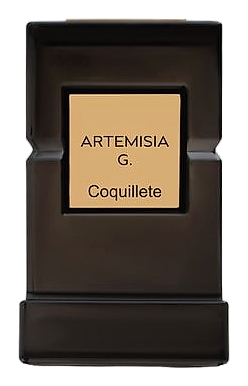
Artemisia G. is a dedication. Rosa Vaia named this 2020 composition for Artemisia Gentileschi, the Italian Baroque painter who spent her life refusing to be defined by the men who tried to diminish her. "I will show Your Illustrious Lordship what a woman can do," she wrote to a patron. The works spoke. They still speak. Vaia wanted to capture that same refusal in olfactory form, not a portrait, but an echo of the energy the painter left behind in every canvas. The bitter, assertive artemisia at the center of this fragrance is the opening argument. Leather and tobacco come next, because a woman who paints Judith Slaying Holofernes is not here to be decorative. The oud and amber in the base? That is what remains. What lasts. What refuses to leave the room.
What makes Artemisia G. unusual is its structural recursion, artemisia appears in the top, the heart, and the base. Most fragrances pyramid their star note in one act. Here, the bitter-green herb keeps returning, each appearance slightly transformed by what surrounds it. The opening artemisia is all sharpness and intent. In the heart, it moderates the leather, lending a mineral herbal undertone to what might otherwise read as purely smoky. In the base, it threads through the oud and amber like a green vein in dark stone. The tobacco, too, earns its place twice, warm and leathery in the heart, then resinous and close in the drydown.
The evolution
The opening arrives crisp and commanding. Artemisia's bitter-green intensity hits first, herbal, slightly medicinal, the kind of sharpness that announces itself before you are ready. Bergamot adds a brief citrus lift, a flash of light across dark water. Within twenty minutes, leather enters. Not polite leather, not soft suede, this is the leather of old workshops, of artists' hands, of work that required calluses and courage. Tobacco follows, warm and slightly smoky, weaving between the leather and the growing amber warmth beneath. The drydown is where patience pays off. Oud emerges slowly, not loud but persistent, its dark woody presence threading through patchouli and vetiver. Castoreum adds an animalic depth that sits close to skin, the scent of someone who has been in the room for hours, whose presence lingers after they leave. Cedar and guaiac wood round the base into something almost creamy, a softness that arrives only after the sharpness has made its case. On most skin, expect 6-8 hours.
Cultural impact
Artemisia G. belongs to a moment in niche perfumery where fragrance has become a medium for reclaiming overlooked histories. The decision to name a scent after a 17th-century painter known for her defiance, and for the pain she transformed into art, positions the fragrance as something more than a luxury object. It is an argument. In a market saturated with safe florals and predictable orientals, the combination of bitter artemisia, leather, tobacco, and castoreum makes a case for fragrance as confrontation. Wearers who connect with Artemisia G. tend to be those who view scent as part of their personal narrative, who choose what they wear the way they choose what they read or hang on their walls. The fragrance does not adapt to its wearer. It stands beside them.