
The Story
Why it exists.
The beginning
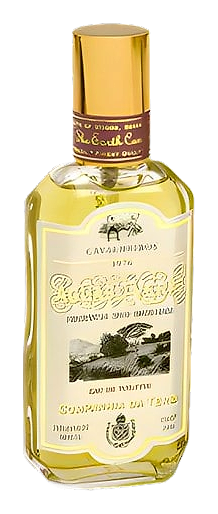
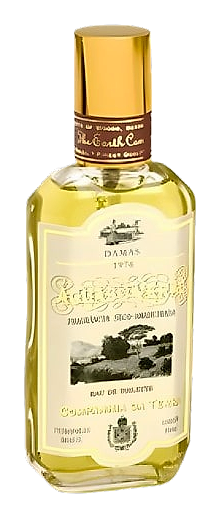
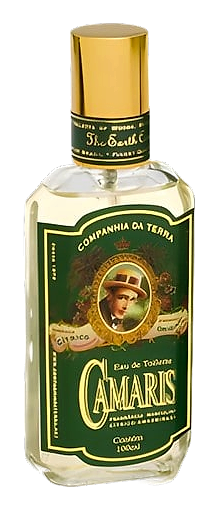
Camaris arrived in 1982 from Companhia da Terra, a Brazilian house founded in 1976 as the first to produce natural perfumes and cosmetics in Brazil. By the time perfumer Ricardo Penafiel Malta composed this composition, the brand had built a recognizable presence in plant-based perfumery. Camaris reads as a confident citrus-aromatic for men, anchored in materials that don't need translation. Bergamot, basil, and mandarin at the top. Lavender, patchouli, and geranium threading through the middle. Oakmoss and amber grounding the base. The opening hits with that familiar Mediterranean clarity: bergamot's clean bitterness, basil's green peppery snap, and mandarin adding a rounder, sweeter layer beneath. It announces itself without shouting.
What makes the structure interesting is the weight it puts on green and herbal materials without losing its citrus brightness. Basil and lavender together can lean medicinal or sharp, but here the mandarin's sweetness rounds the opening before the patchouli arrives to add earthiness. That interplay between the bright citrus top notes and the deeper herbal heart gives the composition a sense of balance that's easy to underestimate.
The evolution
The opening presents itself with immediate brightness, all bergamot and basil cutting through with mandarin's sweeter edge tucked underneath. The citrus hits quickly and confidently, giving way as the herbal notes begin to assert themselves. Lavender settles in and starts pulling the composition inward, softening the initial brightness while geranium introduces a faint rosy quality that adds dimension to the green-aromatic core. Patchouli doesn't announce itself as a single dramatic moment but rather emerges gradually, threading through the heart as a slow darkening that adds weight without heaviness. The transition into the base feels organic rather than abrupt: oakmoss dries out the whole composition, adding a cool, slightly bitter undertone that keeps it from drifting toward sweetness, while amber warms the bottom register just enough to prevent the dry-down from feeling austere.
Cultural impact
Camaris sits within Companhia da Terra's catalog of botanical-forward compositions. The house, founded in 1976 as the first to produce natural perfumes and cosmetics in Brazil, brought a particular sensibility to its work with plant materials during the late 1970s and early 1980s. Camaris reflects that approach: a clean, green-aromatic composition that handles its materials with directness. Bergamot and mandarin provide the citrus brightness, basil and lavender contribute the herbal-aromatic core, and patchouli, geranium, oakmoss, and amber build a grounded, earthy base.
The House
Companhia da TerraCompanhia da Terra stands as one of Brazil's most enduring fragrance houses, rooted in the country's rich tradition of natural perfumery. Active since at least the mid-1970s, the house built its identity around native Brazilian botanicals and traditional aromatic materials. The brand gained recognition for translating familiar plant scents, from tropical florals to Amazonian woods, into wearable fragrances. Its catalog spans decades, with releases dating from the late 1970s through the early 1980s establishing a signature style centered on botanical authenticity. Today, the house remains notable among collectors of Latin American fragrances for its consistent focus on olfactory memory and regional materials.
The Creator
Ricardo Penafiel MaltaThe Penafiel Malta style leans toward the architectural, with structures that feel purposeful and grounded. He gravitates toward resins, woods, and aromatic herbs that evoke sun-drenched landscapes rather than climate-controlled laboratories.