The Story
Why it exists.
The beginning
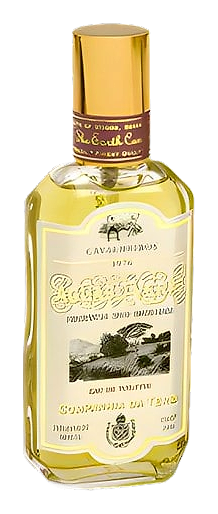
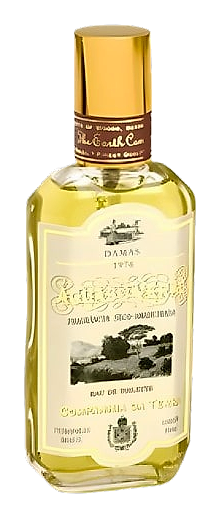
Aguas de Verao means summer waters, and this 1976 fragrance captures what that actually feels like in Brazil. Not the sanitized version. The real one: cool mornings that heat up fast, green everywhere, the coast arriving before the crowds. Penafiel Malta built this around a tension the house rarely explored. The cool galbanum and rosemary opening suggests botanical transparency, the house's known territory. But the leather heart takes a hard turn. This wasn't a house known for complexity. This was a perfumer saying: we can do both.
The note structure here is genuinely unusual for its context. The leather-narcissus-civet combination sits outside what most Brazilian summer fragrances of the era attempted. Galbanum leads as a green anchor, sharp, aromatic, unmistakable, while violet threads through the entire wear as a powdery throughline. The heart's waxy florals (narcissus, hyacinth) add depth without sweetness, and the base's animalic civet gives the drydown an honesty that keeps it from smelling like heritage alone.
The evolution
Galbanum and rosemary announce themselves first, crisp, green, immediate. No subtlety at the opening. Within thirty minutes, leather arrives like an interruption: warm, worn, completely at odds with the cool green that came before. Narcissus and hyacinth bloom underneath, waxy and slightly animalic, while cinnamon and coriander add warmth without fire. Then the hand-off. The sharp notes recede. Benzoin and white amber take over, softening everything into something powdery and intimate. Cypress and patchouli add dry wood. Civet keeps it honest, not clean, never clean. Musk anchors the final hours, close and personal. Six hours in, it's just you and the base.
Cultural impact
Aguas de Verao Damas stands apart from the house's typical botanical-directness approach. The leather and animalic notes introduce complexity that was unusual for a Brazilian summer fragrance of this era. It occupies a space between the cool green aromatic opening and the warm leather heart, a tension that makes it more interesting than straightforward summer scents. The violet-powder accord keeps it feminine and familiar, while the civet and moss in the base give it character that hasn't faded with time.
The House
Companhia da TerraCompanhia da Terra stands as one of Brazil's most enduring fragrance houses, rooted in the country's rich tradition of natural perfumery. Active since at least the mid-1970s, the house built its identity around native Brazilian botanicals and traditional aromatic materials. The brand gained recognition for translating familiar plant scents, from tropical florals to Amazonian woods, into wearable fragrances. Its catalog spans decades, with releases dating from the late 1970s through the early 1980s establishing a signature style centered on botanical authenticity. Today, the house remains notable among collectors of Latin American fragrances for its consistent focus on olfactory memory and regional materials.
The Creator
Ricardo Penafiel MaltaThe Penafiel Malta style leans toward the architectural, with structures that feel purposeful and grounded. He gravitates toward resins, woods, and aromatic herbs that evoke sun-drenched landscapes rather than climate-controlled laboratories.