
The Story
Why it exists.
The beginning
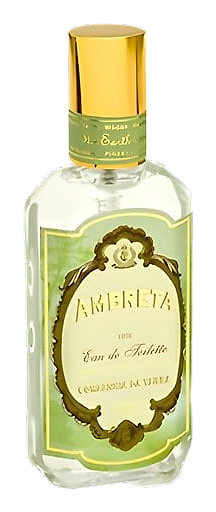
Ambreta arrived in 1978 from Ricardo Penafiel Malta at Companhia da Terra. The fragrance opens with a quiet wave of salty warmth, ambergris asserting itself with a marine edge that feels both ancient and immediate. As it settles on skin, the scent deepens, revealing a subtle mineral quality alongside the animalic richness. The composition is centered and deliberate, building slowly with a resinous depth that lingers close to the skin. There's an almost waxy quality that emerges as the fragrance dries, softening the initial salt into something rounder and more intimate. The overall effect is of a scent that respects its central material, letting ambergris lead without distraction.
What makes Ambreta's structure unusual is the hibiscus seed, a material that rarely anchors a composition. Rather than the tart tropical note hibiscus can deliver, the seed brings a quiet, almost aldehydic warmth that softens the transition into the heart. The vanilla that follows is pure and powdery, not synthetic-sweet. And threading through it all, ambergris adds its marine-salty depth. The composition unfolds gradually, with the hibiscus seed providing an initial softness that gives way to the creamy vanilla heart.
The evolution
The opening spreads quietly, hibiscus seed releasing its warm, soft floral character for the first thirty minutes or so. Nothing shouts. This is already a fragrance that knows what it is. The heart belongs to vanilla, settling into a powdery sweetness that dominates the next few hours. But as the vanilla deepens, ambergris begins its slow emergence, not announcing itself, just arriving. By the final act, vanilla and ambergris have become inseparable. Close. Warm. Slightly animalic. The drydown stays intimate, holding close to skin for hours. Moderate sillage means others only notice if they're already leaning in.
Cultural impact
Ambreta turns toward marine warmth and restraint. The 1978 formula predates Brazil's niche fragrance boom, placing it in a different conversation entirely. Ambergris takes center stage here, a material that most compositions use sparingly or avoid altogether. In Ambreta, it drives the composition from opening to drydown, supported by quieter floral and warm elements that never compete for attention. The result is a fragrance that feels both timeless and singular, its marine character unchanged by shifting trends or market demands.