The Story
Why it exists.
The beginning
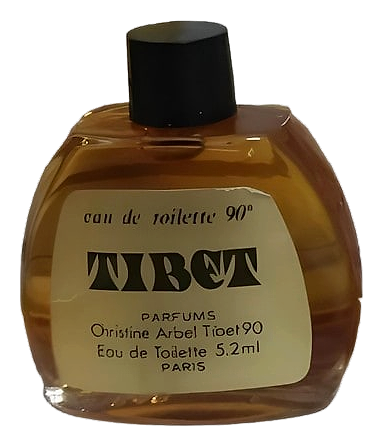
Tibet Eau de Toilette launched in 1977, two years after Christine Arbel was founded in France. No perfumer or documented creative brief is provided, so the safest origin story lives in the composition itself. Its name suggests Tibet, but the available research does not explain any intended connection to the region. What it does document is a classic floral aldehyde design: Mandarin Orange, Aldehydes, Bergamot, Citruses, and Pine open the composition, with White Carnation, Orris Root, Geranium, Jasmine, and Rose forming its floral center. That gives the 1977 release a clear period character, bright at first, softly powdered through the middle, and grounded in Sandalwood, Vanilla, Musk, and Oak.
The interesting part is the contrast inside the pyramid. Citrus, aldehydes, and pine bring a crisp, aromatic edge, while orris root adds a powdery softness that makes the composition feel more tactile than simply fresh. Carnation, jasmine, geranium, and rose introduce a classic floral heart without losing the structure underneath. Sandalwood and oak then give the drydown a woody spine, while vanilla and musk keep it soft around the edges. Together, these notes create a floral aldehyde that moves from brightness to warmth rather than staying in one lane.
The evolution
The opening starts with a clean burst of Mandarin Orange, Bergamot, and broader citrus, lifted by aldehydes and the green, aromatic snap of pine. That brightness quickly gives way to a floral center: White Carnation and Orris Root bring a powdery hush, while Geranium, Jasmine, and Rose make the composition feel more polished and dimensional. As the fragrance settles, the sharper citrus recedes. Sandalwood and Oak leave a calm woody foundation, and Vanilla and Musk soften it into a warm, skinlike finish. The drydown is the lasting phase, with the powdery floral heart still hovering above the woods rather than disappearing completely.
Cultural impact
Tibet fits Christine Arbel's established register of accessible French perfumery: an elegant finish, restrained presentation, and a composition built around nuance rather than spectacle. Its 1977 launch places it within the brand's early history, when its catalog was already shaped around everyday French taste. The floral aldehyde structure gives it a clear period identity, while its moderate wear makes it feel designed for regular use rather than reserved ceremony.