The Story
Why it exists.
The beginning
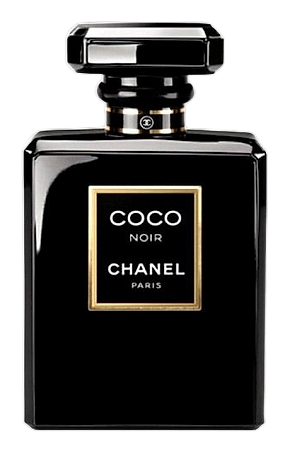
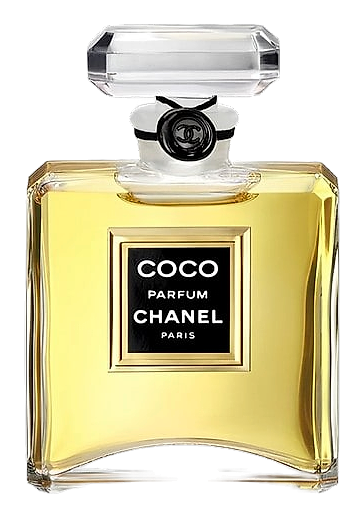
Coco Parfum arrived in 1984, composed by Jacques Polge for the house that had already redefined what fragrance could be. The name is Gabrielle Chanel's own, not a concept, not a mood, but a person. Polge understood that the woman who had built a fashion empire on structure and simplicity deserved a scent that matched her contradictions: tender and commanding, warm and sharp, intimate without being soft. The Parfum format wasn't accidental. This was the concentrated form, the one that lingers, that asserts, that refuses to fade after an hour.
What makes Coco Parfum unusual is its architecture. Where many Orientals build outward from a single dominant note, this one layers. The top registers frangipani and mandarin, but the heart arrives quickly, rose, jasmine, ylang-ylang, creating a floral current that runs through the entire composition rather than disappearing once the opening settles. The spice doesn't compete with the florals; it threads through them. Coriander and cinnamon create texture without dominating. Then the base takes over: benzoin and frankincense, honey and civet, a resinous depth that becomes the dominant memory. It's a fragrance that rewards patience because it keeps changing.
The evolution
The first twenty minutes belong to the tropics. Frangipani and mandarin orange open together, sweet but not gauzy, there's a greenness in the mandarin that keeps it grounded. The coriander arrives quietly, adding an herbaceous counterpoint that prevents the florals from becoming one-note. As the top notes recede, the heart emerges: a rose-jasmine-iris trio that feels richer than the opening suggested. Orange blossom adds a waxy, indolic depth that anchors the florals. The cinnamon isn't loud, it's warm, like spice building behind a closed door. Three hours in, the Orientals take over. Benzoin and frankincense become the story. The civet adds a rawness, an animal warmth that makes this feel less like perfume and more like skin. Honey and tonka bean sweeten it just enough. By hour six, you're in the drydown: patchouli, amber, musk. This is where Coco Parfum earns its concentration. The sillage remains strong through hour eight, then softens into something intimate, the kind of scent you catch on your own wrist hours later and think about twice.
Cultural impact
Coco Parfum found its audience among women who wanted luxury without apology. The 1984 launch positioned it as a statement fragrance, not trendy, not youthful, but assured. It's the kind of scent a woman reaches for when she wants to feel complete, not when she wants to be noticed. Wearers describe it as the fragrance of someone who doesn't need validation.