The Story
Why it exists.
The beginning
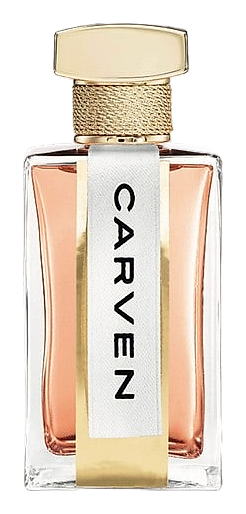
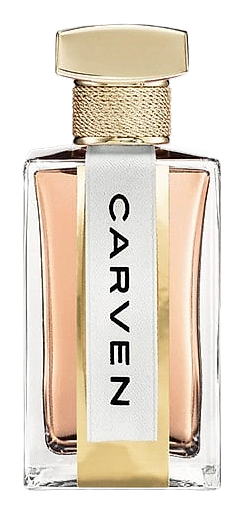
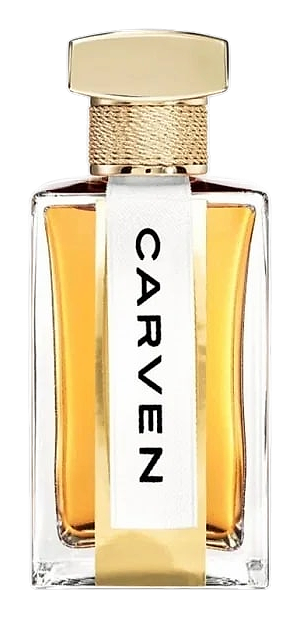
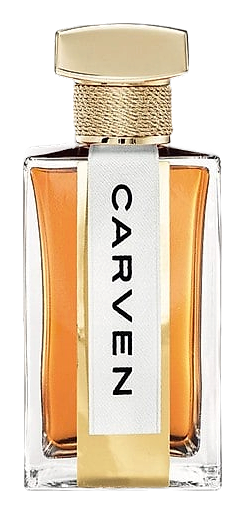
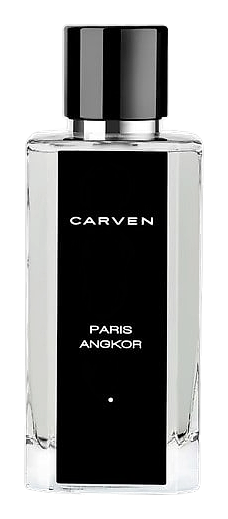
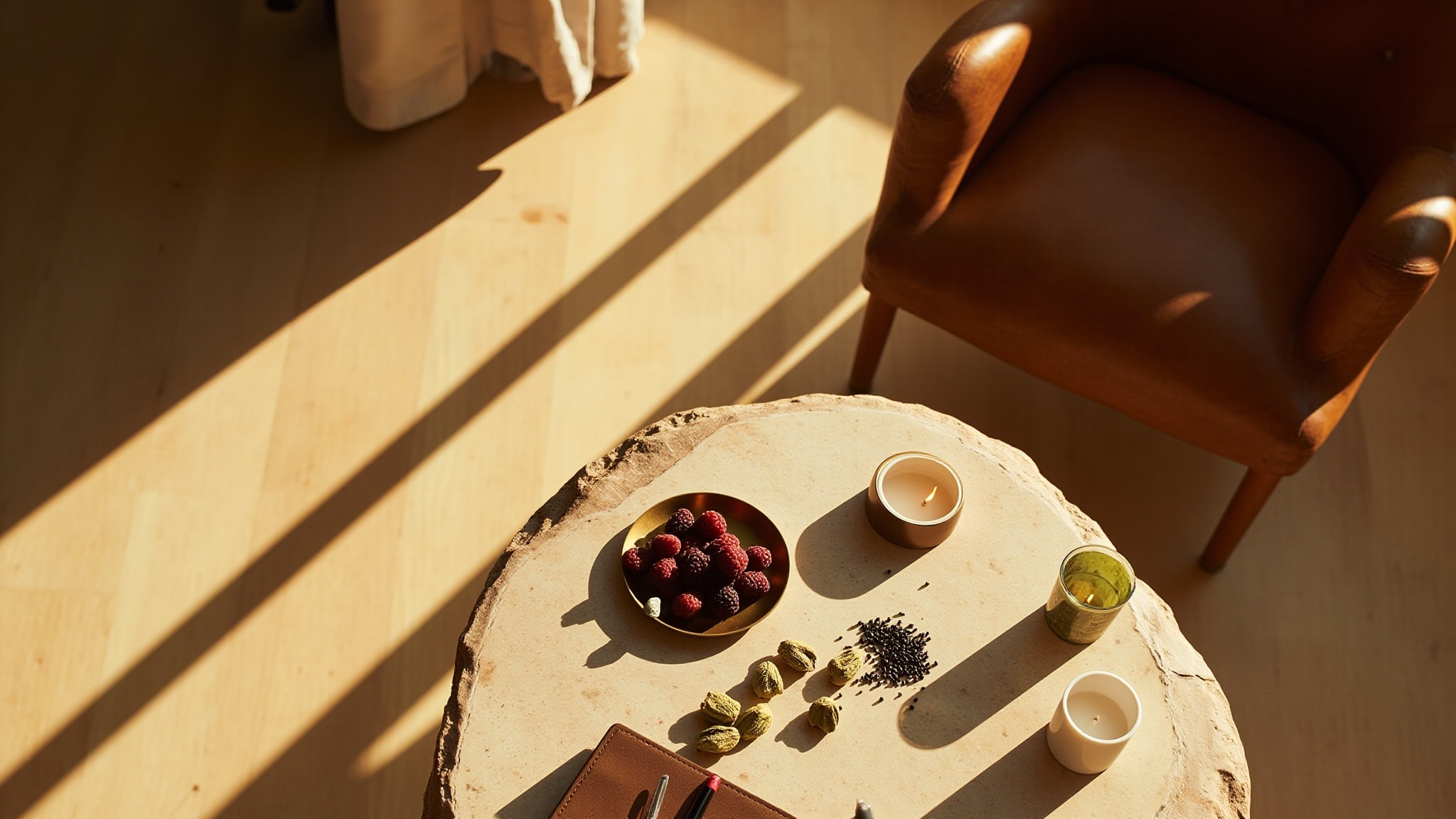
Carven's Paris collection gathers its 2024 entry, Paris Angkor, from the temples of Angkor in Cambodia, where pilgrims, scholars, and wanderers have moved through stone monuments wrapped in jungle and threaded with a spirituality that doesn't need translation. Carven translated it anyway, not literally, but through the warmth of cardamom and the juiciness of raspberry that feels like stepping from shadow into fruit-heavy afternoon heat. Then leather, and rose, because beauty in those places is rarely clean or quiet. The cardamom lands first as a dry, almost green heat, the kind that prickles the back of the throat before settling into something warmer. The raspberry follows close behind, jammy and dark at the edges, almost the color of crushed seed in the palm of a hand.
The cardamom-raspberry opening is the unusual move here. Starting with red fruit and warm spice instead pulls the leather into something gentler, almost tender. The rose in the heart doesn't do floral work so much as it softens the leather's edges, making it feel worn and lived-in rather than sharp. The base, benzoin, cedarwood, patchouli, and vanilla, grounds all of it without letting the composition tip into syrup. The cardamom stays present longer than expected, weaving in and out of the fruit like a current that keeps moving beneath the surface.
The evolution
The opening belongs to raspberry and cardamom, bright and almost edible, the fruit darkening as the spice sharpens. The leather arrives smoky but soft, not aggressive, doing the work of pulling the composition away from fruit and toward something older, more grounded. Rose appears almost as a whisper underneath, not a top-note declaration, more a suggestion that keeps the leather from going cold. As the hours pass, the base starts to show itself. Benzoin brings a warm, almost caramelized sweetness, while cedarwood adds a dry structure that holds everything up. Patchouli lurks beneath, earthy and slightly dark, never taking over. The vanilla is a quiet hum, not a dessert note. The drydown is warm, lightly sweet, and unmistakably leathery, the raspberry long gone but its memory of warmth still present. On fabric, cedarwood and benzoin are the survivors, faint but present.
Cultural impact
Paris Angkor reads less as a statement piece and more as a quiet, considered choice, the fragrance of someone who's been somewhere and doesn't need to prove it. Worn, it sits close to the skin, speaking softly to anyone close enough to lean in. There's nothing performative about it, no shouting top accord meant to fill a hallway. Instead, it rewards attention, the way a temple quiets should appear to a traveler who has stopped moving long enough to look. The cardamom keeps it awake, the raspberry keeps it warm, the leather keeps it grounded, and the rose keeps it human.