
The Story
Why it exists.
The beginning
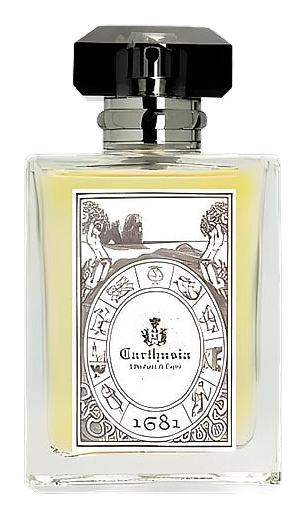
1681. The year Carthusian monks on Capri first began distilling fragrance from the island's herbs and botanicals. Laura Bosetti Tonatto drew on that history when she composed this fragrance, named to honor the moment monastic craft met Mediterranean landscape. The official copy calls it a fragrance of 'ecclesiastical and military circles', incense that carries authority without weight. Carthusia describes it as a perfume 'capable of seducing and conquering.' The brand's island identity runs through it too: citrus, herbs, and the mineral edge of sea air cut the smoke at every stage, keeping the composition bright where a heavier incense would pull down.
What makes 1681 unusual is the balance. Incense fragrances often anchor themselves in darkness, heavy smoke, resins, the weight of the crypt. Here, the frankincense sits in conversation with herbs and citrus from the opening, and the powdery iris keeps everything from getting too austere. The base layers frankincense with cedar and sandalwood, but the vanilla and white musk soften what could have been ecclesiastical severity into something warmer. It's incense for someone who wants the idea of a monastery without the cold stone.
The evolution
The opening hits with bright citrus and herbs, bergamot and mandarin upfront, rosemary and red thyme grounding them with a green, slightly medicinal character. Coriander adds a subtle spicy seed note underneath. Within 20 minutes the citrus lifts, and the heart begins its hand-off: lavender and neroli introduce soft floral warmth, iris brings its powdery elegance, and black pepper slowly builds a warm spiciness that grows quietly. Petitgrain adds a bitter, green thread that keeps the heart from becoming too soft. The base arrives around the 2-hour mark and takes over completely. The herbs fade first. What's left is a warm embrace of frankincense and ambergris, cedar and sandalwood, with white musk and vanilla settling close to the skin. The drydown lasts another 4-5 hours on most skin types, intimate and close rather than projecting. Tested on fabric, it holds longer, the drydown can persist into the next day as a faint, warm whisper.
Cultural impact
The 2010 release carved a specific space, aromatic woody with incense, but Mediterranean in its restraint. It's the kind of fragrance that attracts people who appreciate subtlety over projection, complexity that rewards close attention rather than demanding it. The incense-herb tension is its most distinctive move, and the powdery iris keeps it from reading as a conventional masculine aromatic.