

The Story
Why it exists.
The beginning
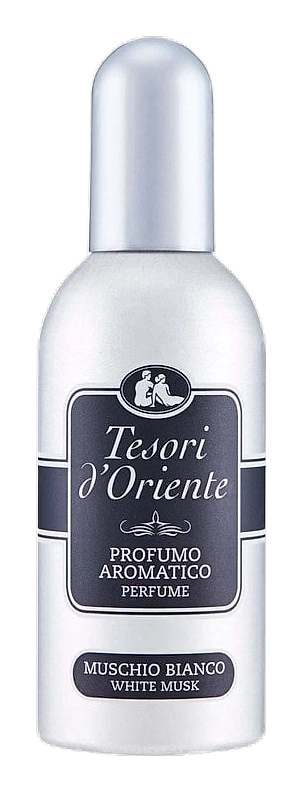
Muschio di BV arrived in 2012, a release from Bottega Verde's growing personal fragrance portfolio. The composition built itself around a single word: muschio, musk. Not the loud, animalic kind, but the soft, powdery version that feels less like a statement and more like a familiar gesture, the scent of clean skin warmed by afternoon light. There's something almost utilitarian about the way it presents itself, a daily musk shaped for the wearer who treats getting ready as its own small ritual rather than a performance. At a price point well below designer territory, it entered the market accessible to anyone curious about white-musk perfumery who doesn't want to wade through luxury branding to find it.
What makes this composition distinctive is the marriage of classic white-musk architecture with a clean, unfussy approach to the genre. The opening pulls no punches with its green-citrus brightness, bergamot and lemon sharp enough to feel like crushed leaf, but the heart softens quickly into a floral bouquet of lily of the valley, ylang-ylang, and jasmine, none of them shouting. There's a careful editorial hand at work here, where every element seems to know its place.
The evolution
On skin, Muschio di BV opens with a brisk stretch of green citrus. The bergamot pops first, followed by lemon's sharper edge, with a leafy green note that gives the opening its cool, almost cologne-like lift. Then the transition arrives, quick and seamless. The florals come in quietly: lily of the valley's green sweetness, ylang-ylang's banana-soft fullness, and a thread of jasmine that never turns indolic, never crosses into that territory where white flowers get loud and waxy. Instead, they hover, polite and translucent, like watercolor washes that hint at shape without filling in every contour. As the composition settles, the powder phase takes over and dominates from there onward.
Cultural impact
Muschio di BV occupies an interesting corner of the fragrance world: the unapologetically simple white musk that leans into its powdery-dry character and its green-citrus opening. Its combination of warmth and freshness gives it more dimension than many compositions in the white-musk family, where soft and clean can sometimes drift toward the interchangeable. The powder phase that dominates its drydown reads as deliberately nostalgic, a callback to the body mists and skin scents of an earlier era of European perfumery, yet the leafy lift in the opening keeps it from feeling dated.