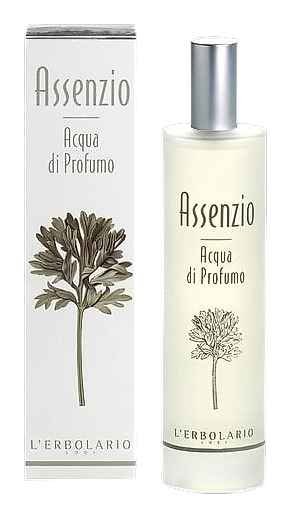

The Story
Why it exists.
The beginning
The name Assenzio is Italian for wormwood, the same bitter herb that once defined absinthe's dangerous reputation in Parisian cafes. The fragrance translates that heritage into wearable form, bitter enough to challenge, refined enough to return to. Upon first spray, the bitter green note arrives with striking clarity, cutting through the air with an aromatic sharpness that immediately separates this from sweeter interpretations. There's a complexity here that rewards attention, an herbal depth that reveals different facets as the scent develops on skin. The wormwood doesn't merely add bitterness, it contributes an almost medicinal quality, clean and austere, that lingers in the background even as other notes emerge.
Wormwood is not a forgiving note. It demands attention, rewards patience. In Italian herbalism, it was used in liqueurs and remedies. The wormwood here isn't a novelty. It's the point. Combined with artemisia, its botanical cousin, the two create an aromatic complexity that separates this from cleaner, sweeter interpretations. This is wormwood as intended: challenging, characterful. There's a clean, almost medicinal quality to the combination that sets it apart, an austere sharpness that rewards the wearer who appreciates depth over convention.
The evolution
The opening hits bright, Amalfi lemon and orange, clean and immediate. Then the wormwood arrives, cutting through the citrus with its bitter green edge. The first minutes are sharp, astringent, the kind of scent that announces it won't be sweet. Within minutes the citrus fades and the herbal heart emerges. Artemisia, coriander, lavender, bitter-sweet, like a gentler version of the liqueur that shares its name. This herbal heart dominates the middle stages, aromatic and warm, with just enough cardamom to keep it grounded. Then the drydown: cedar, musk, patchouli, a whisper of clove. The wormwood doesn't disappear, it softens, becomes part of the wood rather than standing apart. The drydown is quiet, intimate, and what stays longest is often the cedar and musk, warm and close, the kind of scent another person might catch only when they're beside you.
Cultural impact
Wormwood carries cultural weight, the botanical that gave absinthe its reputation. In this interpretation, the herb takes center stage, not as a novelty but as the point. The combination with artemisia, its botanical cousin, creates an aromatic complexity that separates this from cleaner, sweeter interpretations. This is wormwood as intended: challenging, characterful. The fragrance sits in an aromatic-spicy register with bitter, herbal, and warm qualities. It appeals to wearers who value depth and botanical authenticity.