The Story
Why it exists.
The beginning
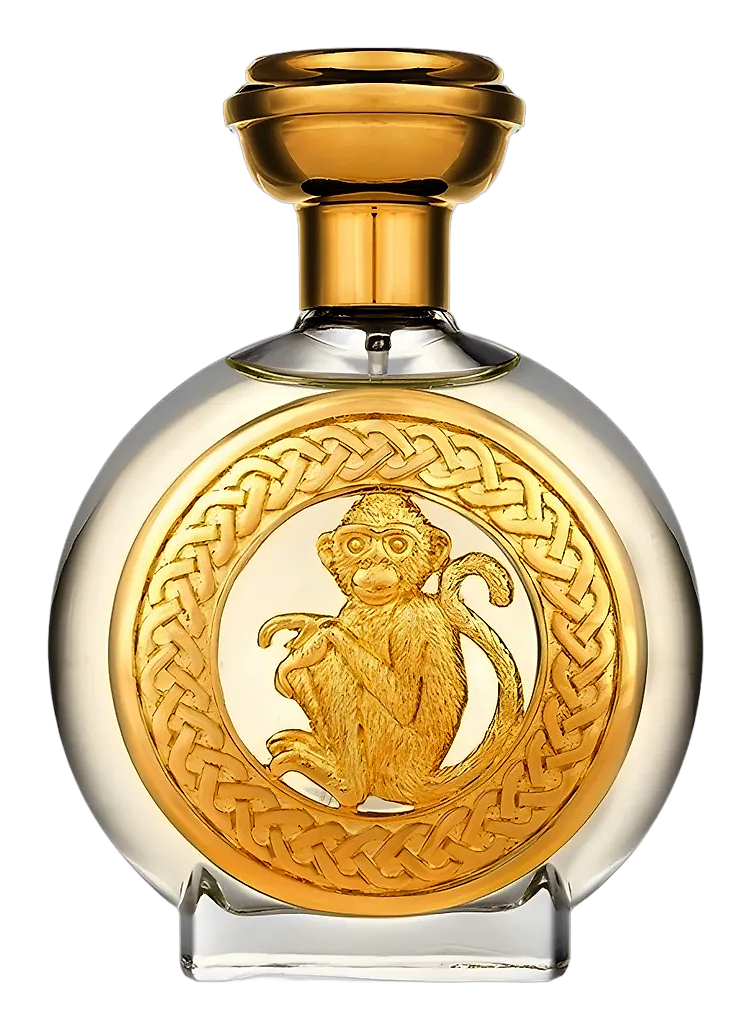
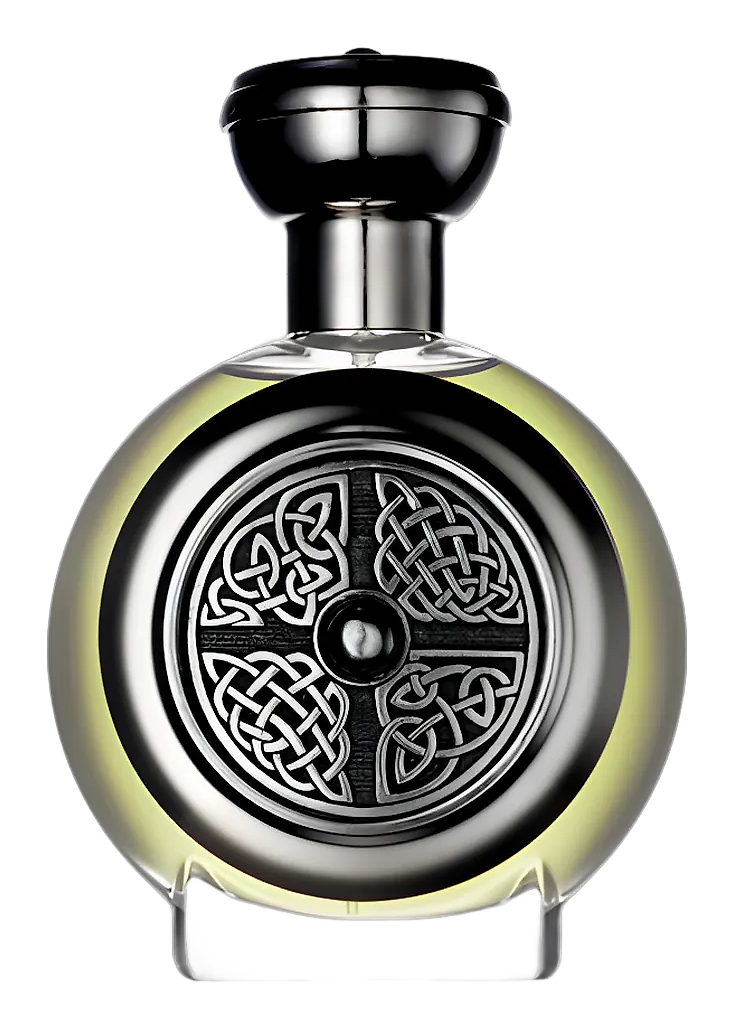
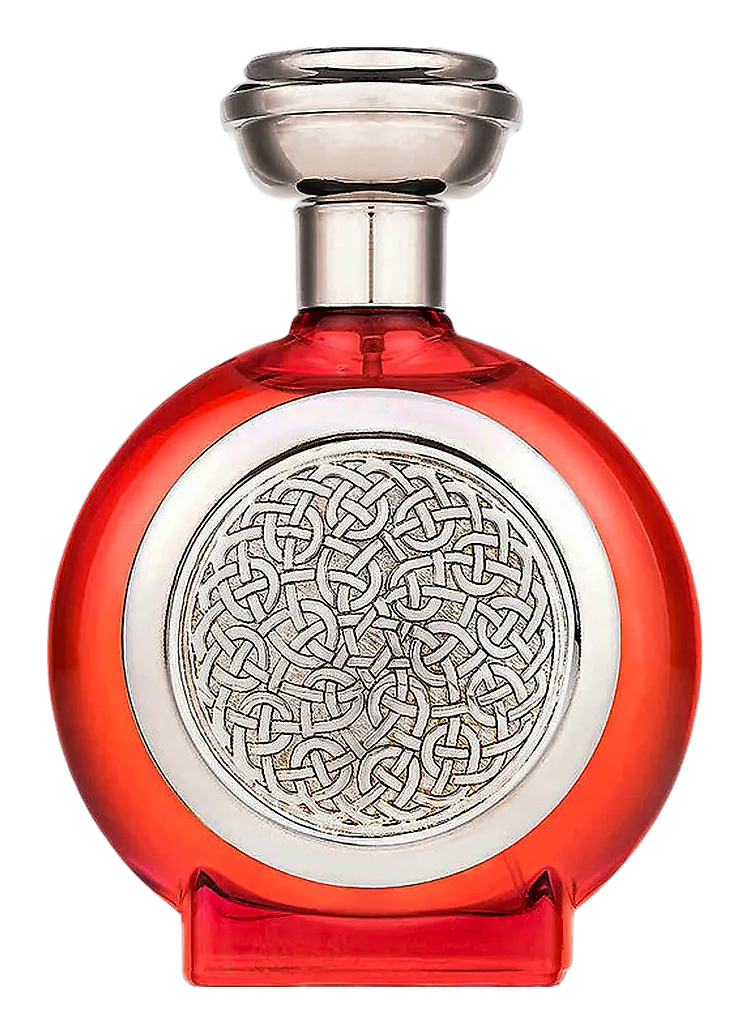
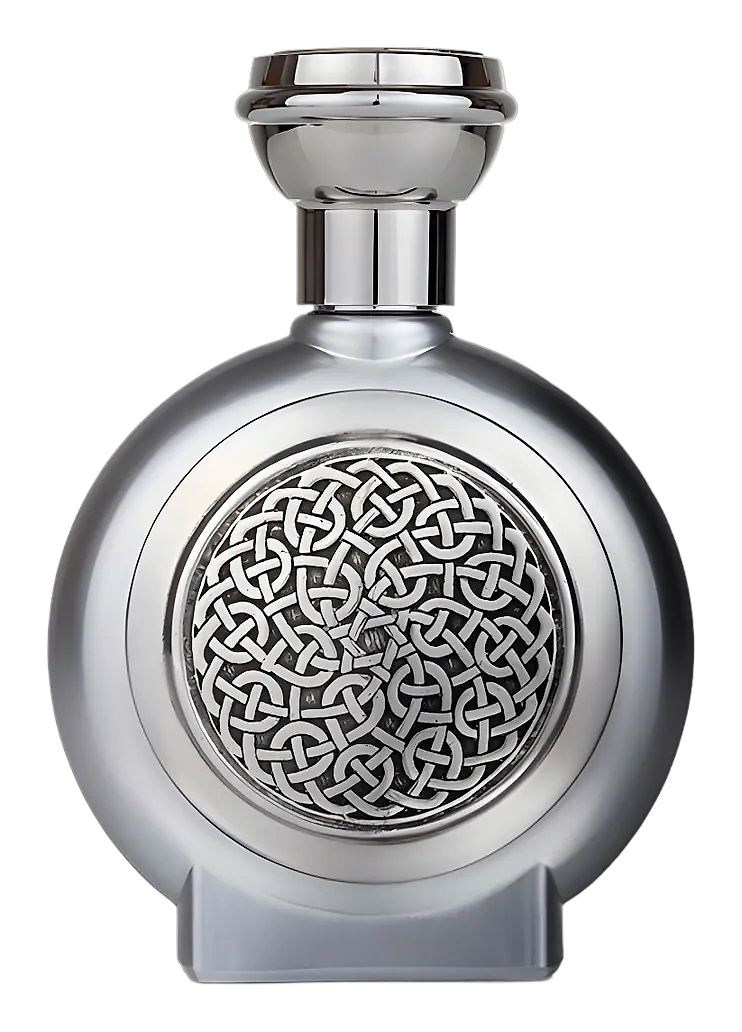
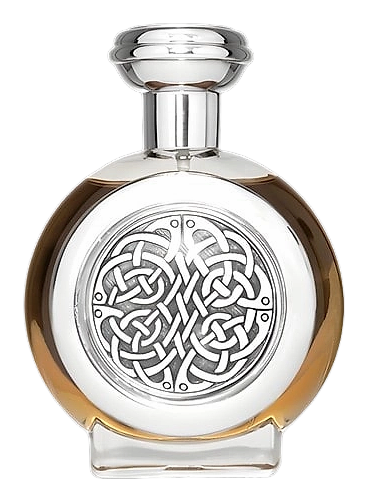
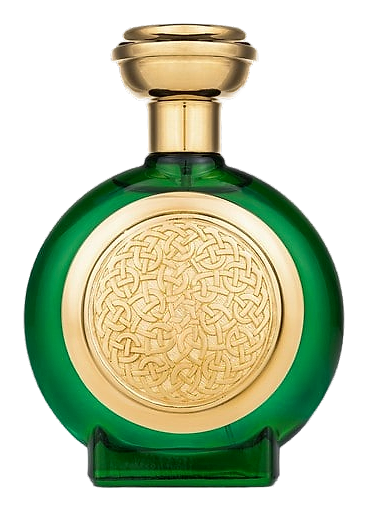
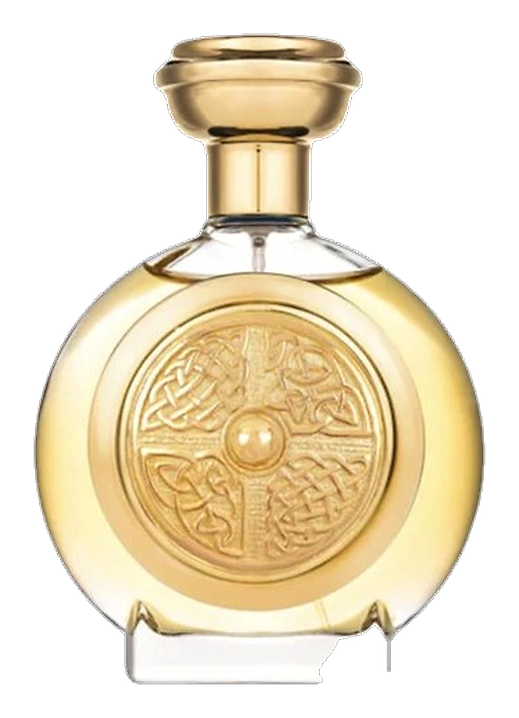
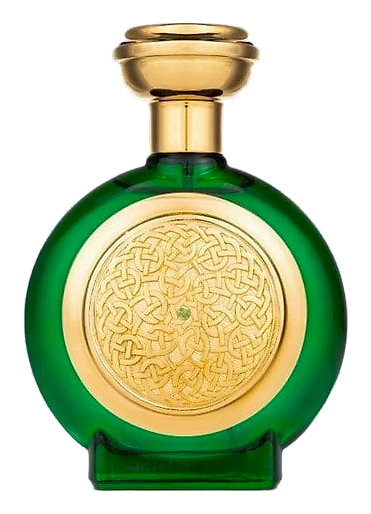
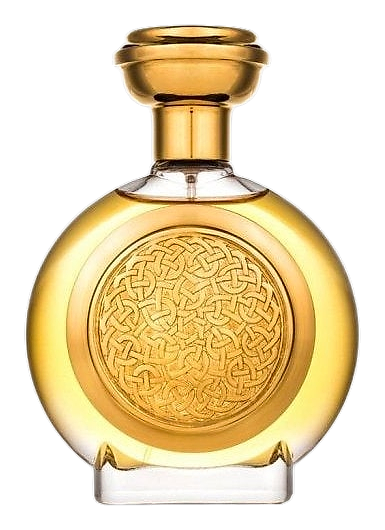
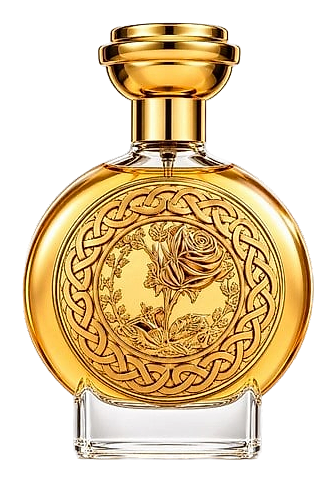
Andraste is the 2026 release from Boadicea the Victorious, composed by Céline Herbette, and takes that namesake seriously. The smoke and saffron that drive the opening are the first signal: this is not a soft tribute. It is a scent built for someone who walks into a room and does not need to explain why they belong there, someone who carries history in their posture and lets the room catch up. From the very first spray, the smoked-tea accord reads like a chapter written in smoke and conviction rather than ink, setting a serious tone before the florals ever arrive.
What sets Andraste apart is the collision at its core. Lapsang Souchong tea sits at the top with eucalyptus and saffron, a combination that smells like the moment a window opens in a wood-paneled room. Then the florals arrive, and they are not the polite kind. Jasmine, wisteria, and the deep, almost fruity Lady Emma Hamilton rose push through the smoke rather than being softened by it. The base anchors everything in leather, incense, guaiac wood, and a dry vetiver-musk combination that refuses to dissolve into sweetness.
The evolution
The opening is all atmosphere. Lapsang Souchong leads, smoky and almost peaty, with bergamot and lemon trying to cut through and saffron warming the edges. The eucalyptus adds a clean, almost mentholated sharpness that keeps the smoke from feeling heavy. It smells less like perfume at this stage and more like a place, an old library, a fire someone let die down. The white florals begin to surface as the smoke settles. Jasmine arrives first, indolic and creamy, followed by honeysuckle and the unusual, almost apricot-like sweetness of Lady Emma Hamilton rose. The orris gives everything a powdery, slightly cold elegance. The middle phase is the most complex part of the wear, where smoke threads through white petals and the rose keeps pushing forward without ever tipping into jam. The base then takes over. Leather arrives dry and structured, not suede-soft.
Cultural impact
Andraste reaches for something elemental. Rather than referencing a specific place or date, it draws on a mood of quiet authority, the kind of scent that suggests someone who already knows what they want and does not need permission. The Lapsang Souchong opening gives the fragrance its spine, a smoked-tea accord that sits at the front of the composition and refuses to fade into the background. That structural use of smoke sets the tone for everything that follows, with leather, incense, and guaiac wood reinforcing the gravity of the first impression. It wears like a scent for someone whose presence fills a room before they speak.