The Story
Why it exists.
The beginning
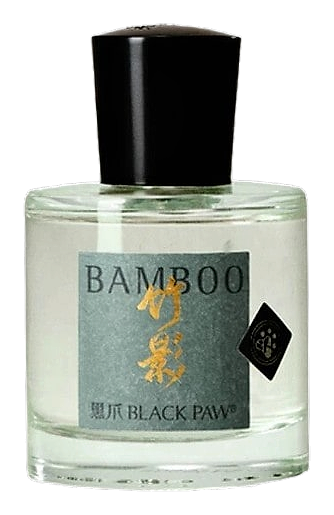
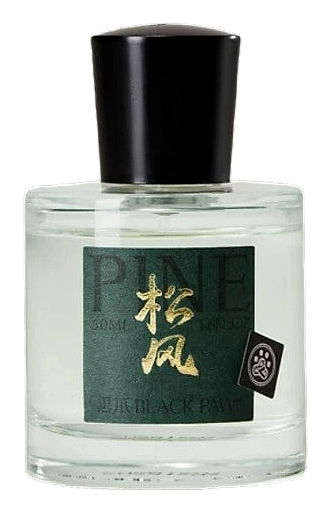
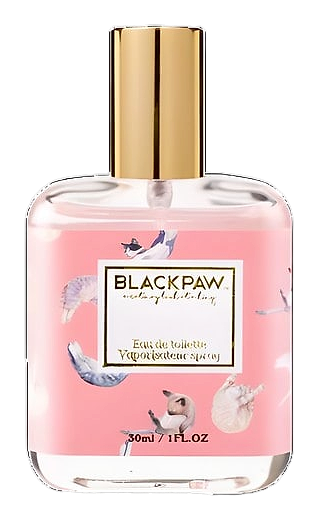
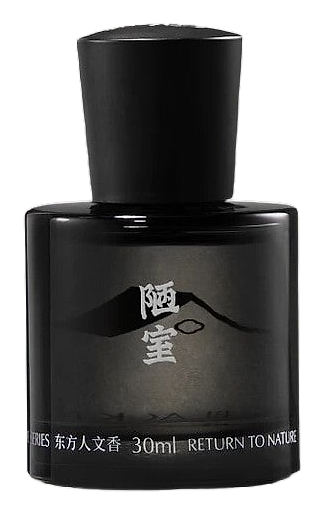
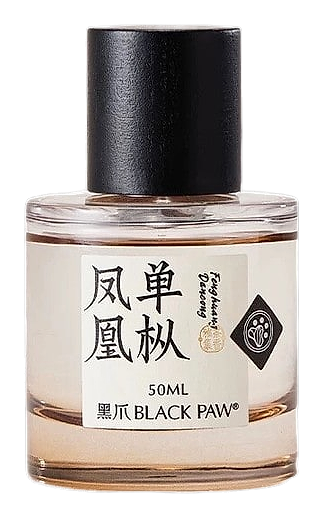
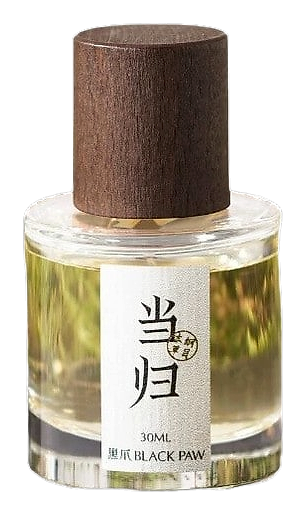
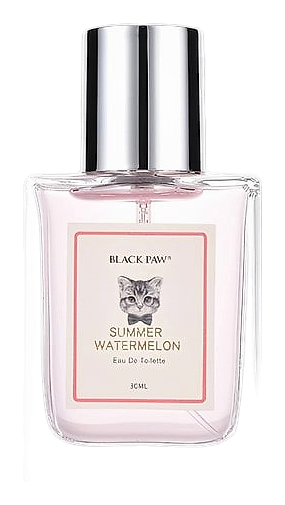
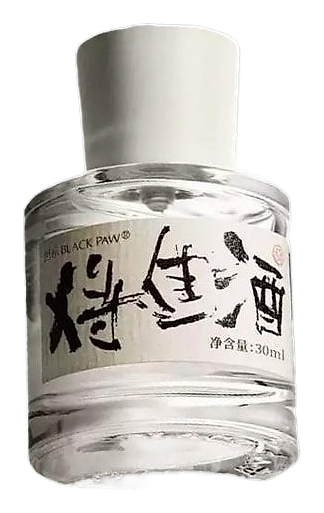
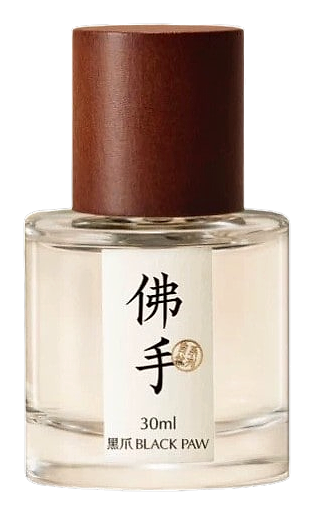
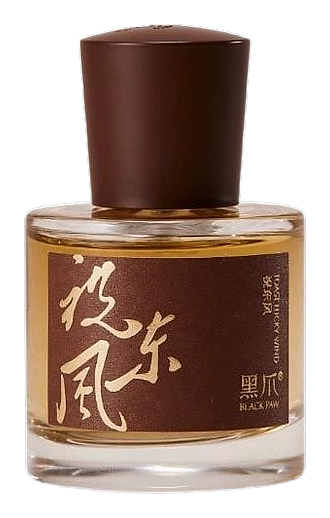
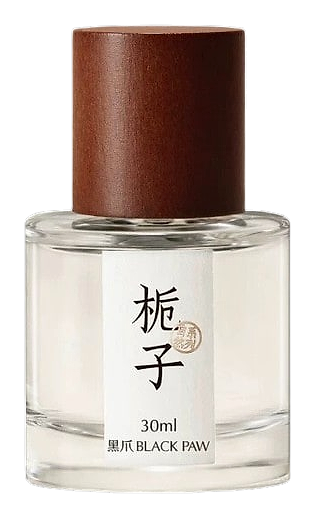
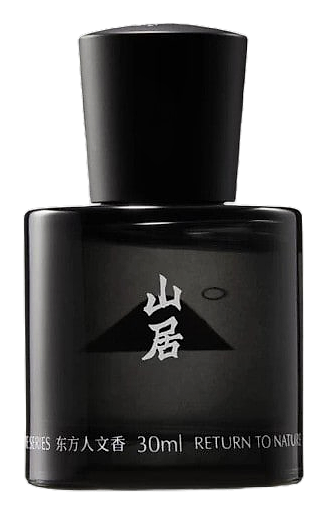
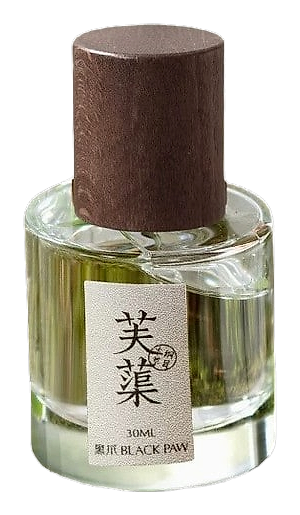
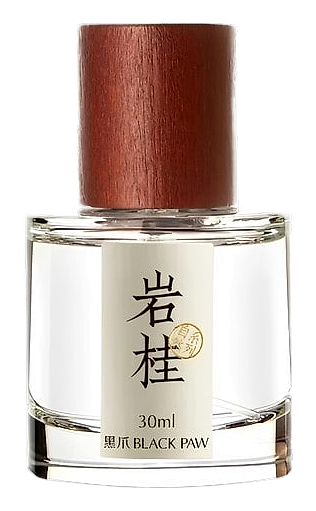
Osmanthus, called gui hua in Chinese, carries a quiet cultural weight. Black Paw's release distills that single seasonal moment into a wearable composition, joining a catalog built around Chinese botanical references like Bamboo, Lotus Flower, and the tea-named Dafo Longjing. Each fragrance in the Black Paw line takes its name from a specific plant, place, or literary touchstone rather than an abstract mood, and Osmanthus stays true to that approach. The fragrance means the real flower, not an impression of it, and that specificity is the point. On skin, the opening reads cool and green before the osmanthus absolute unfolds its warm, honeyed apricot character, a fruitiness tempered by bergamot and softened by lily of the valley.
What makes this composition work is restraint. Osmanthus absolute is famously expressive, almost apricot-jam sweet, and it can tip into cloying territory fast. Pairing it with grass and bergamot at the top drags the sweetness back to daylight. Lily of the valley adds a cool, almost watery lift that keeps the fruit from settling too low. The peach amplifies the apricot facet of osmanthus but keeps it in fruit territory, not jam. Musk at the base is light enough to read as skin rather than fabric softener. Every choice is a correction against oversweetness.
The evolution
The first ten minutes are sharp and green. Bergamot and grass cut through cleanly, almost like the smell of a lawn just after it's been mown, wet and bright. Lily of the valley joins in within minutes, bringing its cool, dewy sweetness that softens the citrus edge. The osmanthus doesn't arrive all at once. It builds underneath the florals, slow, then suddenly present, like a memory of a garden you've been trying to place. Peach rounds it out, warm and edible but never cooked. By the second hour the green has faded and what remains is golden, creamy osmanthus over clean white musk, the cedar adding a faint dry woodiness that keeps the base from going soft. On fabric the next morning, it reads as warm skin and faded linen, the osmanthus still hanging on long after everything else has gone quiet. The drydown is where this one earns its keep.
Cultural impact
Black Paw treats osmanthus as a fragrance subject rather than a decorative accord, and that choice carries weight. The flower is culturally loaded in Chinese gardens and cuisine, where it appears in sweets, teas, and seasonal poetry, and rendering it as a direct olfactory subject signals a commitment to cultural specificity rather than decorative exoticism. One reviewer describes the scent as creamy osmanthus, ripe nectarine, and dewy lily of the valley, a triangle that captures the composition's center of gravity.