
The Story
Why it exists.
The beginning
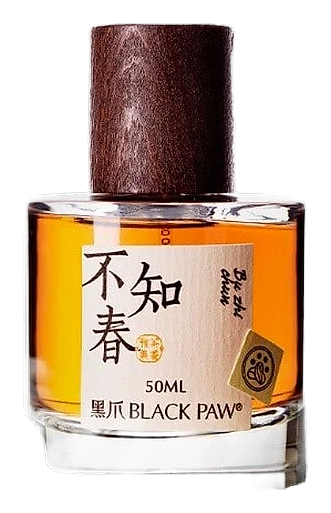
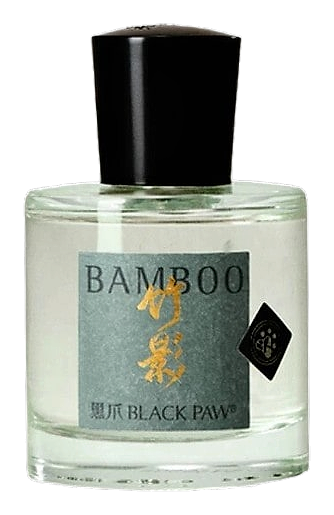
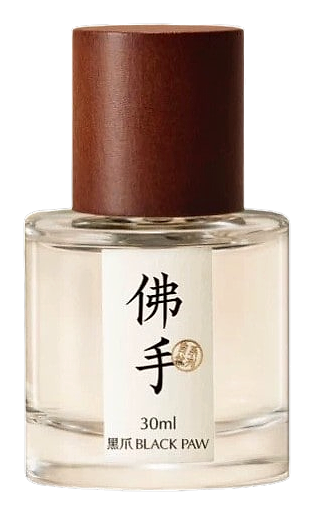
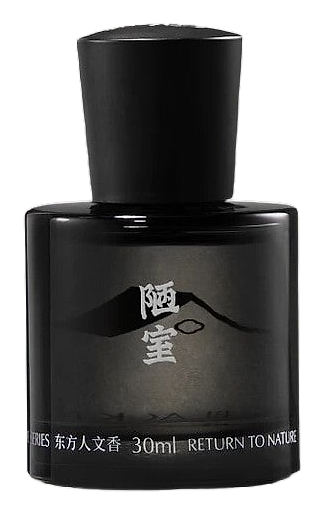
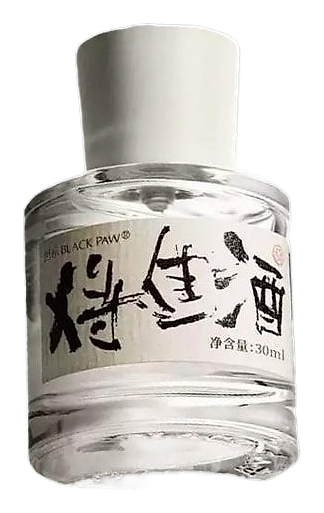
The name says it first: 将进酒, "Invitation to Wine," a direct lift from a classical Chinese poem that opens with a plea to drink because heaven never pours on its own. Black Paw didn't choose the reference lightly. The brand has built a recognizable identity around specific, place-rooted compositions, threading references that feel anchored in something older than trend cycles. This release marks their move beyond their earlier catalog entirely, into fermented grain, grain alcohol, and the particular ritual of Chinese drinking culture, a leap that trades familiar terrain for something with genuine bite. The composition reads as a study in contrast: the measured discipline of a literary classic paired against the reckless abandon of a call to cup.
What makes this composition unusual isn't just the baijiu in the opening, an aromatic material almost never named in Western perfumery, but how it's handled. The spirit carries a fermented warmth that lands closer to cooked rice than any spirit most noses have calibrated for, and there's a savory undertone running through it that resists easy categorization. Pairing it with violet leaf and grapefruit pulls the alcohol into something bracing and green, almost vegetal in its cut.
The evolution
The opening is the loudest the fragrance ever gets. Grapefruit hits first, sharp and almost metallic, with violet leaf running underneath like a current, and then the baijiu surfaces, warm and grain-fed, smelling closer to warm sake or steamed millet than any Western spirit. For the first stretch of wear, it reads boozy, almost confrontational, the alcohol note refusing to settle into background. Eventually the orange blossom and geranium slide in, and the sharpness softens into something more floral-spicy, the pepper landing like a struck match held an inch from the skin. The baijiu doesn't disappear. It just becomes the conversation underneath, a low hum of warmth under the florals. As the hours pass, the drydown settles fully into dry, earthy patchouli, rooty vetiver, and a smoky, almost incense-like trace that lingers on fabric well beyond the day of application.
Cultural impact
Invitation To Wine works in a register that feels distinctly its own. Rather than translating Western structures into Chinese-themed packaging, the composition engages directly with a Chinese spirit as a lead material, treating baijiu not as a curiosity or an accent but as the structural center around which everything else orbits. The note is rare enough in commercial perfumery that encountering it here feels intentional, a quiet assertion of where the creative authority sits.