Sauce-aroma Baijiu
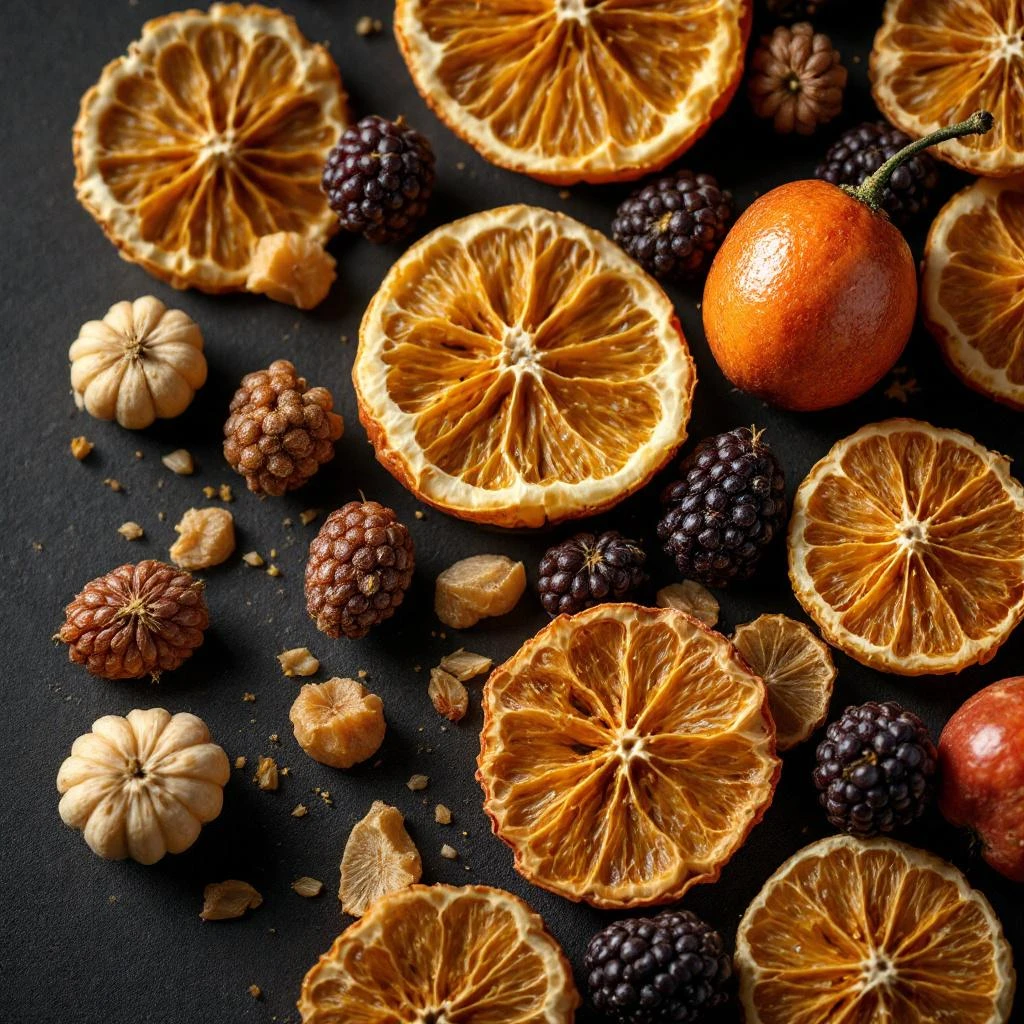
Sauce-Aroma Baijiu brings China's most labor-intensive spirit into perfumery. Distilled from sorghum through a year-long fermentation, its savory, fermented grain character adds an unexpected depth to modern fragrance compositions.
Character
How it smells
China's fermented grain spirit, bottled into scent
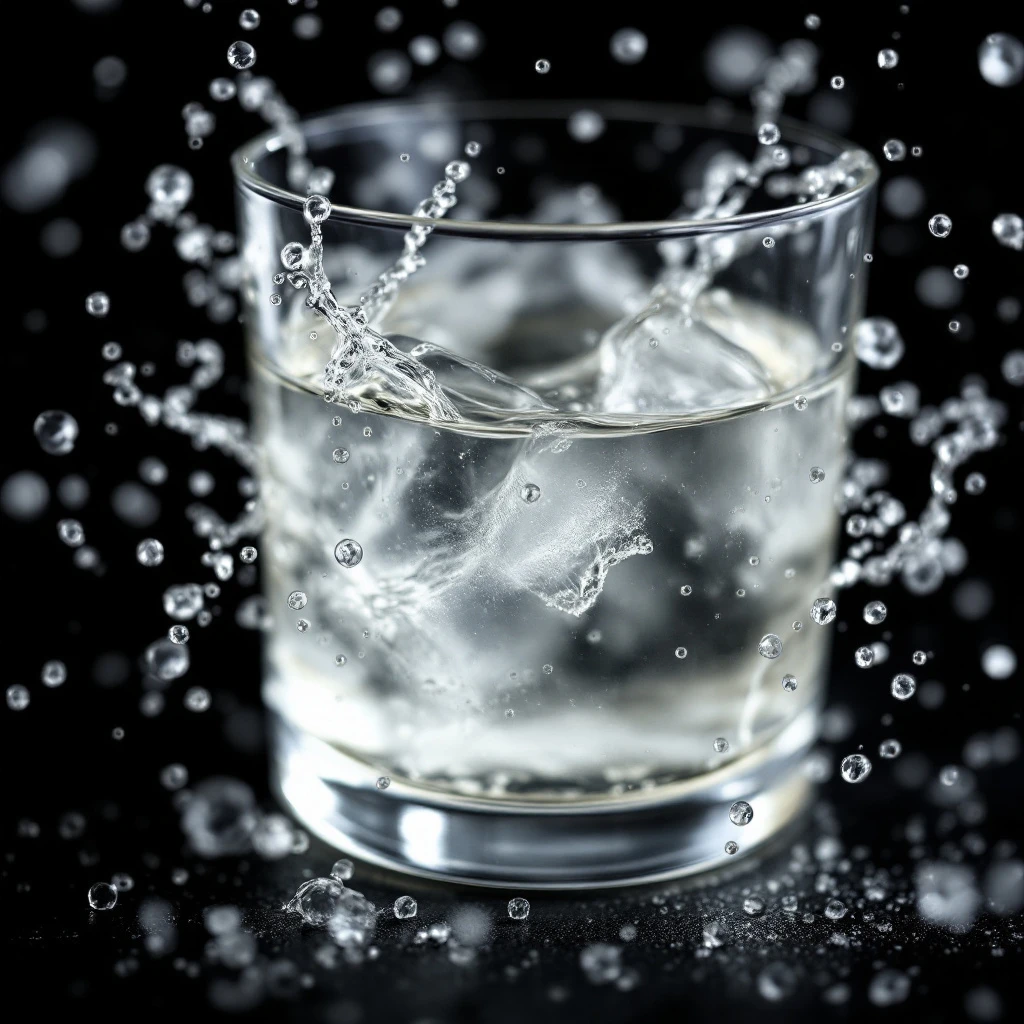
A single batch requires at least one full year to produce, with sorghum fermented multiple times in the same earthen vessels used across generations.
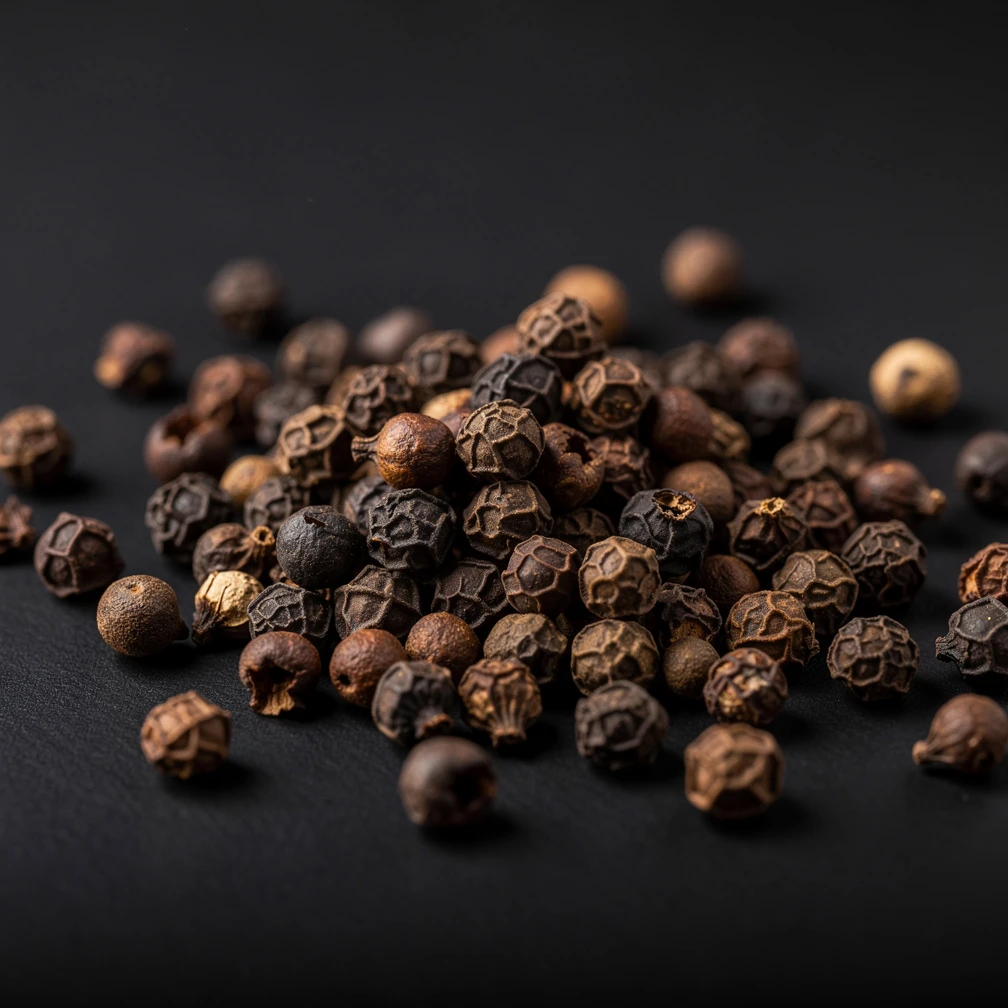
Origin
China
Baijiu traces back roughly 5,000 years in Chinese history, with archaeological evidence of distillation appearing in brick reliefs from the Eastern Han dynasty, between 25 and 220 AD. The beverage evolved alongside Chinese civilization itself, becoming embedded in ritual, commerce, and daily life. Within the baijiu family, sauce-aroma style holds the most prestigious position.
It originated in the Maotai region of Guizhou province, where local microclimate, red sorghum, and centuries-old fermentation pits shaped a flavor profile unlike any other spirit category. Maotai town, the spiritual home of this style, attracted global attention when Chinese officials raised toasts with sauce-aroma baijiu during state diplomacy. Perfumery's interest in fermented and savory notes grew as gourmand and molecular fragrance trends expanded the traditional floral-citrus-woods palette.
Extracting aroma from baijiu allows perfumers to reference China's cultural heritage in a single breath, layering fermented complexity into compositions that need warmth without sweetness.
Wears it best
Fragrances featuring Sauce-aroma Baijiu
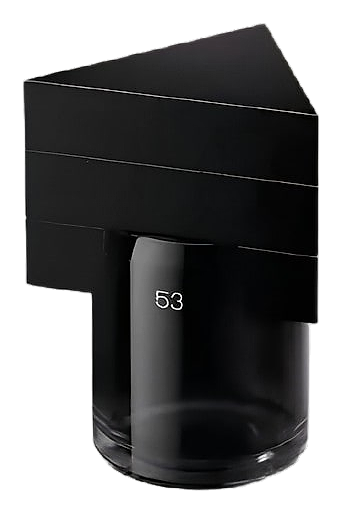
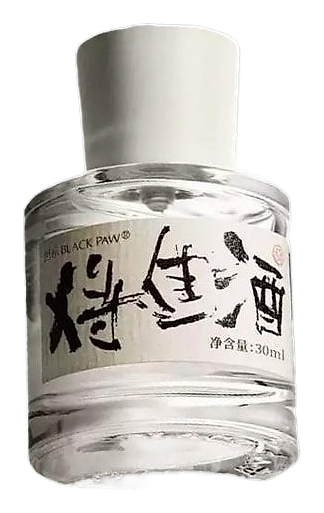
Brands
Brands known for Sauce-aroma Baijiu
Good to know
Questions, answered
The essentials on Sauce-aroma Baijiu in perfumery: how it smells, where it comes from, and how it behaves on skin.
What does Sauce-Aroma Baijiu smell like in perfume?
Expect savory fermented grain notes with soy-like umami, faint char, and a warm alcoholic warmth. Perfumery uses it to add gourmand depth and fermented complexity that conventional ingredients cannot replicate.
Is Sauce-Aroma Baijiu a natural fragrance ingredient?
Yes. It derives from fermented sorghum processed through traditional Chinese distillation methods, then redistilled or solvent-extracted for aromatic use. The base process has remained largely unchanged for centuries.
Where does Sauce-Aroma Baijiu come from?
It originates in Maotai town, Guizhou province in southwestern China. The region's red sorghum and microbial-rich fermentation pits define the style's character, protected as a geographic indication.
How long does it take to produce Sauce-Aroma Baijiu?
A full production cycle takes at least one year, with multiple rounds of high-temperature fermentation and distillation. This extended timeline contributes to its reputation as China's most labor-intensive baijiu category.
Why use baijiu in fragrance instead of other fermented ingredients?
Sauce-aroma baijiu offers a unique combination of savory grain, mild char, and fermented depth absent from wine, whisky, or sake. Its aroma profile bridges gourmand sweetness and umami, suiting experimental and oriental compositions.
What's the difference between Sauce-Aroma and Sesame-Aroma Baijiu?
Sauce-Aroma delivers strong soy-sauce-like savoriness from sorghum fermentation. Sesame-Aroma, developed by Jingzhi Distillery in the 1950s, produces a charred, nutty character using similar production techniques but a distinct grain bill.
Is baijiu the oldest distilled spirit in the world?
Distillation evidence in China dates to the Eastern Han dynasty, between 25 and 220 AD, making baijiu among the earliest documented distilled beverages globally. Some claims trace Chinese alcohol production back roughly 9,000 years.
Can Sauce-Aroma Baijiu notes smell alcoholic in fragrance?
Properly extracted, the boozy edge softens into warm fermented grain rather than sharp ethanol. Perfumers typically dose it low, blending it with woods, resins, or amber notes to maintain wearable balance.